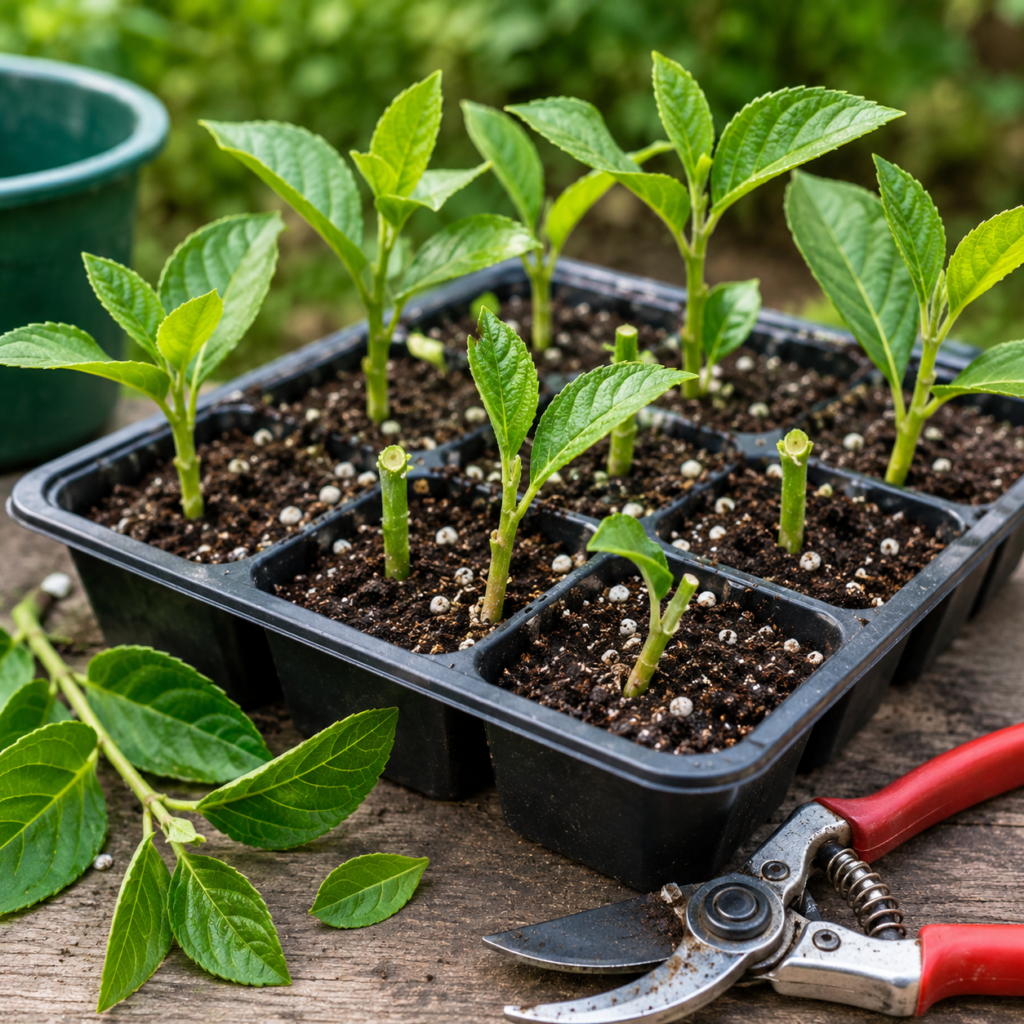
Easy Summer Softwood Cutting Guide for Everyone
Learning how to clone shrubs from cuttings is one of the easiest and most affordable ways to make more plants from the shrubs you already love. Instead of buying new plants every season, you can use simple softwood summer cuttings to grow new hydrangeas, weigela, butterfly bushes, Rose of Sharon, spirea, viburnum, and many other favorite flowering shrubs.
At Bobby & Lynn’s Plant Farm, we like plant propagation because it feels a little bit like garden magic. You take a small piece of a healthy shrub, give it the right conditions, and with patience, roots begin to form. No wizard hat required, though gardening gloves are highly recommended.
What Are Softwood Cuttings?
Softwood cuttings are young, flexible stems taken from new growth during late spring through summer. This growth is not too soft and floppy, but it is not hard and woody either. The best softwood cutting bends easily and snaps when bent sharply.
Softwood cuttings are popular because many flowering shrubs root faster from this type of growth. Summer is a great time to take shrub cuttings because plants are actively growing, and the stems have enough energy to produce roots.
Best Shrubs to Clone in Summer
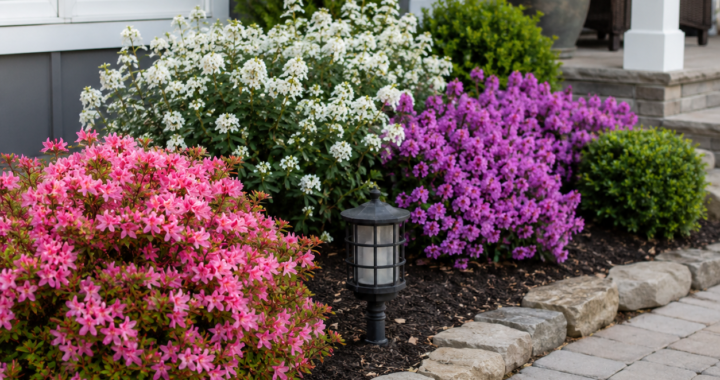
Many popular shrubs can be cloned using softwood cuttings. Some great choices include hydrangeas, butterfly bush, weigela, spirea, Rose of Sharon, forsythia, beautyberry, viburnum, elderberry, and some roses.
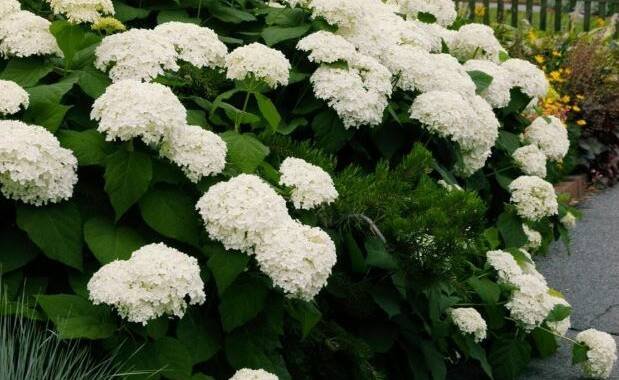
Hydrangeas are one of the most popular shrubs to clone from cuttings. Panicle hydrangeas, smooth hydrangeas, and bigleaf hydrangeas can often root successfully with proper moisture, shade, and patience.
Supplies You Will Need
Before taking softwood cuttings, gather your supplies. You will need clean pruners, small pots or trays, a well-draining rooting mix, water, clear plastic bags or a humidity dome, and optional rooting hormone.
A good rooting mix should hold moisture but drain well. You can use a mix of perlite and peat moss, coco coir and perlite, or a seed-starting mix with extra perlite added. Avoid heavy garden soil because it can stay too wet and may cause cuttings to rot.
Step 1: Choose a Healthy Shrub
Start with a healthy, disease-free shrub. Choose stems that are green, flexible, and growing well. Avoid stems with flowers or flower buds if possible because flowering uses energy that the cutting needs for root development.
Take cuttings early in the morning when the plant is hydrated. This gives your cuttings the best chance of staying fresh instead of wilting like lettuce in July.
Step 2: Take the Cutting
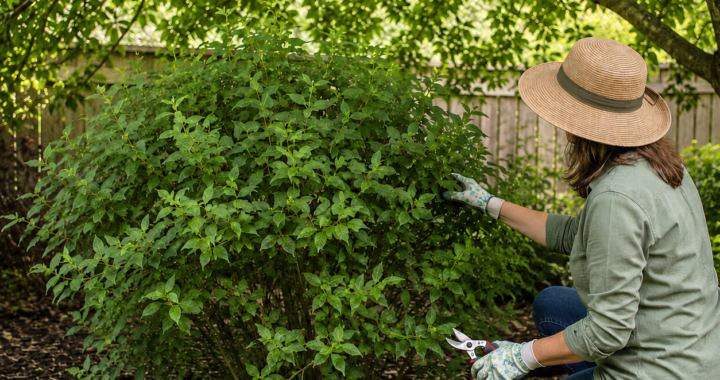
Use clean, sharp pruners to cut a stem about four to six inches long. Make the cut just below a leaf node, which is the spot where leaves grow from the stem. Leaf nodes are important because this is where new roots are most likely to form.
Place cuttings in a damp paper towel or cup of water while you work, especially on hot days. Do not let them dry out.
Step 3: Prepare the Cutting
Remove the lower leaves from the bottom half of the cutting. Leave two or three leaves at the top. If the leaves are large, such as hydrangea leaves, cut them in half to reduce moisture loss.
Dip the bottom inch of the cutting into rooting hormone if you are using it. Rooting hormone is optional, but it can improve success with some shrubs.
Step 4: Plant the Cutting
Make a small hole in the rooting mix with a pencil or your finger. Insert the cutting so at least one or two leaf nodes are below the soil surface. Gently firm the mix around the stem so it stands upright.
Water the cutting well and let excess water drain away. The mix should be moist, not swampy. Cuttings like moisture, but they do not want to live in a tiny mud pond.
Step 5: Add Humidity
Softwood cuttings need humidity while they root. Cover the pot with a clear plastic bag or place it under a humidity dome. Keep the plastic from touching the leaves by using small sticks or supports if needed.
Place the cuttings in bright, indirect light. Avoid direct hot sun, which can cook the cuttings inside the plastic cover.
Step 6: Wait for Roots
Most softwood shrub cuttings begin forming roots in two to six weeks, depending on the plant. Hydrangeas may root in just a few weeks, while some shrubs take longer.
Check moisture often. The rooting mix should stay lightly moist. After a few weeks, gently tug the cutting. If you feel resistance, roots may be forming.
Step 7: Pot Up New Plants
Once roots have formed, gradually remove the humidity cover over several days. This helps the new plant adjust to normal air. Then transplant the rooted cutting into a small pot with quality potting mix.
Keep the young plant in partial shade while it grows stronger. Do not rush it into full sun right away. Baby shrubs need a little time before facing the big bright world.
Final Tips for Better Results
To improve success when you clone shrubs from cuttings, take several cuttings at once. Not every cutting will root, and that is normal. Keep tools clean, avoid overwatering, and protect young cuttings from extreme heat.
By using simple softwood summer cuttings, you can grow more of your favorite shrubs, fill your landscape, share plants with friends, and save money. Best of all, every new plant comes with a little garden bragging rights.