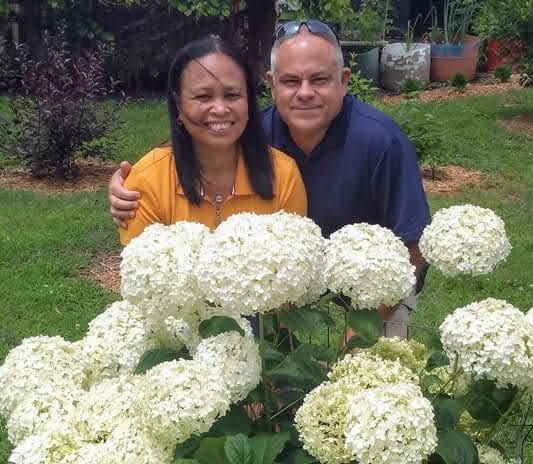
Bigleaf hydrangeas are some of the most loved hydrangeas in Southern yards, and it’s easy to see why. Their large green leaves, beautiful round blooms, and soft blue, pink, purple, or white flowers make them a favorite around porches, patios, foundations, and shaded garden beds.
Quick Answer: How Do You Grow Bigleaf Hydrangeas for More Blooms? Bigleaf hydrangeas usually bloom best with morning sun, afternoon shade, evenly moist but well-drained soil, and light feeding in spring. Many bigleaf hydrangeas bloom on old wood, so avoid heavy pruning in fall, winter, or early spring because you may remove the flower buds. Protect the plant from late freezes when possible, and avoid excessive nitrogen fertilizer, which can produce lots of leaves but fewer flowers.
Bigleaf hydrangeas are also known as Hydrangea macrophylla, mophead hydrangeas, lacecap hydrangeas, and sometimes French hydrangeas. They’re beautiful plants, but they can be a little picky if they’re planted in the wrong spot or pruned at the wrong time.
The good news is, once you understand what they like, bigleaf hydrangeas aren’t hard to grow.
What Are Bigleaf Hydrangeas?
Bigleaf hydrangeas are flowering shrubs known for their large leaves and colorful blooms. Most people recognize them by their big round flower heads, but some varieties have flatter lacecap-style blooms.
These hydrangeas usually bloom in late spring or summer, depending on the variety and your location. In Georgia and other Southern areas, they do best with morning sun and afternoon shade.
They don’t love baking in hot afternoon sun, especially when the heat index starts climbing. If your bigleaf hydrangea wilts during the day but perks back up in the evening, it may just be reacting to heat stress.
About Bobby & Lynn

Best Place to Plant
The best spot for bigleaf hydrangeas is a place that gets gentle morning sun and protection from the hot afternoon sun.
A good planting spot would be:
- Morning sun with afternoon shade
- Bright filtered light
- Moist but well-drained soil
- Protection from harsh wind
- Room for the plant to reach its mature size
Bigleaf hydrangeas can grow around 3 to 6 feet tall and wide, depending on the variety. Some stay smaller, while others get much larger over time.
Avoid planting them in dry, exposed areas where the soil gets hot and hard. These plants like steady moisture, but they don’t want to sit in soggy soil.

Best Soil
Bigleaf hydrangeas grow best in soil that stays evenly moist but still drains well. They do not like bone-dry soil, but sitting in soggy ground can damage the roots.
Here in Georgia, heavy clay can make that balance tricky. Clay holds moisture well, but it can also become compacted. When planting, loosen the soil wider than the root ball so new roots have room to spread.
Adding compost or organic matter can improve the soil, but avoid digging a narrow hole in hard clay and filling it only with soft amended soil. That can create a bowl that holds water around the roots.
A 2- to 3-inch layer of mulch also helps keep the soil cooler and more evenly moist. Keep the mulch pulled a few inches away from the main stems instead of piling it against the plant.
UGA Extension recommends moist, well-drained soil for bigleaf hydrangeas and suggests improving the planting area with organic matter to help manage moisture and drainage.
How Much Sun Do Bigleaf Hydrangeas Need?
Bigleaf hydrangeas need light to bloom, but too much hot sun can stress them out.
In cooler climates, they may handle more sun. But in Georgia and the South, they usually do best with:
Morning sun and afternoon shade
Too much shade can lead to fewer blooms, but too much sun can cause wilting, crispy leaves, and stressed plants.
If your hydrangea is getting full afternoon sun and struggling every summer, it may need more shade, better mulch, or deeper watering.
How to Water Bigleaf Hydrangeas
Bigleaf hydrangeas like consistent moisture. Their large leaves lose water quickly, especially during hot weather.
A deep watering a few times a week is usually better than a light sprinkle every day. You want the water to reach the root zone, not just wet the top of the soil.
During hot, dry weather, check the soil with your finger. If the top couple of inches are dry, it’s time to water.
A soaker hose or drip irrigation can help keep moisture steady without soaking the leaves.
Should You Mulch Bigleaf Hydrangeas?
Yes, mulch is one of the easiest ways to help bigleaf hydrangeas stay healthy.
Mulch helps:
- Hold moisture in the soil
- Keep roots cooler in summer
- Reduce weeds
- Protect the plant during winter
- Keep soil from drying out too quickly
Use pine bark, shredded hardwood mulch, pine straw, or composted mulch. Keep mulch a few inches away from the main stems so it doesn’t stay piled against the plant.
Why Bigleaf Hydrangea Blooms Turn Blue or Pink
One of the most interesting things about bigleaf hydrangeas is that some varieties can change bloom color based on soil conditions.
In more acidic soil, blooms may turn blue. In less acidic or more alkaline soil, blooms may turn pink. Purple often happens somewhere in between.
This color change has to do with how available aluminum is in the soil. Not every bigleaf hydrangea changes color strongly, and white varieties usually stay white.
If you want blue blooms, your soil usually needs to be more acidic. If you want pink blooms, the soil usually needs to be less acidic.
When to Prune Bigleaf Hydrangeas
This is where a lot of gardeners get into trouble.
Many bigleaf hydrangeas bloom on old wood, which means they form flower buds on stems from the previous year. If you prune them too hard in fall, winter, or early spring, you may cut off the flower buds.
The safest time to prune bigleaf hydrangeas is usually right after they finish blooming.
You can remove:
- Dead stems
- Weak or damaged growth
- Old blooms
- Crossing branches
- A few older stems to open up the plant
Try not to cut the whole plant back unless you know the variety can handle it.
Some newer bigleaf hydrangeas are reblooming types, which means they can bloom on old wood and new wood. Even then, light pruning is usually safer than heavy pruning.
Why Bigleaf Hydrangeas Don’t Bloom
If your bigleaf hydrangea looks healthy but doesn’t bloom, there are a few common reasons.
The most common causes are:
- Pruning at the wrong time
- Late spring frost damaging flower buds
- Too much shade
- Too much fertilizer
- Winter damage
- Deer eating the buds
- A variety that isn’t well suited for your area
In the South, late freezes can be a big problem. The plant may leaf out early, then a cold snap damages the flower buds before they open.
If deer are common in your yard, they can also nip off the buds before you ever see blooms.
Fertilizing Bigleaf Hydrangeas
Bigleaf hydrangeas don’t need heavy feeding. Too much fertilizer can give you lots of green leaves but fewer blooms.
A slow-release fertilizer in spring is usually enough for most plants.
Avoid fertilizing late in the season because it can encourage tender new growth before winter.
Common Bigleaf Hydrangea Problems
Bigleaf hydrangeas can run into several problems, especially in hot, humid weather. The most common issues are leaf spot, powdery mildew, heat wilt, poor drainage, brown leaf edges, frost-damaged buds, and deer damage.
Leaf spot often appears as brown, purple, or dark spots on the leaves, especially after rainy or humid weather. Remove badly affected leaves, clean up fallen leaves around the shrub, and water at the base instead of overhead.
Powdery mildew looks like a white or gray coating on the foliage. It is more common when plants are crowded and airflow is poor. Give hydrangeas enough room, remove heavily affected leaves, and avoid keeping the foliage wet.
Afternoon wilting does not always mean the plant needs water. Bigleaf hydrangeas can wilt temporarily during extreme heat and recover later in the evening. Check the soil before watering. If the soil is already wet, adding more water can make the problem worse.
Root stress and root rot can occur when soil stays waterlogged. A hydrangea that wilts even though the ground is wet may be struggling with poor drainage rather than drought.
Brown leaf edges are commonly caused by too much hot sun, dry soil, reflected heat, or inconsistent watering.
Good spacing, morning sun, mulch, well-drained soil, and watering at the base can prevent many of these problems. possible.
Can Bigleaf Hydrangeas Grow in Containers?
Yes, bigleaf hydrangeas can grow in containers, especially smaller varieties.
Use a large pot with drainage holes and a good-quality potting mix. Container hydrangeas dry out faster than plants in the ground, so they’ll need more attention during hot weather.
Place the pot where it gets morning sun and afternoon shade. During extreme heat, you may need to water daily.
Final Thoughts
Bigleaf hydrangeas are beautiful shrubs, but they do best when planted in the right place and pruned at the right time.
Give them morning sun, afternoon shade, steady moisture, and a good layer of mulch. Be careful with pruning, especially if you’re not sure whether your hydrangea blooms on old wood or new wood.
Once you understand what bigleaf hydrangeas need, they can reward you with some of the prettiest blooms in the yard.
At Bobby & Lynn’s Plant Farm, we’ve learned that hydrangeas don’t have to be complicated. You just have to pay attention to what the plant is telling you.
What We See With Bigleaf Hydrangeas in Georgia
Here in Georgia, the biggest problems we see with bigleaf hydrangeas usually come from too much afternoon sun, inconsistent moisture, or pruning at the wrong time.
We prefer morning sun with afternoon shade for bigleaf types. During hot weather, they may wilt badly in the afternoon even when the soil is still moist, so we check the root zone before adding more water.
We’re also careful about pruning. Many bigleaf hydrangeas are already forming the buds for next year’s flowers during late summer and fall, so cutting them back at the wrong time can mean plenty of leaves but very few blooms the following year.
Need More Hydrangea Help?
Still have questions about your hydrangea? Visit our Hydrangea Help page for practical guides on pruning, watering, fertilizing, blooming problems, brown leaves, drooping flowers, and more.
Whether you’re trying to identify your hydrangea or figure out why it isn’t blooming, we’ll help you find the right information without making things more complicated than they need to be.
Need more help with your hydrangeas? Visit our Hydrangea Help page for practical advice on pruning, watering, planting, and solving common hydrangea problems in Georgia.
Discover more from Bobby and Lynn’s Plant Farm
Subscribe to get the latest posts sent to your email.