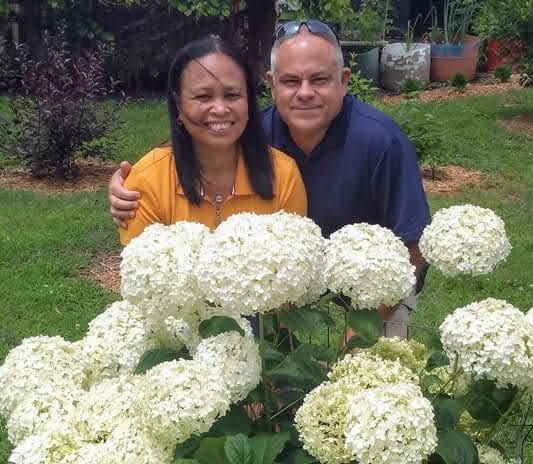
The best hydrangeas for pots are compact varieties that stay manageable, bloom well, and don’t outgrow their containers too quickly. You don’t need a big yard to enjoy hydrangeas on a porch, patio, balcony, or small garden space when you choose the right type and give it a roomy container.
The trick is picking hydrangeas that stay smaller, handle container life well, and don’t outgrow their space too fast. Some hydrangeas can get huge, but others are much better suited for pots and planters.
Quick Answer: What Are the Best Hydrangeas for Pots? Compact hydrangeas are usually the best choices for containers because they are easier to keep watered, easier to move, and less likely to outgrow the pot quickly. Good options include Bobo, Tiny Tuff Stuff, Invincibelle Wee White, Fire Light Tidbit, Cityline, Mini Penny, and other smaller bigleaf, mountain, panicle, or smooth hydrangeas. Use a large container with drainage holes, good-quality potting mix, regular deep watering, and protection from harsh afternoon sun in hot climates.
If you’re living in an apartment, townhouse, or just don’t have much room in the yard, here are some of the best hydrangeas to grow in containers.

About Bobby & Lynn

Can Hydrangeas Grow in Pots?
Yes, hydrangeas can grow very well in pots as long as they have enough room for their roots, regular watering, and the right amount of sunlight.
Container hydrangeas are a great option for:
Small yards
Apartments
Townhomes
Patios
Porches
Decks
Balconies
Rental homes
Gardeners who want moveable plants
Growing hydrangeas in pots also makes it easier to control soil, water, and placement. If your yard has poor soil or too much sun in one spot, a container lets you move the plant where it’ll be happier.
Best Types of Hydrangeas for Containers
Not every hydrangea is a good choice for a pot. Some get too large and need more space than a container can provide. The best container hydrangeas are usually compact varieties that stay smaller and bloom reliably.
1. Bigleaf Hydrangeas
Bigleaf hydrangeas, also called Hydrangea macrophylla, are one of the most popular choices for containers. These are the classic hydrangeas with large round blooms or lacecap flowers.
They work well in pots because many newer varieties stay more compact and have a full, pretty shape.
Bigleaf hydrangeas are great for:
Patios
Covered porches
Morning sun areas
Part shade spots
Decorative containers
Bigleaf hydrangeas usually prefer morning sun and afternoon shade, especially in hot Southern areas. If you live in Georgia or anywhere with very hot summers, don’t place them where they’ll get blasted by hot afternoon sun.
Good container choices include:
Endless Summer hydrangeas
Let’s Dance hydrangeas
Cityline hydrangeas
Tuff Stuff hydrangeas
Mini Penny hydrangeas
These are good choices because many stay smaller and can bloom well without needing a large garden bed.
2. Mountain Hydrangeas
Mountain hydrangeas are another excellent choice for containers. They’re similar to bigleaf hydrangeas, but they’re often tougher, a little more cold-hardy, and better able to handle weather changes.
They usually have lacecap-style blooms, which gives them a softer, more natural look.
Mountain hydrangeas are great for:
Small patios
Balcony gardens
Part shade containers
Gardeners who want something lower maintenance
They don’t usually get as large as some bigleaf hydrangeas, which makes them easier to manage in pots.
Good container choices include:
Tuff Stuff hydrangeas
Tiny Tuff Stuff hydrangea
Blue Billow hydrangea
Tiny Tuff Stuff is especially nice for small spaces because it stays compact and doesn’t take over the container.
3. Panicle Hydrangeas
Panicle hydrangeas are some of the easiest hydrangeas to grow, and certain smaller varieties can do very well in containers.
These are the hydrangeas with cone-shaped blooms. Many start white or lime green and then turn pink, blush, or rose as the season goes on.
Panicle hydrangeas can handle more sun than bigleaf hydrangeas, but in a pot, they still need regular water. Containers dry out much faster than the ground.
Good container choices include:
Bobo hydrangea
Little Lime hydrangea
Little Lime Punch hydrangea
Fire Light Tidbit hydrangea
Little Hottie hydrangea
Bobo is one of the best choices for containers because it stays smaller, blooms heavily, and has a nice rounded shape.
Little Lime is another favorite, but it does need a larger pot because it can get bigger than Bobo.
4. Smooth Hydrangeas
Smooth hydrangeas can also grow in containers, especially the smaller varieties. These are the hydrangeas that include the well-known Annabelle type.
Some smooth hydrangeas can get floppy after heavy rain, so choosing a stronger-stemmed or compact variety is helpful when growing in pots.
Good container choices include:
Invincibelle Wee White hydrangea
Invincibelle Mini Mauvette hydrangea
Incrediball hydrangea
Annabelle hydrangea
For smaller containers, Invincibelle Wee White is a better choice than larger varieties because it stays more compact.
Smooth hydrangeas usually like morning sun and afternoon shade in hot climates. They can handle some sun, but in a container, they’ll need more attention during summer heat.
Best Hydrangeas for Small Containers
If you’re working with a balcony, small porch, or limited patio space, look for hydrangeas that stay under about 3 feet tall.
Some of the best small container hydrangeas include:
Bobo hydrangea
Invincibelle Wee White hydrangea
Fire Light Tidbit hydrangea
Cityline hydrangeas
Mini Penny hydrangea
These are easier to manage and won’t outgrow the pot as quickly.
Best Hydrangeas for Larger Patio Pots
If you have room for a larger container, you can grow slightly bigger hydrangeas. These are great for making a statement by a doorway, patio, or porch.
Good larger container hydrangeas include:
Little Lime hydrangea
Little Lime Punch hydrangea
Endless Summer hydrangea
Let’s Dance hydrangeas
Incrediball hydrangea
Use a large, sturdy pot so the plant has enough space and doesn’t tip over when it’s full of blooms.
What Size Pot Do Hydrangeas Need?
Hydrangeas need a pot that’s large enough to hold moisture and give the roots room to grow.
A good starting size is usually at least 18 to 24 inches wide. Smaller hydrangeas may do fine in an 18-inch pot, but larger varieties will need more space.
The pot must have drainage holes. This is not optional. Hydrangeas like moisture, but they don’t want to sit in soggy soil. Wet roots can lead to root rot and a struggling plant.
A good container should be:
Large enough for the mature plant
Heavy enough not to tip over
Deep enough for root growth
Made with drainage holes
Easy to water thoroughly
Avoid tiny decorative pots unless you’re using them only as a temporary display.
For more guidance on growing hydrangeas, see the University of Georgia Cooperative Extension’s guide to growing bigleaf hydrangeas, including advice on soil, watering, sunlight, and fertilizing.
Best Soil for Container Hydrangeas
Use a good-quality potting mix, not heavy garden soil. Garden soil can become compacted in containers and make it harder for the roots to breathe.
A good potting mix should hold moisture but still drain well.
You can also add compost to improve the soil, but don’t make the mix too heavy. Hydrangeas like rich soil, but they still need airflow around the roots.
How Much Sun Do Potted Hydrangeas Need?
This depends on the type of hydrangea.
Bigleaf hydrangeas and mountain hydrangeas usually do best with morning sun and afternoon shade.
Panicle hydrangeas can handle more sun, but in containers, they still appreciate some afternoon protection in hot climates.
Smooth hydrangeas usually do well with morning sun and some afternoon shade, especially in the South.
If your hydrangea is wilting every afternoon, the pot may be getting too hot or drying out too quickly. Move it to a spot with less afternoon sun and check the soil moisture more often.
How Often Should You Water Hydrangeas in Pots?
Container hydrangeas need regular watering because pots dry out faster than garden beds.
During mild weather, you may only need to water a few times a week. During hot summer weather, some containers may need to be checked daily, especially in direct sun or on heat-reflecting surfaces. Water only when the potting mix is beginning to dry rather than automatically watering every day.
Before watering, stick your finger into the soil. If the top inch or two feels dry, it’s time to water.
Water deeply until water runs out of the bottom of the pot. A quick splash on top won’t do much for the roots.
For broader watering advice and signs of overwatering or underwatering, read how to water different types of plants the right way.
Fertilizing Hydrangeas in Containers
Potted hydrangeas can benefit from fertilizer because nutrients wash out of containers over time.
Use a slow-release fertilizer in spring, or feed lightly during the growing season with a balanced fertilizer.
Don’t overdo it. Too much fertilizer can lead to lots of leaves and fewer blooms.
A simple rule is this: feed enough to support the plant, but don’t try to force it.
Can You Keep Hydrangeas in Pots Year-Round?
Yes, but they’ll need a little extra care during winter.
In colder areas, the roots of potted plants are more exposed than plants growing in the ground. You may need to move the container to a protected spot, such as near a wall, under a covered porch, or inside an unheated garage during extreme cold.
In warmer climates, most container hydrangeas can stay outside year-round, but you still want to protect them from harsh winter winds and sudden freezes.
For more seasonal guidance, see how to grow hydrangeas in Georgia.
Common Problems With Potted Hydrangeas
The most common problems with container hydrangeas are usually related to water, sun, or pot size.
Wilting Leaves
Wilting often means the plant is too dry, too hot, or getting too much afternoon sun. Check the soil before assuming the plant is dying.
Yellow Leaves
Yellow leaves can happen from overwatering, poor drainage, or lack of nutrients.
No Blooms
No blooms can happen from pruning at the wrong time, winter damage, too much fertilizer, or not enough light.
Use our guide to why hydrangeas are not blooming to check pruning, sunlight, winter damage, and fertilizer.
Crispy Brown Leaves
Crispy leaves usually mean too much hot sun, dry soil, or stress from heat.
Best Tips for Growing Hydrangeas in Containers
Choose a compact variety
Use a large pot with drainage holes
Water deeply and regularly
Avoid hot afternoon sun when possible
Use good-quality potting mix
Fertilize lightly in spring
Protect the pot during extreme winter weather
Move the container if the plant looks stressed
The nice thing about growing hydrangeas in pots is that you can adjust as you go. If the plant isn’t happy in one spot, move it. If the pot dries out too fast, size up. Container gardening gives you options.
What We Have Learned Growing Hydrangeas in Containers
At Bobby & Lynn’s Plant Farm, we have found that container size and afternoon heat make the biggest difference with potted hydrangeas.
Small pots dry out quickly, especially when they sit on concrete, decks, or patios that reflect heat. Dark-colored containers can also warm the root zone faster than gardeners expect.
We have also seen that a hydrangea may wilt even when the potting mix is still moist. Before watering again, check several inches into the mix and make sure the drainage holes are open.
Compact varieties are usually easier to manage long term, but even dwarf hydrangeas may eventually need a larger container as their roots fill the pot.
Final Thoughts
You don’t need a big yard to enjoy hydrangeas. With the right variety and a good container, you can grow beautiful hydrangeas on a porch, patio, deck, or even an apartment balcony.
For small spaces, start with compact varieties like Bobo, Tiny Tuff Stuff, Invincibelle Wee White, or Fire Light Tidbit. If you have room for a larger patio pot, Little Lime, Endless Summer, and Let’s Dance hydrangeas can make a beautiful statement.
The key is simple: choose the right hydrangea, give it a roomy pot, keep it watered, and protect it from the hottest afternoon sun.
Hydrangeas don’t have to be limited to big landscapes. Sometimes a pretty pot on the porch is all you need.
Need More Hydrangea Help?
Still have questions about your hydrangea? Visit our Hydrangea Help page for practical guides on pruning, watering, fertilizing, blooming problems, brown leaves, drooping flowers, and more.
Whether you’re trying to identify your hydrangea or figure out why it isn’t blooming, we’ll help you find the right information without making things more complicated than they need to be.
Visit the Hydrangea Help page →
Discover more from Bobby and Lynn’s Plant Farm
Subscribe to get the latest posts sent to your email.