Plant. Learn. Grow.
Hydrangea Help Starts Here
Whether you are trying to get more blooms, figure out brown leaves, learn when to prune, or simply keep a new hydrangea healthy, this page brings our best hydrangea help together in one place.
Start by identifying the type of hydrangea you have. Then look at sunlight, soil moisture, pruning history, and recent weather. Those four things explain a surprising number of hydrangea problems.

Start with the season
What Should You Do With Your Hydrangeas This Month?
Hydrangea care changes through the year. Our month by month guide covers pruning, watering, fertilizer, frost protection, summer stress, fall care, and winter dormancy.
Diagnose a Hydrangea Problem
Start with the symptom you can actually see. Leaf color, spotting, missing flowers, wilting, and new growth patterns can help narrow down what is going on.
Brown Leaves
Crispy edges, brown patches, and dry leaves can point to heat, dry soil, sun scorch, excess water, or other stress.
See the brown leaf guideYellow Leaves
Yellow foliage can have several causes. Use the pattern on the plant and the condition of the soil to help sort them out.
See the yellow leaf guideHydrangea Not Blooming?
Wrong pruning time, freeze damage, too much shade, excess nitrogen, or plant type may be keeping flowers away.
Find the likely causeHydrangea Leaf Problems
Learn what common leaf spots and other leaf problems look like, what can contribute to them, and what you can do next.
See leaf problem helpCare for the Hydrangea You Actually Grow
Hydrangeas are not all cared for the same way. Bloom wood, sunlight needs, pruning time, and heat tolerance can change from one type to another.
Bigleaf Hydrangea Care
Get practical help with sunlight, watering, pruning, winter damage, and protecting flower buds that may already be sitting on older stems.
Read the bigleaf guidePanicle Hydrangea Care
Panicle hydrangeas are some of our favorites. Learn how sunlight, pruning, water, and strong new growth work together to produce summer blooms.
Read the panicle guideGrowing Hydrangeas in Georgia
Our Georgia guide covers sun, heat, water, soil, planting, and pruning while also explaining why gardeners in cooler regions may need to adjust the timing.
See our Georgia growing guidePruning, Watering & Seasonal Care
These are the jobs that cause the most confusion. The right timing matters, but the type of hydrangea and the condition of the plant matter just as much.
12 Months of Hydrangea Care
Use the calendar as a guide for pruning, new growth, fertilizer, summer heat, fall slowdown, and winter rest.
See the month by month guideHow to Prune Every Hydrangea Type
Before you make the first cut, learn which hydrangeas bloom on old wood, which bloom on new wood, and why that changes pruning time.
Open the pruning guideWater Plants the Right Way
Our broader watering guide explains how plant type, weather, soil, containers, and establishment change how often a plant really needs water.
Read the watering guideQuick Guides, Charts & Plant Help
Sometimes you do not need another long article. These tools are made for getting to the answer faster when you are standing in the yard looking at the plant.
Hydrangea Guides & Charts
Browse mobile friendly visual guides for identification, pruning, watering, spacing, bloom timing, color changes, frost damage, and leaf problems.
Browse the free guidesGarden Help App
Use our free plant help app for pruning, watering, sunlight, spacing, comparisons, seasonal care, and other quick garden decisions.
Open the Garden Help App25 Common Hydrangea Problems
Use our question and answer guide when you need quick help with blooms, wilting, leaf trouble, pruning mistakes, flower color, water, and more.
See common hydrangea problemsHow we troubleshoot
Before We Blame the Plant, We Check the Basics
A hydrangea can look unhappy for several different reasons. We try to narrow things down in a simple order instead of guessing and throwing fertilizer at it.
For additional research, we also use trusted horticulture sources such as the University of Georgia Cooperative Extension hydrangea pruning guide .
Knowing whether it blooms on old wood, new wood, or both changes the pruning and bloom discussion right away.
Too much afternoon sun, dry soil, soggy soil, or a newly planted root ball can all create stress that looks similar at first glance.
A late freeze or pruning at the wrong time can remove flower buds even when the plant later fills out with healthy green leaves.
From our plant farm
Real Plants. Real People. Real Passion.
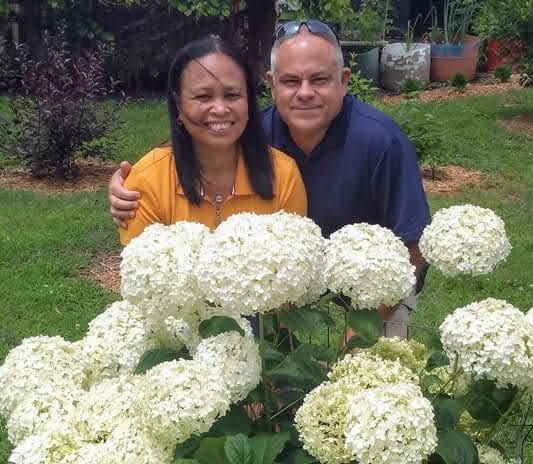
We are Bobby and Lynn, and we grow hydrangeas and other flowering shrubs at our seasonal plant farm in Dallas, Georgia. The advice on this site is built around what we grow, what we see, what works for us, and the lessons the plants teach us along the way.
Our summers are hot, our spring weather can change in a hurry, and Georgia clay keeps us humble. Gardeners in other regions may need different timing, so we try to explain the reason behind the advice instead of pretending one schedule fits every yard.