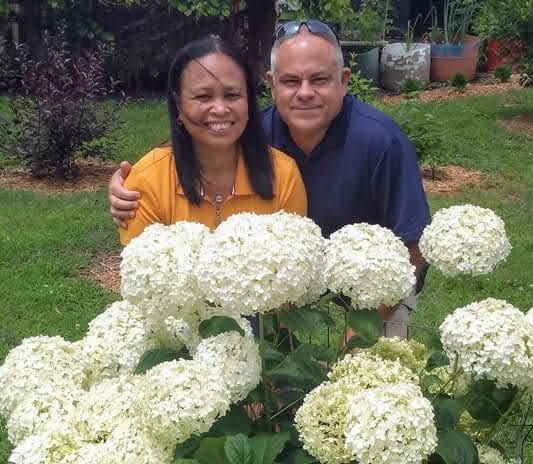
Learning how to prune hydrangeas can feel confusing because not every type is pruned the same way. Some hydrangeas bloom on old wood, while others bloom on new growth, and knowing the difference can keep you from accidentally cutting off next year’s flowers.
Quick Answer: Bigleaf, mountain, oakleaf, and climbing hydrangeas generally bloom on old wood and should be pruned lightly after flowering. Panicle and smooth hydrangeas bloom on new wood and can be pruned in late winter or early spring before new growth begins.
UGA Extension recommends identifying the hydrangea type before pruning because each group has a different schedule. Read Identify Hydrangeas to Know When to Prune for Georgia-specific guidance.
Some hydrangeas bloom on old wood, which means they form their flower buds on last year’s stems. Others bloom on new wood, which means they make their blooms on the fresh growth that comes out in spring.
If you’re looking for more hydrangea help, visit our Hydrangea Hub for pruning tips, watering advice, bloom guides, and answers to common hydrangea questions.
Let’s walk through the main types of hydrangeas and how to prune each one.
Before You Make Another Cut
Pruning Trouble? Start With the Hydrangea Type
Pruning at the wrong time can remove next year’s flowers, especially on hydrangeas that bloom on old wood. If you are not sure what type you have, or your hydrangea stopped blooming after pruning, our Hydrangea Help Center can help you work through the clues before you cut anything else.
About Bobby & Lynn

Which Hydrangeas Bloom on Old Wood vs. New Wood?
Hydrangeas can bloom on old wood, new wood, or both, depending on the type. Old wood hydrangeas form their flower buds on stems that grew the previous season, while new wood hydrangeas produce blooms on fresh growth from the current year. Knowing which type you have is important because pruning at the wrong time can remove next season’s flower buds.


Before you grab the pruners, try to identify your hydrangea. The most common types are:
- Bigleaf Hydrangeas
- Mountain Hydrangeas
- Oakleaf Hydrangeas
- Panicle Hydrangeas
- Smooth Hydrangeas
- Climbing Hydrangeas
The most important pruning rule is this:
Hydrangeas that bloom on old wood should be pruned lightly after they bloom. Hydrangeas that bloom on new wood can be pruned in late winter or early spring.
Once you know that, pruning gets a whole lot easier.
Not sure when to prune? See our guide which hydrangeas bloom on old wood vs. new wood for the safest pruning timing.
Bigleaf Hydrangeas
Bigleaf hydrangeas are the classic hydrangeas many people think of first. These are the big mophead or lacecap hydrangeas with blue, pink, purple, or sometimes white blooms.
These hydrangeas usually bloom on old wood, though some newer reblooming varieties can bloom on both old and new wood.
When to Prune Bigleaf Hydrangeas
The best time to prune bigleaf hydrangeas is right after they finish blooming in summer.
Avoid heavy pruning in fall, winter, or early spring because you could remove next year’s flower buds.
How to Prune Bigleaf Hydrangeas
Start by removing any dead, damaged, or weak stems. Then lightly shape the plant if needed.
You don’t need to cut bigleaf hydrangeas way back unless the plant has dead wood or is badly overgrown. Most of the time, they only need a cleanup.
If you’re not sure whether a stem is alive, scratch it gently with your fingernail. If you see green underneath, leave it alone. If it’s dry and brown all the way through, it can be removed.
Mountain Hydrangeas
Mountain hydrangeas are similar to bigleaf hydrangeas but are often a little more cold-hardy and delicate-looking. They usually have lacecap-style blooms and do well in part sun.
Like bigleaf hydrangeas, mountain hydrangeas usually bloom on old wood.
When to Prune Mountain Hydrangeas
Prune mountain hydrangeas after they bloom.
Do not cut them back hard in late winter or early spring unless you’re only removing dead wood.
How to Prune Mountain Hydrangeas
Use a light hand. Remove dead stems, spent blooms, and any weak or crossing branches.
Mountain hydrangeas don’t need much pruning to look good. A little shaping is usually enough.
Oakleaf Hydrangeas
Oakleaf hydrangeas are beautiful shrubs with large oak-shaped leaves, white cone-shaped blooms, peeling bark, and great fall color. They’re a wonderful choice for Southern yards.
Oakleaf hydrangeas bloom on old wood.
When to Prune Oakleaf Hydrangeas
Prune oakleaf hydrangeas right after flowering, usually in summer.
Avoid cutting them back in fall, winter, or early spring because you may remove next year’s blooms.
How to Prune Oakleaf Hydrangeas
Oakleaf hydrangeas often look best when allowed to grow naturally. They don’t need much pruning.
Remove dead, broken, or crowded branches. You can also trim the plant lightly to control its shape, but don’t cut it down to the ground unless you’re dealing with severe damage.
A mature oakleaf hydrangea has a beautiful natural shape, so don’t overwork it.
Panicle Hydrangeas
Panicle hydrangeas are some of the easiest hydrangeas to prune. These include popular varieties like Limelight, Little Lime, Quick Fire, Phantom, Pink Diamond, and many others.
Panicle hydrangeas bloom on new wood, which means they make their flower buds on the new growth that comes out in spring.
When to Prune Panicle Hydrangeas
The best time to prune panicle hydrangeas is late winter or early spring, before new growth begins.
How to Prune Panicle Hydrangeas
You can prune panicle hydrangeas harder than old-wood hydrangeas.
Start by removing dead, damaged, or weak stems. Then shape the plant by cutting stems back to a healthy set of buds.
Many gardeners reduce panicle hydrangeas by about one-third to encourage sturdy new growth and maintain a balanced shape, but severe pruning is not required for reliable blooming.
If you want a taller plant, prune lightly. If you want a fuller, more compact plant, prune a little harder.
Panicle hydrangeas are forgiving, which makes them a great choice for beginners.
Smooth Hydrangeas
Smooth hydrangeas include popular varieties like Annabelle, Incrediball, and Invincibelle Spirit. These hydrangeas are known for their large round blooms.
Smooth hydrangeas bloom on new wood.
When to Prune Smooth Hydrangeas
Prune smooth hydrangeas in late winter or early spring before new growth starts.
How to Prune Smooth Hydrangeas
Smooth hydrangeas can be cut back more than many other types.
Some gardeners cut them back to about 12 to 18 inches from the ground each year. This encourages fresh growth and strong blooming.
However, if your smooth hydrangea tends to flop, you may want to leave a little more height on the stems for support.
Remove dead or weak stems, then shape the plant as needed.
Climbing Hydrangeas
Climbing hydrangeas are different from the shrub types. They grow as vines and can climb walls, fences, trees, or arbors.
Climbing hydrangeas bloom on old wood.
When to Prune Climbing Hydrangeas
Prune climbing hydrangeas after they bloom.
How to Prune Climbing Hydrangeas
Climbing hydrangeas usually don’t need much pruning at all.
Remove dead or damaged growth and trim any branches that are growing where you don’t want them. You can also prune lightly to keep the plant within bounds.
Avoid heavy pruning unless necessary because it can reduce blooms.
What About Reblooming Hydrangeas?
Some hydrangeas, especially newer bigleaf types, are called reblooming hydrangeas. These can bloom on both old wood and new wood.
That sounds easy, but you still need to be careful.
Even though they can bloom on new growth, you’ll usually get the best flower show if you protect the old wood too.
For reblooming hydrangeas, remove dead wood in spring and lightly shape the plant after its first flush of blooms. Avoid cutting the whole plant back unless it’s necessary.
Should You Deadhead Hydrangeas?
Deadheading means removing spent blooms. This is different from heavy pruning.
For exact timing and cutting instructions, read when and how to deadhead hydrangeas before making your cuts.
You can deadhead hydrangeas to make the plant look cleaner. For most types, simply cut the old bloom off just above a healthy set of leaves.
For old-wood hydrangeas, be careful not to cut too far down the stem late in the season. Those stems may already be holding next year’s flower buds.
Many gardeners also leave dried hydrangea blooms on the plant through winter because they add interest to the garden.
Hydrangea Pruning by Type
| Hydrangea Type | Blooms On | Best Time to Prune | How Much to Prune |
|---|---|---|---|
| Bigleaf Hydrangea | Old wood, sometimes both | After blooming | Light pruning only |
| Mountain Hydrangea | Old wood | After blooming | Light pruning only |
| Oakleaf Hydrangea | Old wood | After blooming | Light shaping |
| Panicle Hydrangea | New wood | Late winter or early spring | Light to moderate pruning |
| Smooth Hydrangea | New wood | Late winter or early spring | Moderate to hard pruning |
| Climbing Hydrangea | Old wood | After blooming | Light pruning only |
Common Hydrangea Pruning Mistakes
One of the biggest mistakes is cutting every hydrangea back the same way. That’s how blooms get lost.
Another mistake is pruning old-wood hydrangeas in fall. It may feel like a good time to clean up the yard, but that’s often when next year’s flower buds are already on the stems.
It’s also easy to prune too much. Hydrangeas don’t always need a major haircut. Sometimes all they need is a little cleanup and patience.
For more helpful hydrangea tips, pruning advice, care guides, and answers to common hydrangea questions, be sure to visit our Hydrangea Hub. It’s packed with useful information to help you grow healthier, happier hydrangeas in your yard.
When pruning has already reduced flowering, use our guide to why hydrangeas are not blooming to check for other possible causes.
If you’re still seeing healthy leaves but no flowers, our guide to why hydrangeas are not blooming walks through pruning, cold damage, shade, fertilizer, and other common causes.
What We Have Learned Pruning Hydrangeas at Our Plant Farm
At Bobby & Lynn’s Plant Farm, the biggest pruning mistake we see is treating every hydrangea the same.
Panicle and smooth hydrangeas are usually much more forgiving because they bloom on new growth. Bigleaf, mountain, oakleaf, and climbing hydrangeas need a lighter hand because their flower buds may already be present on older stems.
When we are unsure whether a stem is dead, we wait until new growth begins and use the scratch test before removing it. It is much easier to cut more later than to replace flower buds that were removed too early.
Final Thoughts
Pruning hydrangeas doesn’t have to be scary. The key is knowing what type you have and whether it blooms on old wood or new wood.
If your hydrangea blooms on old wood, prune it lightly after it flowers. If it blooms on new wood, prune it in late winter or early spring.
When in doubt, don’t cut too much. Start with dead or damaged wood, step back, and take your time. A little careful pruning can help your hydrangeas stay healthy, full, and loaded with beautiful blooms year after year.
Hydrangeas are tough plants, but they’ll reward you when you work with their natural growing habits instead of fighting against them.
Helpful Tools for Pruning Hydrangeas
Having the right tools makes pruning hydrangeas a whole lot easier. A good pair of bypass pruners works well for trimming smaller stems, deadheading old blooms, and making clean cuts just above healthy buds or nodes.
For thicker, older, or woody stems, a pair of loppers can give you more reach and cutting power without having to fight the plant. Clean cuts are better for the shrub and make the whole job less frustrating.
Clean, sharp bypass pruners make smaller cuts easier, while loppers are better for thicker woody stems. See our recommended garden tools for the tools we use.
If you’re getting ready to prune your hydrangeas, here are a couple of helpful tools to consider:
Affiliate disclosure: As an Amazon Associate, Bobby & Lynn’s Plant Farm earns from qualifying purchases. This means we may receive a small commission if you buy through one of our links, at no extra cost to you. We only recommend tools and products we believe may be useful for gardeners.
Need More Hydrangea Help?
Whether you’re trying to identify your hydrangea or figure out why it isn’t blooming, we’ll help you find the right information without making things more complicated than they need to be.Need more help with your hydrangeas? Visit our Hydrangea Help page for practical advice on pruning, watering, planting, and solving common hydrangea problems in Georgia.