Hydrangea Troubleshooting
Find Out What’s Wrong With Your Hydrangea
Common hydrangea problems can look confusing at first. Yellow leaves, missing blooms, brown spots, wilting, winter dieback, and flopping flowers can all have different causes. Use this page to start with the symptom you can actually see, narrow down the likely cause, and decide what to do next.

Most common hydrangea problems can be traced to water, sunlight, drainage, pruning, weather damage, plant type, or establishment stress. Start by checking the soil moisture, how much direct sun the plant receives, whether it was recently planted or pruned, and whether a freeze or stretch of extreme heat happened before the problem appeared.
Before You Treat Anything, Check These Four Things
A little detective work can keep you from fixing the wrong problem. We like to start simple before making major changes.
Bigleaf, panicle, smooth, oakleaf, and mountain hydrangeas can have different pruning, sun, and bloom needs.
Feel the soil several inches down. Dry soil and soggy soil can both cause a hydrangea to look stressed.
Afternoon heat, drought, heavy rain, sudden freezes, and too little light can all change how a hydrangea looks.
If a plant has lots of healthy leaves but few flowers, the timing of the last pruning is one of the first things we check.
Bloom & Pruning Problems
Missing flowers and pruning mistakes are some of the most frustrating hydrangea problems because the shrub can look completely healthy otherwise.
Why Isn’t My Hydrangea Blooming?
Wrong pruning time, cold damaged buds, too much shade, excess nitrogen, plant age, and root stress are all common reasons for missing flowers.
Should I Cut Brown Hydrangea Flowers Off?
You can usually remove faded blooms without harming the plant. Deadheading is mostly about appearance and is not required for the shrub to stay healthy.
When Should I Prune My Hydrangea?
The answer depends on whether the plant flowers on old wood, new wood, or both. That one detail can make the difference between a good bloom year and a green shrub with no flowers.
Why Are My Hydrangea Flowers Flopping Over?
Large flowers can become surprisingly heavy after rain. Young stems, excess nitrogen, shade, and varieties with huge flower heads may be especially prone to flopping.
Should I Cut Off Flowers After Heavy Rain?
Usually not. Heavy rain can bend hydrangea stems without actually breaking them.
Should I Fertilize a Hydrangea That Isn’t Blooming?
Not automatically. Extra fertilizer cannot replace flower buds that were removed by pruning or damaged by cold.
Why Did My White Hydrangea Turn Green?
A white hydrangea turning green can be completely normal. Flower age, variety, weather, and changing temperatures can all affect late season color.
Why Didn’t My Panicle Hydrangea Turn Pink?
Panicle flowers often age from white into pink or reddish shades, but hot nights and long stretches of summer heat can delay or weaken that color change.
Can I Change a Hydrangea From Pink to Blue?
Only certain bigleaf and mountain hydrangeas can change color in response to soil chemistry. White panicle flowers cannot be turned blue by changing the soil pH.
Leaf & Disease Problems
Leaf color and spotting give you clues, but similar symptoms can come from completely different causes.
Why Are My Hydrangea Leaves Turning Yellow?
Yellow foliage may come from too much water, poor drainage, drought, nutrient stress, damaged roots, transplant shock, or normal aging of older leaves.
Why Are My Hydrangea Leaves Getting Brown Spots?
Brown, purple, or dark spots can be associated with leaf spot diseases, particularly during warm and humid weather.
Why Are the Leaf Edges Turning Brown?
Crispy edges often point to heat, dry soil, strong afternoon sun, wind, root stress, excess fertilizer, or reflected heat from pavement and walls.
Should I Cut My Hydrangea Down Because of Leaf Spot?
Usually not. Ordinary leaf spot may look ugly without requiring the entire shrub to be cut to the ground.
Water, Wilting & Sun Problems
Hydrangeas love moisture, but that does not mean they should stay soggy. Heat can also make a perfectly watered plant wilt temporarily during the afternoon.
How Often Should I Water a Hydrangea?
There is no single schedule that fits every yard. Weather, soil, plant size, sunlight, and how recently the shrub was planted all affect how quickly the soil dries.
Why Does My Hydrangea Wilt in the Afternoon?
Large hydrangea leaves can lose water faster than the roots can replace it during very hot weather. Temporary heat wilt does not always mean the soil is dry.
Can Hydrangeas Take Full Sun?
Some can handle considerably more sun than others. Panicle hydrangeas generally tolerate stronger sunlight better than many bigleaf types.
Can Hydrangeas Grow in Shade?
Yes, but deep shade and afternoon shade are not the same thing. Many hydrangeas do well with morning sun and afternoon protection.
Planting & Growth Problems
New roots need time. A newly planted, moved, clearance, or slower growing hydrangea may need patience more than another product.
Can I Move an Established Hydrangea?
Yes. Cooler weather is generally easier on a large hydrangea than moving it during midsummer heat.
My Newly Planted Hydrangea Is Wilting. Is It Dying?
Not necessarily. Transplant shock is common because the new root system may not yet be able to keep up with the water being lost through the leaves.
Can I Root Hydrangea Cuttings?
Yes. Hydrangeas can often be propagated successfully from healthy softwood growth during the growing season.
Should I Remove Blooms Before Planting?
Usually you can leave the flowers in place. A heavily blooming plant under obvious stress may occasionally benefit from having some flowers removed.
What Should I Do With a Clearance Hydrangea With Dead Flowers?
Do not judge the whole shrub by a few ugly blooms. Check the stems, leaves, root system, and overall condition.
Why Is One Hydrangea Growing Faster Than Another?
Two hydrangeas bought at the same time can still grow differently because of sunlight, drainage, root competition, moisture, planting depth, genetics, or earlier root damage.
Winter & Freeze Problems
A hydrangea can survive winter and still lose the flower buds that would have produced blooms the following season.
Why Did My Hydrangea Die Back During Winter?
Cold can kill upper stems and flower buds while leaving the roots alive. Old wood hydrangeas are especially vulnerable because many of their flower buds may already be on the stems.
Fertilizer Questions
Fertilizer can help when a plant actually needs nutrients, but it is one of the easiest things to overuse when something looks wrong.
Is Holly-tone Good for Hydrangeas?
It can be useful when applied correctly, but it should not be treated as a cure for missing flowers, poor drainage, freeze damage, or bad pruning.
Pruning recommendations can vary by hydrangea type. For additional research, see the University of Georgia Cooperative Extension hydrangea pruning guide .
Quick Visual Help
Still Not Sure Which Problem You Have?
Sometimes it is easier to start with what the plant looks like. Our symptom chart brings several of the most common hydrangea problems together in one quick visual.
Look for the closest symptom, then come back to the matching section above for more detail before making a major change to the plant.
Open the Full Size Symptom Chart
Helpful Hydrangea Tools
These two questions used to be part of the numbered problem list, but they are really tools that can help prevent problems before they begin.
How Far Apart Should Hydrangeas Be Planted?
Use the mature width of the variety instead of guessing. Proper spacing gives roots, stems, and leaves room to grow while improving airflow around the shrub.
Open our hydrangea spacing guideHow Do I Know Which Hydrangea I Have?
Flower shape, leaf shape, bloom time, mature size, and stem growth can help identify the main hydrangea type. Identification matters because pruning and sunlight needs differ.
Open our identification guideWhat Should I Be Doing This Month?
Our month by month hydrangea guide covers pruning, new growth, frost, watering, summer heat, fall slowdown, and winter rest.
See hydrangea care by monthHydrangea Watering Guide
See when plants need more water, what overwatering can look like, and why containers and newly planted shrubs need closer attention.
Open the watering chartHydrangea Sun Requirements
Different types tolerate different amounts of sun. Our chart compares bigleaf, panicle, smooth, oakleaf, mountain, and climbing hydrangeas.
Open the sunlight chartComplete Hydrangea Guides Library
Browse our visual guides for pruning, watering, sunlight, spacing, bloom timing, identification, frost damage, and other common questions.
Browse all hydrangea guidesFree Garden Help
Take Hydrangea Help Into the Yard
Our Garden Help app gives you quick help with sunlight, watering, pruning, spacing, comparisons, seasonal care, and other garden decisions while you are standing right beside the plant.

From Our Plant Farm
We Start With the Plant, Not the Product
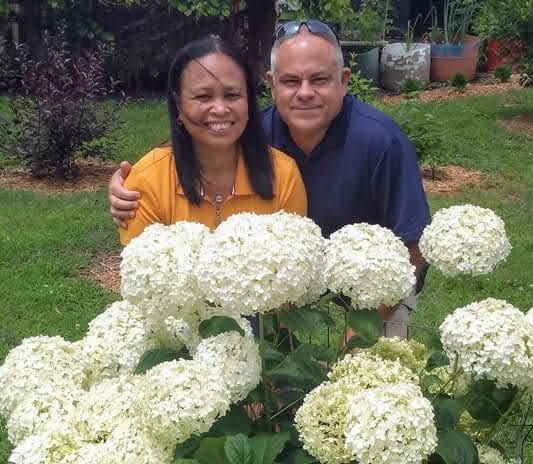
We are Bobby and Lynn, and we grow hydrangeas and other flowering shrubs at our seasonal plant farm in Dallas, Georgia. We see plenty of imperfect plants along the way. Heat, rain, late freezes, planting stress, pruning mistakes, and plain old Mother Nature all get a vote.
When a hydrangea looks wrong, we try to understand what changed before throwing fertilizer, fungicide, or more water at it. That simple habit has saved us from making more than a few problems worse.
Our Georgia growing conditions include hot summers, unpredictable spring freezes, and heavy clay soil. Gardeners in other regions may need different timing, so use our experience as a starting point and let your own plant and local weather finish the story.
Learn More About Bobby & Lynn