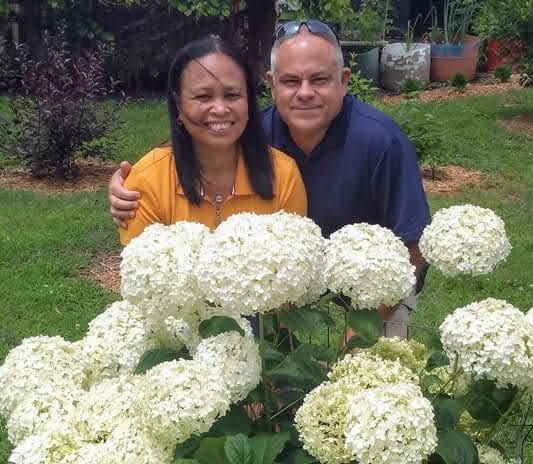
Gardening mistakes can get expensive fast, and some of the costliest ones are surprisingly simple. You can spend weeks researching the perfect hydrangea, pick out the healthiest shrub at the nursery, and still lose it by planting in a spot where water sits for three days after a hard rain.
Gardening has a funny way of making folks feel confident right before it humbles them good.
The good news is that many expensive problems are preventable. They usually are not caused by rare diseases, mysterious insects, or a deer with expensive taste. More often, they come from choosing the wrong location, planting too deeply, watering incorrectly, or overlooking what a plant actually needs.
Quick Answer: What Are the Most Common Gardening Mistakes?
Some of the most costly gardening mistakes include choosing the wrong plant for the location, planting too deeply, overwatering, underwatering, using too much fertilizer, ignoring mature plant size, and failing to check drainage. A little planning before planting can prevent many of these problems and save both plants and money.
Here are some of the most common gardening mistakes that can quietly turn into expensive lessons.
About Bobby & Lynn


Planting Before Checking the Sunlight
A plant tag may say “full sun,” but your yard may have other plans.
Many gardeners choose a planting spot based on where the shrub looks best from the porch. That is understandable. We all want our landscaping to look pretty from the driveway, the porch, and the kitchen window.
But shrubs do not care if they complete the view from your rocking chair. They care about sunlight.
A sun-loving flowering shrub planted in too much shade may grow weak, bloom poorly, and become more prone to disease. A shade-loving plant placed in harsh afternoon sun may spend the summer looking personally offended by the weather.
Before planting anything expensive, spend a day watching how sunlight moves across your yard. Check the area in the morning, around lunchtime, and again in the afternoon.
Not sure how much sun a spot gets? A simple garden sunlight meter can help you choose the right location before you start digging.
A five-minute sunlight check can save you from digging up the same shrub twice. At that point, it is not gardening. It is unpaid landscaping labor.
Many costly gardening mistakes actually begin before planting, so our guide to What You Should Check Before Buying a Plant can help you avoid choosing the wrong plant for the wrong spot.
Digging the Hole Too Deep
Many gardeners assume a deeper planting hole is better.
It sounds logical. Bigger hole, stronger plant. Right?
Not exactly.
Planting too deeply can cause problems around the crown of the plant, encourage rot, and make it harder for roots to establish properly. In most cases, the top of the root ball should sit level with the surrounding ground or just slightly above it, especially in areas with poor drainage.
A shrub planted too deeply may slowly struggle while everyone stands around wondering why it looks tired.
It looks tired because it is trying to grow from the basement.
Dig the hole wider than the root ball, but resist the temptation to bury the plant like hidden treasure. A dependable garden shovel can make it easier to dig a wide planting hole without turning a simple project into an all-afternoon excavation.
Forgetting to Check Drainage
Water is good. Standing water is not.
Some plants tolerate damp soil better than others, but very few flowering shrubs want to sit in a puddle for days at a time. Poor drainage can lead to root rot, weak growth, yellowing leaves, and the heartbreaking experience of watching a perfectly healthy plant decline after the first heavy rain.
Before planting, dig a small test hole and fill it with water. If the water sits there for a long time, you may need to improve drainage, choose a different planting spot, or select a plant that tolerates wetter soil.
This is especially important in yards with heavy clay soil. Georgia clay is impressive. It can be used for gardening, pottery, or possibly building a small brick house.
A soil moisture meter can also help you avoid watering plants that are already sitting in damp soil.
Watering Too Much or Too Little
Watering sounds simple until you realize almost every gardening problem can look like a watering problem.
Wilting leaves may mean a plant is thirsty. They may also mean the roots are waterlogged and cannot function properly. Yellow leaves can show up when a plant needs water, gets too much water, or simply wants to make gardening more confusing than necessary.
Newly planted shrubs usually need consistent watering while they establish roots. However, frequent shallow watering can encourage roots to stay near the surface. Once plants begin to settle in, deep watering is usually better than a quick sprinkle every day.
A watering wand or soaker hose makes it easier to water around the root zone without blasting soil halfway into the neighbor’s yard.
A hose timer can also help keep your watering routine consistent during hot weather. It is especially useful if you are the kind of person who turns on the water, walks away for “just a minute,” and remembers it again after lunch.
No judgment. Most of us have been there.
Skipping the Mulch
Mulch may not be the most exciting thing to buy at the garden center, but it quietly does a lot of work.
A proper layer of mulch helps hold moisture, regulate soil temperature, reduce weeds, and protect plant roots. It also makes a planting bed look finished, which is always helpful when relatives visit and start inspecting your yard like unpaid garden consultants.
Apply mulch around shrubs, but do not pile it against the stems or trunk.
The famous mulch volcano may look tidy from a distance, but it can hold moisture against the plant and lead to rot, pest problems, and disease issues.
Aim for a modest, even layer of mulch, and leave a little breathing room around the base of each plant.
A pair of gardening gloves, a mulch fork, and a sturdy garden cart can make hauling mulch a whole lot easier, especially when the flower bed is suspiciously far from the driveway.
Gardening Mistakes: Buying Plants Without Checking Their Mature Size
That adorable little shrub in a one-gallon pot may eventually grow wide enough to block a window, crowd the walkway, or swallow a nearby garden statue.
Plant spacing matters.
Before planting, check the mature height and width. Give shrubs enough room to grow naturally without needing constant pruning. Plants placed too close together may compete for water, sunlight, nutrients, and airflow. Crowded shrubs are also more likely to develop disease problems.
It is tempting to overfill a new flower bed because small plants can make the space look empty. Be patient. The plants will grow.
They are not furniture. You do not have to push them together to make the room feel cozy.
A long measuring tape or garden marking flags can help you space shrubs properly before planting. That little bit of planning may save you from a future shrub-relocation project.
And if you have ever dug up a mature shrub, you already know that is not a cute little Saturday chore.
Use UGA Extension’s guide to planting trees and shrubs properly. It explains common planting mistakes such as planting too deeply, failing to loosen roots, and putting fertilizer in the planting hole
Gardening Mistakes: Fertilizing Without Reading the Label
More fertilizer does not automatically mean more flowers.
Sometimes it means lots of leafy green growth and very few blooms. Sometimes it means damaged roots. Sometimes it means standing in the yard holding an empty fertilizer bag while wondering whether the words “apply sparingly” were important.
They were.
Always follow the recommended application rate on the label. It is also smart to know what your soil actually needs before adding fertilizer or amendments.
Your local extension office may offer soil testing services, which can give you much better information than guessing.
A slow-release fertilizer can be helpful for many shrubs when used correctly, but timing and amount matter. A careful application can support healthy growth without turning fertilizing into an expensive guessing game.
For larger areas, a hand spreader can make the job easier and help distribute fertilizer more evenly.
Gardening Mistakes: Using Dull or Dirty Pruning Tools
Pruning with dull tools is like trying to cut a tomato with a butter knife. It may technically work, but the results are not going to be pretty.
Dull blades can crush or tear stems instead of making clean cuts. Dirty tools may also spread disease from one plant to another.
Clean your pruning tools regularly and sharpen or replace them when needed. A quality pair of hand pruners is one of the best gardening investments you can make.
Around the farm, a good pair of hand pruners, loppers, and a sharpening tool are must-haves for clean cuts and everyday pruning.
Your shrubs deserve a clean haircut, not something that looks like it happened during a power outage.
Gardening Mistakes: Pruning at the Wrong Time
Pruning mistakes can be especially frustrating because the plant may stay perfectly healthy while refusing to bloom.
Some flowering shrubs bloom on old wood, which means their flower buds formed during the previous growing season. Others bloom on new wood, producing flowers on fresh growth. If you prune at the wrong time, you may accidentally remove the buds you were hoping to enjoy.
Before pruning any shrub, take a moment to research the specific variety.
This is especially important with hydrangeas. Different types have different pruning needs, and guessing can leave you with a lovely green shrub and absolutely no flowers.
A gardening journal can help you keep track of shrub varieties, bloom times, and pruning notes so you do not accidentally trim off next season’s flowers.
Ignoring Small Problems Until They Become Big Problems
A few chewed leaves may not be an emergency. A small patch of weeds may not ruin the garden. One drooping branch may not require immediate action.
But small problems are still worth a quick inspection.
Check shrubs regularly for signs of insects, disease, damaged stems, poor drainage, and watering issues. Catching a problem early is usually cheaper and easier than waiting until half the plant looks like it has given up.
Keep a basic gardening kit nearby with gloves, pruners, plant ties, and a small hand sprayer.
A small garden hand sprayer can be useful for applying treatments when a problem first appears, before it spreads across the whole bed.
The Best Gardening Tool Is Still a Little Patience
Most expensive gardening mistakes are preventable.
Take time to check the sunlight. Look at drainage. Read the plant tag. Measure the spacing. Water deeply but thoughtfully. Use mulch correctly. Prune with clean tools. Research before cutting.
None of these steps are complicated, but they can save a surprising amount of money.
Gardening does not require perfection. Every gardener eventually plants something in the wrong spot, forgets to water a container, or buys a plant without realizing it will grow large enough to require its own zip code.
The goal is not to avoid every mistake.
The goal is to make fewer expensive ones.
Discover more from Bobby and Lynn’s Plant Farm
Subscribe to get the latest posts sent to your email.