Quick Fire hydrangea care starts with enough sunlight, steady moisture, and pruning at the right time. Quick Fire® (Hydrangea paniculata ‘Bulk’) is an early-blooming panicle hydrangea with white flowers that age to pink and rosy red.
If you’re tired of waiting for your summer shrubs to bloom, this one gets the show started earlier than many other panicle hydrangeas. Give it room to grow, though. This is a full-size shrub that can reach 6–8 feet tall and wide.
Quick Answer: Quick Fire Hydrangea Care
Plant Quick Fire in full sun to part sun with well-drained soil. In hot Southern gardens, some afternoon shade helps. Keep the soil evenly moist while roots establish, and prune in late winter or early spring if needed. It blooms on brand new stems produced during the current growing season.
Quick Fire Giving You Trouble?
Use the Plant’s Symptoms as Clues
Quick Fire is a panicle hydrangea, so it blooms on brand new stems. If yours is not blooming, growing poorly, wilting, or developing brown leaves, sunlight, water, fertilizer, pruning timing, or plant stress may be involved. Our Hydrangea Help Center can help you narrow down the cause.
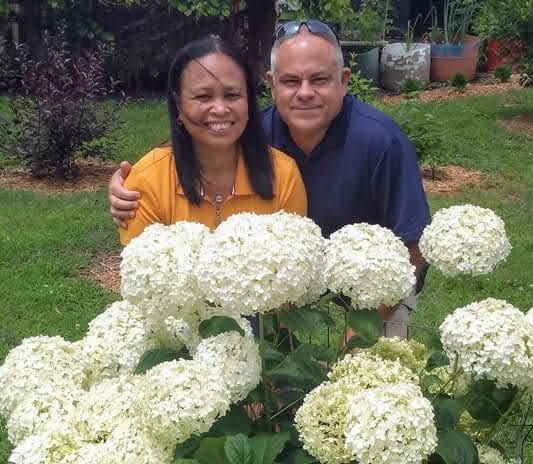
About Bobby & Lynn

What Is Quick Fire Hydrangea?
Quick Fire Hydrangea is a type of panicle hydrangea, also known as Hydrangea paniculata. Panicle hydrangeas are some of the easiest hydrangeas to grow, especially in Southern yards where summers can be hot and humid.
Unlike some hydrangeas that bloom on old wood, Quick Fire blooms on new wood. That means it forms its flower buds on the new growth it makes during the current season. For gardeners, that is good news because it makes pruning much less stressful.
If you have ever worried about cutting off next year’s hydrangea blooms, Quick Fire is a little more forgiving than bigleaf hydrangeas. You still want to prune at the right time, but you do not have to be quite as nervous about it.
Why Gardeners Love Quick Fire Hydrangea
One of the biggest reasons gardeners love Quick Fire Hydrangea is simple: it blooms early.
While many hydrangeas wait until mid or late summer to really get going, Quick Fire often starts showing off in early summer. The flowers begin white, then shift into shades of pink and red as they age. That color change gives the plant a completely different look from early summer into fall.
It is almost like getting several shrubs in one. First, you get clean white blooms. Then you get soft pink. Later in the season, those blooms can deepen into rich rosy-red tones. That makes Quick Fire a great choice near patios, walkways, driveways, or anywhere you will see it often.
Quick Fire Hydrangea Size
Quick Fire Hydrangea is a full-size shrub, so give it room to grow. It can reach around 6 to 8 feet tall and wide when mature, depending on growing conditions and pruning.
Because of its size, Quick Fire works well as:
- A flowering hedge
- A specimen shrub
- A backdrop plant in a flower bed
- A privacy planting
- A corner anchor in the landscape
- A pollinator-friendly garden feature
If you love the look of Quick Fire but need something smaller, you may want to look at Little Quick Fire Hydrangea, which has a similar early-blooming habit in a more compact size.
Best Sunlight for Quick Fire Hydrangea
Quick Fire Hydrangea grows best in full sun to part sun. In cooler climates, it can usually handle more sun. In hotter Southern yards, it often appreciates a little afternoon shade.
Here in the South, morning sun with some protection from the strongest afternoon heat can be a great setup. Too much deep shade may lead to fewer blooms, while too much blazing afternoon sun can cause wilting or stress during hot, dry spells.
A good rule of thumb is this: give it enough sun to bloom well, but do not plant it somewhere that feels like the surface of a skillet by 3 o’clock in the afternoon.
Soil and Water Needs
Quick Fire Hydrangea likes moist, well-drained soil. It does not want to sit in soggy ground, but it also does not want to dry out completely during summer heat.
After planting, water it deeply and regularly while it gets established. Once the roots settle in, Quick Fire becomes easier to care for, but it will still appreciate extra water during dry spells.
Mulch is your friend here. A good layer of mulch helps hold moisture, keeps the roots cooler, and cuts down on weeds. Just keep the mulch pulled back a little from the base of the plant so it is not piled directly against the stems.
When Does Quick Fire Hydrangea Bloom?

Quick Fire Hydrangea usually blooms in early summer, often earlier than many other panicle hydrangeas. The flowers start out white, then age to pink and red as the season continues.
This makes Quick Fire especially useful if you want hydrangea blooms earlier in the year. It helps bridge the gap between spring-flowering shrubs and later summer bloomers.
For a longer hydrangea season, you can pair Quick Fire with other panicle hydrangeas that bloom later, such as Limelight, Phantom, or Pink Diamond. That way, your hydrangea display keeps rolling instead of showing up all at once and calling it quits.
How to Prune Quick Fire Hydrangea
Since Quick Fire Hydrangea blooms on new wood, the best time to prune is in late winter or early spring before new growth really gets going.
You do not have to prune it heavily every year. In many yards, all it needs is a little shaping and cleanup. Remove any dead, damaged, weak, or crossing branches. You can also trim it back some to manage size and encourage strong new growth.
Avoid pruning too late in spring once the plant has already started forming new growth and flower buds. While Quick Fire is more forgiving than some hydrangeas, timing still matters.
Think of pruning as a haircut, not a punishment. You are just helping the plant keep a good shape and grow strong.
Does Soil pH Change Quick Fire Hydrangea Color?
No, soil pH does not change the flower color of Quick Fire Hydrangea the way it can with some bigleaf hydrangeas.
Quick Fire naturally changes color as the blooms age. The flowers open white, then turn pink and red over time. Adding soil acidifier or lime will not turn Quick Fire blue.
So if you are hoping for blue hydrangea blooms, Quick Fire is not the one for that job. But if you want white flowers that shift into pink and red, it is a mighty fine choice.
For more details on mature size, sunlight, and bloom color, visit the Proven Winners Quick Fire hydrangea guide.
Where to Plant Quick Fire Hydrangea
Quick Fire Hydrangea looks beautiful in several spots around the yard. Because it gets fairly large, make sure you give it enough space from buildings, sidewalks, fences, and other plants.
Good planting locations include:
- Along a driveway
- Near a porch or patio
- In a mixed shrub border
- As a flowering privacy screen
- At the back of a sunny flower bed
- Near evergreens for contrast
- In a pollinator-friendly landscape
Try not to crowd it. A cramped hydrangea is like a person trying to work in a closet — it might survive, but it sure will not do its best work.
Common Quick Fire Hydrangea Problems
Quick Fire Hydrangea is generally easy to grow, but like any plant, it can run into a few problems.
Wilting Leaves
Wilting usually happens when the plant is too dry or getting too much hot afternoon sun. Check the soil before watering. If the soil is dry a few inches down, give it a deep drink.
Few or No Blooms
Not enough sunlight can reduce blooming. Heavy pruning at the wrong time may also affect flowers. Make sure the plant gets enough sun and prune in late winter or early spring.
Yellow Leaves
Yellow leaves can be caused by poor drainage, overwatering, lack of nutrients, or general stress. Make sure the plant is not sitting in soggy soil.
Floppy Stems
Young plants may have softer stems at first. As the plant matures, the stems usually become stronger. Avoid over-fertilizing, because too much fast growth can lead to weaker stems.
Is Quick Fire Hydrangea Good for Southern Gardens?
Yes, Quick Fire Hydrangea can be a great choice for Southern gardens, especially when planted in the right spot. Give it good morning sun, decent soil, mulch, and steady water during dry spells, and it can reward you with months of changing color.
In very hot areas, afternoon shade can help keep the plant from stressing during summer heat. This is especially important during the first year while the roots are getting established.
Best Companion Plants for Quick Fire Hydrangea
Quick Fire Hydrangea pairs nicely with plants that enjoy similar conditions. Some good companions include:
- Bee balm
- Coneflower
- Black-eyed Susan
- Butterfly bush
- Salvia
- Catmint
- Hostas in part shade
- Ornamental grasses
- Other panicle hydrangeas
For a Southern garden, try planting Quick Fire with purple coneflowers, black-eyed Susans, and bee balm. That mix gives you color, texture, and pollinator activity through the warm season.
Final Thoughts on Quick Fire Hydrangea
Quick Fire Hydrangea is a wonderful shrub for gardeners who want early blooms, long-lasting color, and easy care. Its white flowers turn pink and red as the season goes on, giving your yard a beautiful changing display from early summer into fall.
It is a strong choice for borders, hedges, foundation plantings, and mixed garden beds. Just give it enough room, steady moisture, and the right amount of sun, and it should become one of those plants you look forward to seeing every year.
At Bobby & Lynn’s Plant Farm, we love plants that work hard in the landscape without making gardening feel complicated. Quick Fire Hydrangea fits that description mighty well.
If you want an early-blooming hydrangea with dependable color and plenty of charm, Quick Fire is one worth adding to your garden list.
Need More Hydrangea Help?
Still have questions about your hydrangea? Visit our Hydrangea Help page for practical guides on pruning, watering, fertilizing, blooming problems, brown leaves, drooping flowers, and more.
Whether you’re trying to identify your hydrangea or figure out why it isn’t blooming, we’ll help you find the right information without making things more complicated than they need to be.