From Bobby & Lynn’s Plant Farm
Gardening Words, Made Simple
Our gardening glossary explains the words you’ll see on plant tags and in our care guides. Find a term, learn what it means, and see how it fits your garden. No fancy talk needed.
Quick answer: A gardening glossary is a guide to common plant and garden terms. Start with sunlight, soil, mature size, and bloom time when reading a plant tag. Check old wood and new wood before pruning a hydrangea.
ABack to top ↑
- Acidic Soil
Soil with a pH below 7.
A soil test tells you the pH. Don’t add products to change it just by guessing.
See pH →- Alkaline Soil
Soil with a pH above 7.
A plant that needs acidic soil may struggle to take up some nutrients in alkaline soil.
See Soil Test →- Amend
To change soil by mixing in a material that improves its properties.
Compost is one common amendment. Mulch goes on top of the soil instead.
See Mulch →- Annual
A plant that completes its life cycle in one growing season.
Some plants sold as annuals are tender perennials that can’t survive the local winter.
See Perennial →
BBack to top ↑
- Bare Root
A plant sold with its roots exposed, without a pot or surrounding soil.
Bare root plants are commonly sold while dormant. Keep the roots from drying out before planting.
See Dormant →- Biennial
A plant that usually completes its life cycle over two growing seasons.
It commonly grows leaves first, then flowers and sets seed in its second season.
- Bloom Time
The part of the year when a plant normally flowers.
Weather, location, and plant variety can shift the timing on a plant tag.
Explore the plants we grow →- Bud
A small growing point that can develop into leaves, flowers, or a shoot.
Not every bud is a flower bud. Look at the plant type before deciding what to prune.
See Old Wood →
CBack to top ↑
- Compost
Organic material that has broken down into a useful soil amendment.
Compost and fertilizer serve different purposes. Compost can improve soil structure as well as contribute nutrients.
See Fertilizer →- Cultivar
A plant variety selected and maintained for particular traits.
Cultivars of the same species can differ in size, flower color, and growing habit.
- Cut Back
To shorten a plant by removing part of its stems or branches.
How far and when to cut depends on the plant. Cutting back and deadheading aren’t the same job.
See Deadheading →
DBack to top ↑
- Deadheading
Removing flowers that have faded or finished blooming.
It can tidy a plant and sometimes encourage more flowers. It doesn’t guarantee another bloom cycle.
See Spent Bloom →- Deciduous
A plant that sheds its leaves for part of the year.
Most hydrangeas lose their leaves in fall or winter. Bare winter stems don’t automatically mean the plant is dead.
See Dormant →- Deer Resistant
Less likely to be eaten by deer than some other plants.
It doesn’t mean deer proof. Feeding can change with local deer pressure and food supply.
- Dormant
A resting phase when active growth slows or pauses.
Many plants become dormant in winter; some rest during heat or drought. Dormant plants are still alive.
- Drainage
How readily excess water moves out of soil or a container.
A pot needs drainage holes. A bed needs soil conditions that let excess water move away.
See Well-Drained Soil →
EBack to top ↑
- Evergreen
A plant that keeps foliage throughout the year.
Evergreen plants still shed older leaves or needles as they replace them. They don’t keep every leaf forever.
Explore evergreen flowering shrubs →
FBack to top ↑
- Fertilizer
A material that supplies plant nutrients.
Plants make their own sugars using light. Fertilizer supplies nutrients; it won’t fix every growing problem.
See Soil Test →- Full Shade
A spot with little direct sunlight and mostly indirect or filtered light.
Growers use this label differently. Check the specific plant’s needs; full shade doesn’t mean no light.
Read UGA’s sunlight guide →- Full Sun
Usually at least six hours of direct sunlight each day.
Morning sun and hot afternoon sun can affect a plant differently, especially in warm climates.
Read UGA’s sunlight guide →
HBack to top ↑
- Hardiness Zone
A USDA map zone based on average annual extreme minimum winter temperatures.
Zones help with winter survival. They don’t tell the whole story about summer heat, soil, or rainfall.
Find your USDA hardiness zone →- Hydrangea
A group of flowering shrubs and climbing plants in the genus Hydrangea.
Some bloom on old wood, some on new wood, and some on both. Identify yours before pruning.
Open our hydrangea care guide →
MBack to top ↑
- Mature Size
The expected height and width of a plant as it develops.
Plan for its grown size, not the size of the nursery pot. Conditions and time affect the final size.
Compare plant sizes →- Mulch
A layer spread over the surface of the soil.
It can reduce weeds and moisture loss. Keep mulch from piling against plant stems and tree trunks.
Compare mulch and soil amendments →
NBack to top ↑
- Native Plant
A plant that occurs naturally in a particular region without human introduction.
Native to one part of a country doesn’t mean native to every part. The region matters.
- New Wood
Stem growth produced during the current growing season.
Panicle and smooth hydrangeas form flowers on new growth.
Compare old wood and new wood →
OBack to top ↑
- Old Wood
Stem growth from a previous growing season.
On hydrangeas that bloom on old wood, removing those stems can remove flower buds already formed.
Compare old wood and new wood →
PBack to top ↑
- Part Shade
A mix of sun and shade, often with protection from afternoon sun.
The hours vary by grower and plant. Look at both how long the sun shines and when it arrives.
Read UGA’s sunlight guide →- Part Sun
Commonly about four to six hours of direct sunlight each day.
Use the label as a starting point. Check whether the plant needs relief from strong afternoon sun.
Read UGA’s sunlight guide →- Perennial
A plant that lives for more than two years.
Some die back and regrow from their roots; others keep woody stems. Winter survival still depends on the plant and location.
Compare annuals and perennials →- pH
A measure of how acidic or alkaline something is.
Soil pH affects nutrient availability and can influence flower color in some hydrangeas. It won’t turn every hydrangea blue or pink.
See Soil Test →- Pollinator Friendly
Providing useful nectar, pollen, or habitat for pollinators.
Different bees, butterflies, and other pollinators use different plants. A mix of bloom times can help.
- Pruning
Removing selected plant parts to manage growth, shape, or health.
Timing matters. Check the plant’s flowering habit before removing live stems.
Read our hydrangea pruning guide →
RBack to top ↑
- Root Ball
The roots and surrounding growing material moved with a plant.
Check moisture in the root ball after planting, not just in the soil around it.
- Root Bound
Roots crowded in a container, often circling around its sides.
Check the root system when removing a plant from its pot. Dense, circling roots may need attention before planting.
SBack to top ↑
- Shrub
A woody plant that commonly branches from several stems near the ground.
Some shrubs can be trained into a tree form. Their mature width matters when choosing a planting spot.
Browse plants we grow →- Soil Test
A laboratory test that measures soil pH and selected nutrients.
Use the results to guide fertilizer and soil amendments. A routine test doesn’t diagnose every pest or drainage problem.
Find help through UGA Extension →- Spent Bloom
A flower or flower cluster that has finished its main bloom period.
Fading petals or brown flower heads don’t necessarily mean the whole plant is unhealthy.
See Deadheading →
TBack to top ↑
- Transplant
To move a plant to a different growing location.
A transplanted shrub needs time to rebuild roots and settle in. Watch its root ball moisture as it establishes.
See Root Ball →
WBack to top ↑
- Well-Drained Soil
Soil that lets excess water move away while retaining some usable moisture.
Well drained doesn’t mean always dry. Roots need both water and air.
See Drainage →
ZBack to top ↑
- Zone
A shortened way to refer to a plant hardiness zone.
USDA zones describe winter cold. Other countries may use different zone systems.
See Hardiness Zone →
No matching terms. Try a shorter word or choose All terms.
See What the Words Look Like
A few photos from our garden help put the terms into context.
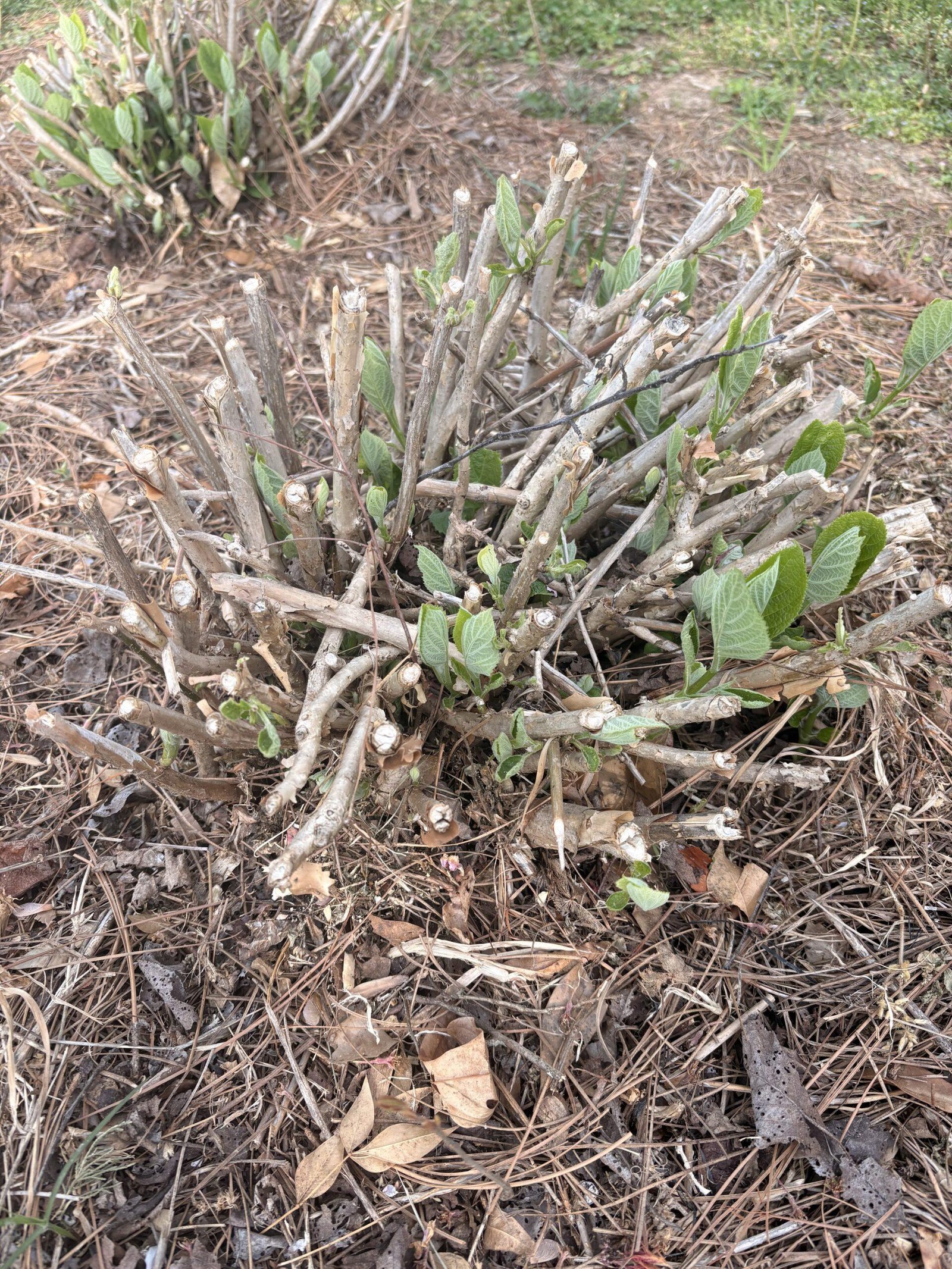
Find the right pruning method →
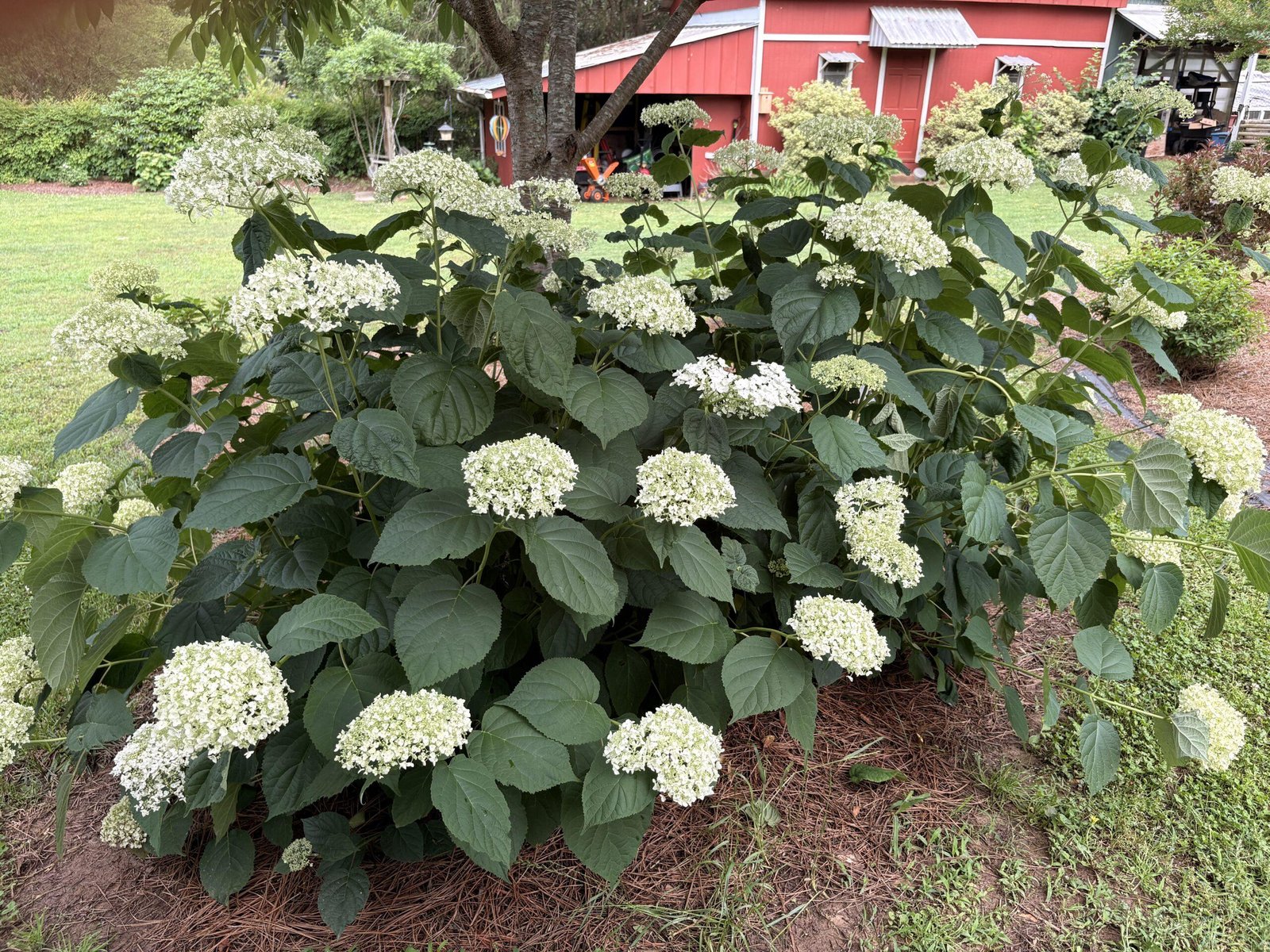
Compare plant sizes →
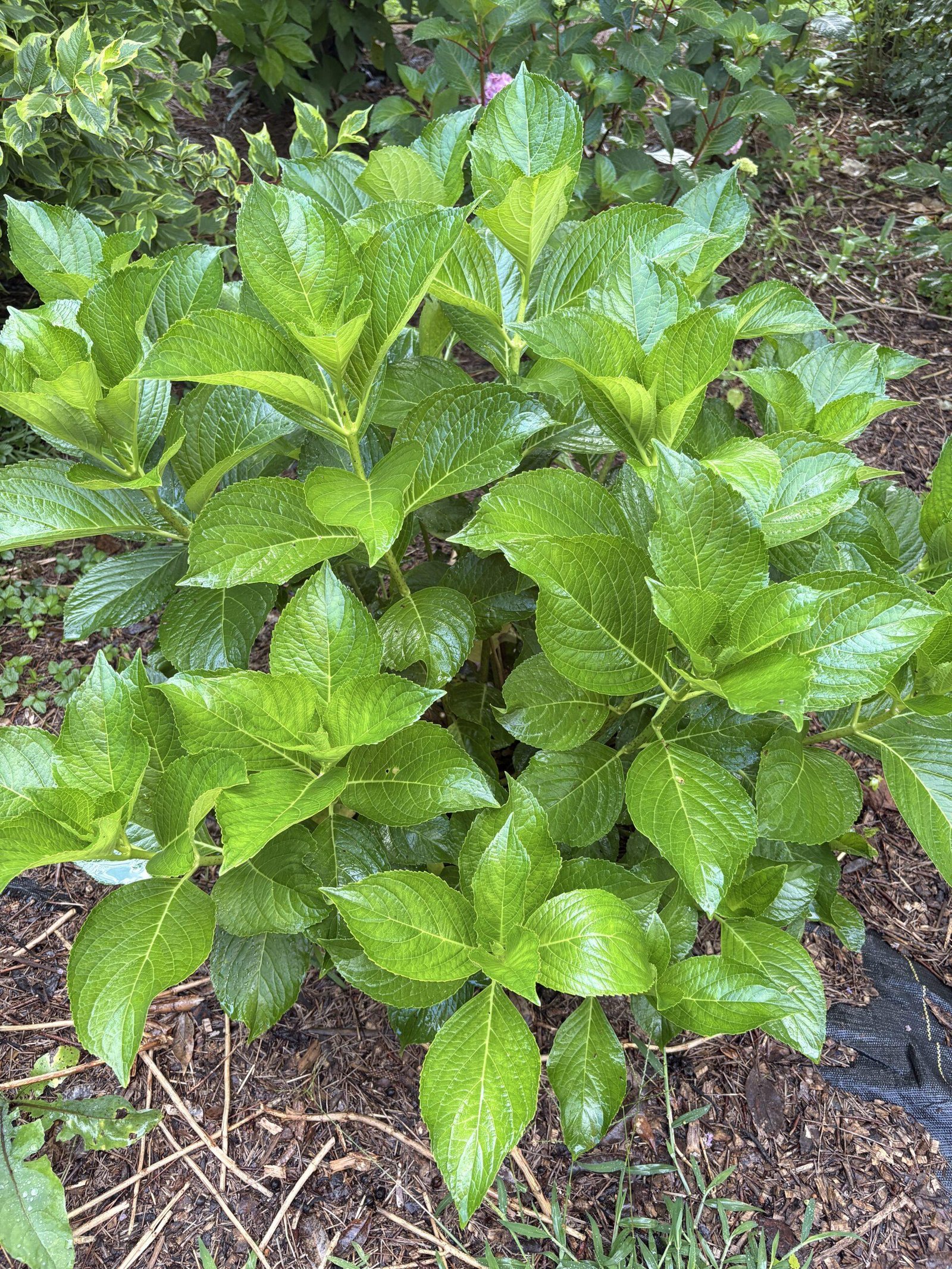
Get help with missing blooms →
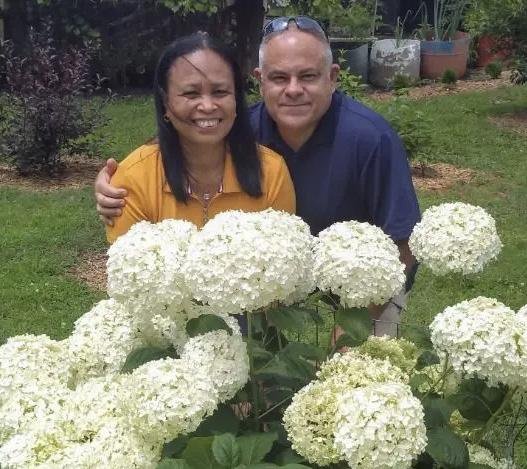
A Note from Bobby & Lynn
We grow hydrangeas and flowering shrubs in Dallas, Georgia. Hot afternoons and changing seasons remind us that a plant tag is a starting point. Use these terms to understand the advice, then match it to your own garden.
Get to know us →Learn More from Trusted Sources
For more detail on garden terms, light requirements, nutrients, and winter hardiness: