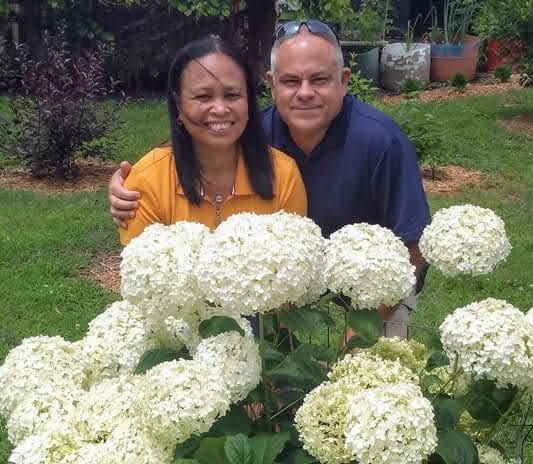
Endless Summer Hydrangea is a reblooming bigleaf hydrangea known for its large, rounded mophead flowers and long blooming season. Depending on the soil conditions, the flowers may appear blue, pink, lavender, or purple, giving gardeners an opportunity to enjoy different colors in the landscape.
Its flower color is influenced by soil pH and the availability of aluminum in the soil. Acidic conditions generally encourage blue flowers, while less acidic or more alkaline soil usually produces pink flowers. Purple or lavender blooms may appear when the soil conditions fall somewhere in between. Test the soil before adding products intended to change bloom color, since adjustments should be made gradually.
In Georgia and other Southern gardens, plant Endless Summer where it receives morning sunlight and protection from intense afternoon heat. Too much hot afternoon sun can cause wilting, scorched leaves, and faster moisture loss. The University of Georgia Extension’s guide to growing bigleaf hydrangeas recommends morning sun, afternoon shade, and moist, well-drained soil for this type of hydrangea.
Keep the soil consistently moist during the growing season, especially while the plant is becoming established. A two- to three-inch layer of mulch around the root zone can help retain moisture and keep the roots cooler. Keep the mulch a few inches away from the stems.
Removing faded flower heads can keep the plant looking tidy and may encourage continued blooming. However, poor flowering is not always caused by pruning. Late freezes, winter damage, excessive shade, too much nitrogen fertilizer, and inconsistent watering can also reduce flower production.
At Bobby & Lynn’s Plant Farm, we recommend giving Endless Summer Hydrangea enough room to reach its mature size. Proper spacing improves airflow, allows its naturally rounded shape to develop, and reduces the need for frequent trimming.
Endless Summer Hydrangea blooms on both old and new wood, so avoid heavy pruning. Wait until new growth appears in early spring, then remove only stems that are clearly dead, damaged, or weak. Our Old Wood vs. New Wood Hydrangeas guide explains how a hydrangea’s blooming habit affects the correct pruning time.

Plant Details
Sun Exposure: Morning Sun, Part Sun, Afternoon Shade
Bloom Color: Blue, Purple, Pink
Bloom Time: Summer, Fall
Mature Height: 3-5 feet
Mature Width: 3-5 feet
Hardiness Zone: 4-9
Pruning Time: After Flowering, Early Spring Only if Needed
Notes
Endless Summer Hydrangea blooms on both old and new wood, so heavy pruning should be avoided. In early spring, wait until new growth begins to appear, then remove only stems that are clearly dead, damaged, or weak.
Its flower color is influenced by soil pH. Acidic soil generally encourages blue flowers, while more alkaline soil usually produces pink flowers. Purple blooms may appear when the soil conditions fall somewhere in between.
In Georgia and other Southern gardens, plant Endless Summer where it receives morning sunlight and protection from intense afternoon heat. Too much hot afternoon sun can cause wilting, scorched leaves, and faster moisture loss.
Keep the soil consistently moist during the growing season, especially while the plant is becoming established. A layer of mulch around the root zone can help hold moisture and keep the roots cooler, but avoid piling mulch against the stems.
Removing faded flower heads may help keep the plant looking tidy and can encourage additional blooms. However, poor flowering is not always caused by pruning. Late freezes, winter damage, too much shade, excessive fertilizer, and inconsistent watering can also reduce blooming.
At Bobby & Lynn’s Plant Farm, we recommend giving Endless Summer Hydrangea enough room to reach its mature size. Proper spacing improves air movement, allows its naturally rounded shape to develop, and reduces the need for frequent pruning.
Discover more from Bobby and Lynn’s Plant Farm
Subscribe to get the latest posts sent to your email.