When your hydrangea outgrew its plant tag, you may feel like you bought the wrong plant or were given bad information. The tag may have promised a neat four-foot shrub, but several years later, your hydrangea is leaning over a walkway, crowding nearby plants, or reaching toward the windows.
Quick Answer: A hydrangea can grow larger than the size listed on its plant tag because those measurements are estimates, not firm limits. Climate, soil, moisture, sunlight, fertilizer, age, and the plant’s natural growth habit can all affect its mature size. Before trying to keep an oversized hydrangea small with heavy pruning, identify the variety and decide whether light pruning, moving the plant, or giving it more room is the better long term solution.
What We Tell Our Customers
At Bobby & Lynn’s Plant Farm, we talk with customers about where they plan to put a hydrangea before they buy it. We want to help them choose the right plant for the right spot instead of finding out a few years later that it has outgrown the space.
One thing we always explain is that the size on a plant tag is a guide, not a guarantee. Plants can grow larger or smaller depending on the soil, moisture, sunlight, and overall growing conditions.
A hydrangea listed at about 6 feet tall and 6 feet wide may stay close to that size, but in better soil with good moisture and the right growing conditions, it may eventually reach 8 feet by 8 feet or even more.
That’s why we encourage gardeners to plan for a little extra room instead of planting right at the minimum spacing listed on the tag.
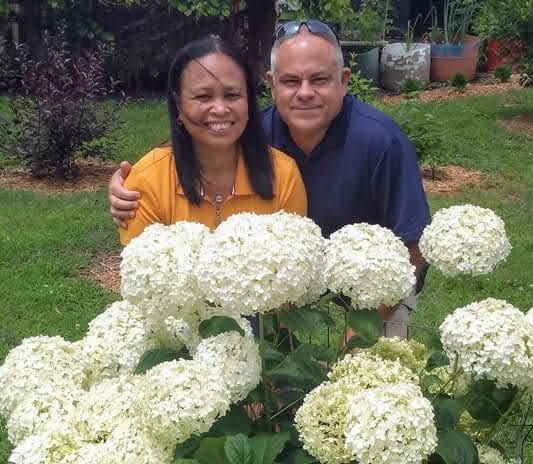
About Bobby & Lynn

Why a Hydrangea Outgrew Its Plant Tag
The mature height and width printed on a plant tag usually represent the size that variety is expected to reach under typical growing conditions. The problem is that few gardens provide truly “typical” conditions.
A tag might list a hydrangea as growing four to five feet tall and wide. That does not necessarily mean it will stop growing the moment it reaches five feet. A healthy, established shrub growing in a favorable climate may eventually exceed that estimate.
The listed size may also describe how the plant commonly performs during its first several years rather than the largest size an older specimen could ever reach.
Think of the tag as a planning guide rather than a guarantee.

Hydrangeas do not grow to one exact measurement. Even plants of the same variety can mature differently depending on where they are grown.
One nursery may describe a variety as reaching three to five feet, while another source lists it as four to six feet. That difference does not necessarily mean either source is wrong. It reflects the natural variation found in living plants.
For example, the Missouri Botanical Garden lists ‘Annabelle’ smooth hydrangea at approximately three to five feet tall with a spread of four to six feet. It lists ‘Limelight’ panicle hydrangea at roughly six to eight feet tall and wide. These ranges show why gardeners should plan for the upper measurement rather than the smallest number printed on a tag.
When choosing a planting location, use the largest expected width and add a little extra breathing room.
Your Climate May Encourage More Growth
Climate can make a noticeable difference in mature hydrangea size.
In areas with long growing seasons, hydrangeas have more time each year to produce stems, leaves, and roots. A plant growing in the South may put on growth for a much longer period than the same variety planted in a colder region.
Mild winters can also allow more of the existing woody framework to survive. Over time, that can create a larger and fuller shrub.
Warm temperatures alone do not guarantee enormous growth. Hydrangeas still need appropriate sunlight, adequate water, and healthy soil. However, when all those conditions come together, a plant may easily reach the upper end of its listed range—and sometimes grow beyond it.
Gardeners in warmer climates should be especially cautious about placing hydrangeas too close to foundations, walkways, air-conditioning units, or neighboring shrubs.
Rich Soil Can Produce a Larger Hydrangea
Plant tags cannot account for the soil in every garden.
A hydrangea planted in compacted, dry, nutrient-poor ground may grow slowly and remain smaller. The same variety planted in loose soil enriched with compost may establish a stronger root system and produce considerably more top growth.
Consistently moist, well-drained soil is especially favorable for hydrangeas. When the roots have dependable access to moisture without sitting in water, the plant can devote more energy to producing new stems and foliage.
This is usually a sign of good health. The problem is not that the hydrangea is growing too well. The problem is that the original location may not have provided enough room for a thriving mature plant.
Our complete guide to growing hydrangeas explains how soil, water, sunlight, and climate work together to influence hydrangea growth.
Too Much Fertilizer Can Create Excessive Growth
Fertilizer is another reason a hydrangea may grow larger than expected.
Products containing a high percentage of nitrogen encourage leafy green growth. When used too heavily, they may produce long stems, oversized leaves, and rapid expansion without creating a matching increase in flowers.
This can happen when hydrangeas are planted near lawns that receive regular fertilizer. The shrub’s roots may extend into the fertilized area and absorb nutrients intended for the grass.
It can also occur when gardeners apply fertilizer several times a year because they assume more feeding will create more flowers. Hydrangeas generally do not require constant fertilization, especially when they are already growing vigorously.
If your hydrangea is enormous, deep green, and producing fewer flowers than expected, excessive nitrogen may be part of the problem.
Avoid applying more fertilizer until you have evaluated the plant’s growth and, when necessary, tested the soil.
Sunlight Changes the Way a Hydrangea Grows
Sunlight can influence both the density and shape of a hydrangea.
A plant receiving suitable light often develops a fuller framework with sturdy growth. In deeper shade, some hydrangeas stretch toward available light, producing long stems that make the shrub appear taller, wider, or more irregular.
The correct amount of sun depends on the hydrangea type and the local climate. Bigleaf and smooth hydrangeas often appreciate morning sun and afternoon protection in hot regions. Panicle hydrangeas generally tolerate more direct sunlight when they receive adequate moisture.
A hydrangea leaning or stretching in one direction may not truly be oversized. It may be reaching around a building, fence, tree, or larger shrub to find more light.
Before pruning it heavily, look at how sunlight moves across the planting area throughout the day.
Nursery Pruning Can Hide the Plant’s Natural Habit
A hydrangea in a garden center may look much more compact than it will after several years in the landscape.
During nursery production, hydrangeas may be pruned or sheared to encourage branching, increase density, and keep plants manageable for shipping and display. Commercial growers may also use other production practices to control plant size while the hydrangea is in its container.
Once planted in the ground, the hydrangea is no longer restricted by a nursery pot or maintained for retail presentation. Its roots can spread into the surrounding soil, and its stems begin developing according to the variety’s natural growth habit.
That tidy little plant you brought home was not necessarily showing you its permanent shape.
This is one reason gardeners should research the variety instead of judging mature size by the plant they see at the nursery.
The Hydrangea May Have Been Labeled Incorrectly
Plant identification mistakes occasionally happen.
Tags can become separated from containers, plants may be placed in the wrong section, or similar-looking varieties may be confused when they are young. A mislabeled hydrangea can become obvious only after it matures or begins flowering.
For example, a compact panicle hydrangea expected to stay around three feet tall would be quite different from a standard ‘Limelight’ capable of reaching six to eight feet.
Look for the original plant name on the tag, receipt, or order confirmation. Then compare the mature leaves, flowers, stem color, bloom shape, and flowering season with reliable descriptions of that cultivar.
It may be difficult to identify the exact variety, but determining whether you have a bigleaf, panicle, smooth, or oakleaf hydrangea can still help you understand its expected size and pruning needs.
Your Hydrangea Is Older Than the Plants Used for Estimates
Many mature-size descriptions focus on how large a shrub becomes within a common garden-planning period. They do not always describe the size of a hydrangea that has been growing undisturbed for 10, 15, or 20 years.
Woody shrubs continue developing as they age. Although growth may slow after maturity, an established hydrangea can gradually become wider as new stems emerge from the base and outer branches lean toward open space.
Older hydrangeas may also spread through layering. When a low branch rests against moist soil, it can sometimes develop roots and create additional growth around the original plant.
A hydrangea that remained within its expected size for years may eventually begin occupying more room simply because it has become an old, well-established shrub.
Repeated Pruning Can Sometimes Make the Problem Worse
Pruning seems like the obvious answer when a hydrangea becomes too large, but repeatedly cutting it back does not permanently change its genetic size.
Heavy pruning can stimulate vigorous replacement growth. The shrub may respond by producing several strong new stems, leaving you with a plant that quickly becomes tall and dense again.
Incorrect pruning can also remove flower buds. Bigleaf and oakleaf hydrangeas commonly produce flowers on older wood, while panicle and smooth hydrangeas generally bloom on new growth. Cutting at the wrong time can reduce or eliminate the next season’s flowers.
Before pruning, identify which type of hydrangea you have and learn whether it flowers on old wood, new wood, or both. Clemson Cooperative Extension’s hydrangea care guide provides helpful information about the major hydrangea types and their pruning needs.
Pruning can improve shape, remove damaged stems, and reduce some crowding, but it is not a reliable way to keep a naturally eight-foot shrub permanently confined to a four-foot space.
Should You Prune, Move, or Replace It?
The best solution depends on how badly the hydrangea has outgrown its location.
Light corrective pruning may be enough when only a few branches block a walkway or rub against the house. Remove individual problem stems rather than shearing the entire shrub into a tight shape.
Transplanting may be the better choice when the plant is healthy but clearly too large for the available space. Moving it while dormant or during cool weather can reduce stress, although timing varies by climate.
Replacing the hydrangea may make more sense when it is planted in a very narrow bed, blocks windows or utilities, or would require severe pruning every year. Modern compact varieties can provide impressive flowers while fitting more comfortably into small landscapes.
Whatever you decide, avoid cutting the plant nearly to the ground until you know its type and flowering habit.
How to Prevent This Problem With Your Next Hydrangea
A little planning can prevent years of corrective pruning.
Read the entire tag and pay attention to both mature height and mature width. Research the exact variety using at least one additional reliable source. When sources provide different measurements, plan around the largest size listed.
Measure from the permanent center of the plant—not from the edge of its nursery pot. A hydrangea expected to spread six feet should generally have about three feet of growing room extending from its center in every direction, with additional space where access or airflow is important.
Also consider nearby structures and plants. Ask yourself whether the mature hydrangea will:
- Cover a window
- Lean across a walkway
- Crowd another shrub
- Block access to a faucet or utility
- Grow against siding or brick
- Overwhelm the front of a small planting bed
Planning for the mature plant may make a new landscape look slightly open at first, but that empty room will disappear as the shrubs establish.
The Plant Tag Was a Starting Point
When your hydrangea becomes larger than the size printed on its tag, it does not always mean something went wrong. The shrub may simply be responding to excellent soil, a long growing season, dependable moisture, or years of healthy growth.
Plant tags provide useful guidance, but they cannot predict every garden, climate, or mature plant. Hydrangeas are living shrubs, not manufactured objects programmed to stop at an exact measurement.
The best approach is to identify your variety, evaluate why it has grown so large, and choose a solution that respects its natural growth habit. Sometimes careful pruning will help. Sometimes the hydrangea needs a roomier location. And sometimes the experience teaches us to leave a little more space around the next one we plant.
A hydrangea outgrowing its tag may be frustrating, but it can also be a sign that you created a place where the plant was able to thrive.