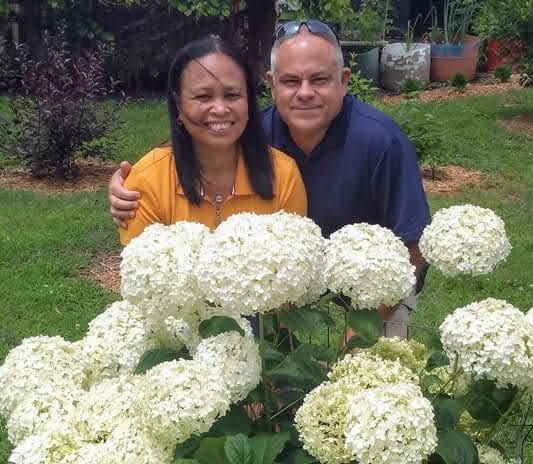
Behind the scenes at a small plant farm, there’s a lot more going on than rows of pretty plants. Every plant takes time, watering, pruning, potting, moving, checking, and sometimes a little trial and error before it’s ready to go home with someone.
They see the blooms, the leaves, the color, and maybe where it would look good in their yard.
But behind that one plant is a whole lot of work, patience, watering, pruning, potting, moving, checking, and sometimes saying, “Well, that one didn’t make it.”
Quick Answer
Running a small plant farm means much more than growing plants. There’s propagation, potting, watering, pruning, moving plants, watching the weather, checking for problems, labeling, organizing, and deciding when each plant is ready to sell. A lot of the work happens long before a customer ever sees the finished plant.
About Bobby & Lynn

It Starts With Choosing the Right Plants
Before anything gets planted, potted, or propagated, we have to decide what’s worth growing.
Not every plant is a good fit for every yard. Some plants may look beautiful but struggle in our heat. Others may grow well but get too big too fast. Some need more care than most people want to give.
At a small plant farm, we think about plants that are useful, dependable, and worth taking up space.
We look for plants that can handle real yards, real weather, and real gardeners who may not have time to baby something every single day.

Propagation Takes Time and Patience
A lot of plants don’t just magically appear in pots.
Many of them start from cuttings, divisions, or young starter plants. Propagation is one of the most exciting parts of growing plants, but it also takes patience.
Cuttings have to be taken at the right time. They need the right moisture, the right light, and enough time to grow roots. Some root quickly and some take their sweet time. Some look great one week and give up the next.
That’s just part of growing.
Not every cutting survives, and that’s normal. A small plant farm learns to expect a little loss and keep going.
Potting Is a Bigger Job Than It Looks
Putting a plant in a pot may sound simple, but when you’re doing a lot of them, it turns into a real job.
There’s soil to mix, pots to gather, labels to make, plants to sort, roots to check, and rows to organize. Every plant needs enough room to grow, but not so much room that it sits too wet.
The right pot size matters.
Too small, and the plant can dry out fast. Too large, and the soil may stay wet too long. A good pot helps the plant grow strong before it ever leaves the farm.
Watering Is Not Just Spraying Everything Down
Watering sounds easy until you’re caring for rows and rows of plants.
Some plants dry out faster than others. Some are in more sun or newly potted. Some have bigger root systems. Some are in smaller containers and need more attention.
You can’t always water everything exactly the same way.
Too little water can stress a plant. Too much water can cause root problems. So watering becomes one of the biggest daily jobs on a small plant farm, especially during hot weather.
In the South, summer heat doesn’t play around.
Plants Get Moved Around More Than You’d Think
Plants don’t always stay in one place.
Sometimes they need more sun. Sometimes they need more shade. Sometimes they need to be grouped by size, type, or readiness. Sometimes they’re moved just so we can clean up a row or make room for new plants.
A plant farm can feel like a big puzzle.
You get one section organized, then another batch of plants needs space. Before long, you’re moving pots again and wondering how one little area got crowded so fast.
Pruning Helps Shape the Plants
A plant may not always look perfect while it’s growing.
Sometimes it needs to be cut back so it can fill out better. Sometimes damaged growth has to be removed. Sometimes a shrub needs light shaping before it’s ready to sell.
Pruning isn’t always about making a plant smaller.
A good trim can help a plant grow fuller, stronger, and healthier. It can also help remove weak stems and encourage better branching.
To someone who doesn’t garden, cutting back a plant may look scary.
To a grower, it’s often just part of helping the plant become better.
We Watch for Problems Early
Behind the scenes, plants get checked often.
We look for yellow leaves, wilting, spots, pests, broken stems, dry pots, root issues, and anything that just doesn’t look right.
Catching problems early makes a big difference.
A few bad leaves don’t always mean a plant is in trouble, but they do make us stop and take a closer look. Sometimes a plant just needs water. Sometimes it needs less water. Sometimes it needs to be moved out of the hot afternoon sun.
Plants tell you a lot if you pay attention.
Not Every Plant Is Ready at the Same Time
This is something a lot of people don’t see.
Two plants may be the same variety, started around the same time, and sitting in the same area — but one may take off faster than the other.
Plants grow at their own pace.
Some fill out quickly. Some need more time. Some get held back because they’re not quite ready. At a small plant farm, we’d rather give a plant more time than rush it out before it’s strong enough.
A plant should look good, but it should also be ready to grow well after someone takes it home.
Labels and Plant Information Matter
Plant labels are more important than people think.
A customer needs to know what the plant is, how much sun it likes, how big it may get, when to prune it, and what kind of care it needs.
Behind the scenes, there’s a lot of sorting and double-checking.
When you’re growing several kinds of hydrangeas, shrubs, perennials, or trees, keeping names and varieties straight matters. A plant may look small in a pot, but it could grow into something much larger in the yard.
Good information helps people plant in the right place the first time.
The Weather Controls a Lot
On a small plant farm, the weather is always part of the conversation.
Too hot. Too cold. Too dry. Too wet. Too windy. Too much sun. Not enough rain. Too much rain all at once.
Weather can change the entire routine at a small plant farm, especially when heat, heavy rain, or a sudden cold snap affects watering, growth, and plant readiness.
Weather affects watering, plant growth, pruning, potting, and even when plants are ready.
A stretch of hot days can make plants droop. A cold snap can slow everything down. Heavy rain can make rows muddy and pots soggy.
You can plan all you want, but the weather still gets a vote.
There’s Always Cleaning and Organizing
A plant farm doesn’t stay neat by accident.
There are empty pots, old leaves, spilled soil, weeds, trays, tags, tools, hoses, and plants that need to be shifted around.
Cleaning up is part of the job.
It may not be the most exciting part, but it makes everything work better. Clean rows make it easier to water, inspect plants, and help customers find what they’re looking for.
A tidy plant area also makes the plants look better.
And let’s be honest, plants already do enough drama on their own.
Some Plants Don’t Make It
This is just the truth.
No matter how much care goes into growing plants, some won’t make it. Cuttings fail. Roots rot. Weather causes stress. A plant may look promising and then suddenly go downhill.
That’s part of growing.
A small plant farm has to accept losses without giving up. Every plant that doesn’t make it teaches you something. Sometimes it teaches timing. Sometimes it teaches watering. Sometimes it teaches that a certain plant just isn’t worth fighting with.
The Best Part Is Seeing Plants Go Home
After all the watering, potting, pruning, moving, and waiting, the best part is seeing a plant leave with someone who’s excited to grow it.
That’s when all the behind-the-scenes work feels worth it.
A plant that started as a cutting, division, or small starter may end up blooming in someone’s yard for years. It may become part of a flower bed, a front porch, a backyard border, or a memory.
That’s what makes growing plants special.
Choosing what to grow each season is one of the biggest decisions behind the scenes at a plant farm, and UGA Extension notes that nursery growers have to consider everything from location and production costs to customer demand when planning their crops.
Final Thoughts
Life at a small plant farm is a mix of planning, patience, hard work, and adjusting when the plants or the weather have other ideas. Behind the scenes at a small plant farm, there’s a lot more going on than most people realize.
It’s not just pretty plants sitting in rows. It’s early mornings, hot afternoons, dirty hands, full watering cans, stacks of pots, plant labels, pruning tools, and plenty of patience.
Every plant has a little story before it ever leaves the farm.
And when you bring one home, you’re not just getting a plant.
You’re getting all the care, time, and work that helped it grow.