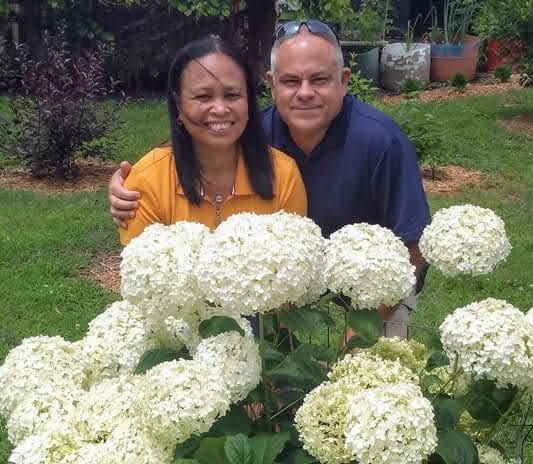
Let’s Dance hydrangea is promoted as a reblooming hydrangea that can flower on both old and new wood. That sounds like a promise of nonstop flowers, but reblooming does not mean the shrub will stay completely covered in fresh blooms every day from spring through fall.
The first flowers usually develop from buds formed on older stems during the previous growing season. Later flowers may appear on new stems produced during the current season. This second round gives a Let’s Dance hydrangea another opportunity to bloom if winter cold, a late freeze, or another problem damages some of its older flower buds.
Quick Answer: Does Let’s Dance Hydrangea Really Rebloom? Yes. Let’s Dance hydrangeas can flower on both old wood and new wood, which gives them another chance to bloom if winter cold, late freezes, or pruning damage some of the older flower buds. However, reblooming does not mean nonstop flowers all summer. The amount of repeat flowering depends on the variety, sunlight, moisture, summer heat, pruning, and how well established the plant is.
However, reblooming still depends on healthy growth, sufficient sunlight, dependable moisture, careful pruning, and enough time for the shrub to become established. Understanding how the process really works can help you get better results without expecting the impossible.
- What Is a Let’s Dance Hydrangea?
- How Does Let’s Dance Hydrangea Rebloom?
- The Truth About Let’s Dance Hydrangea Reblooming
- Why the First Blooms Are Usually the Heaviest
- Winter Damage Does Not Always Mean No Flowers
- Pruning Can Make or Break the Flower Display
- Deadheading May Help, but It Does Not Create Reblooming
- Let’s Dance Hydrangeas Still Need Enough Sun
- Consistent Moisture Supports Later Flowers
- Summer Heat Can Temporarily Slow Reblooming
- Too Much Fertilizer Can Work Against You
- A New Let’s Dance Hydrangea May Need Time
- Flower Color and Reblooming Are Separate Issues
- Let’s Dance Sky View
- Let’s Dance Can Do!
- Why a Let’s Dance Hydrangea May Not Rebloom
- How to Encourage More Reblooming
- Is Let’s Dance Hydrangea Worth Planting?
- The Honest Answer About Reblooming
What Is a Let’s Dance Hydrangea?
Let’s Dance is a collection of reblooming bigleaf and bigleaf-mountain hydrangea hybrids developed and sold by Proven Winners. It is not the name of one individual hydrangea.
The collection includes cultivars with different flower forms, mature sizes, colors, and reblooming habits. Some produce traditional rounded mophead flowers, while others have lacecap-style blooms.
Depending on the variety and soil conditions, flowers may appear in shades of:
- Blue
- Pink
- Purple
- Lavender
- Violet
- Red-pink
Most members of the series are relatively compact shrubs suited to foundation beds, mixed borders, cottage gardens, and large containers.
The feature that connects the collection is its ability to flower from old wood and produce additional flowers from new growth. Proven Winners explains that this dual blooming habit gives the plants another chance to flower even when some overwintered buds are lost.
Explore the official Let’s Dance hydrangea collection from Proven Winners to compare the different varieties, flower forms, colors, and mature sizes.
How Does Let’s Dance Hydrangea Rebloom?
To understand reblooming, it helps to understand the difference between old and new wood.
Old wood refers to stems that grew during the previous year. Traditional bigleaf hydrangeas form most of their flower buds on these older stems during late summer and fall. Those buds must survive winter before opening the following year.
New wood refers to stems produced during the current growing season. A reblooming bigleaf hydrangea can form additional flower buds on this fresh growth.
A Let’s Dance hydrangea may therefore have two flowering phases:
- An earlier display from buds carried through winter on old stems
- A later display from buds formed on new growth
These phases may overlap, or there may be a pause between them. The exact pattern depends on the cultivar, climate, winter damage, sunlight, moisture, and the strength of the plant’s new growth.
NC State Extension explains that most bigleaf hydrangeas flower primarily on old wood, while cultivars classified as rebloomers can produce another round of flowers later in summer on new growth.

The Truth About Let’s Dance Hydrangea Reblooming
The truth is that reblooming provides another opportunity to flower, not a guarantee of nonstop flowers.
A healthy, mature Let’s Dance hydrangea may produce an impressive early display followed by new buds and flowers later in the season. Another plant may produce a strong first bloom but only a few scattered flowers afterward.
A newly planted shrub may spend much of its energy developing roots instead of creating repeated waves of flowers. A plant exposed to intense afternoon heat may stop growing during the hottest part of summer. One that is pruned too heavily may lose both old flower buds and much of the framework needed to support vigorous new growth.
Reblooming is real, but its performance varies. The best way to encourage it is to keep the plant healthy and actively growing without forcing it with excessive fertilizer.
Why the First Blooms Are Usually the Heaviest
The first display is often the most impressive because many flower buds were formed and stored on the stems during the previous year.
When spring arrives, those buds can open as the plant leafs out. The shrub does not need to produce an entirely new stem before developing those flowers.
Later blooms require more steps. The hydrangea must:
- Produce healthy new shoots
- Develop enough leaves to support growth
- Form new flower buds
- Allow those buds to mature
- Open the flowers before the season ends
That process takes time. It can be slowed by drought, extreme heat, deep shade, poor soil, root damage, or repeated wilting.
This is why the later display may consist of scattered fresh blooms rather than another full flush covering the entire plant.
Winter Damage Does Not Always Mean No Flowers
Traditional bigleaf hydrangeas can fail to bloom when winter cold or a late freeze damages their old-wood flower buds.
A reblooming Let’s Dance hydrangea has an advantage because it can still produce flowers on new stems. Even if the earliest display is reduced, later growth may create another round of buds.
That does not mean the entire shrub is immune to cold. Severe damage can weaken stems, delay growth, and reduce the amount of energy available for flowering.
Some cultivars have been bred for especially durable buds. Let’s Dance Sky View, for example, was selected for its ability to preserve old-wood buds while continuing to form new flowers. It is listed for USDA zones 4 through 9 and was extensively trialed from Michigan to Florida.
Pruning Can Make or Break the Flower Display
Pruning is one of the most common reasons a reblooming bigleaf hydrangea produces fewer flowers than expected.
Even though Let’s Dance hydrangeas can flower on new wood, they should not be treated like panicle or smooth hydrangeas. Cutting the shrub close to the ground in late winter removes the old stems carrying the earliest flower buds.
It also forces the plant to replace its structure before it can devote energy to later flowers.
The safest approach is to prune as little as possible.
In spring, wait until new leaves begin appearing and it becomes clear which stems are alive. Remove only wood that is unquestionably dead. Healthy stems should remain unless they are damaged or creating a serious structural problem.
After the first flowering period, you may lightly trim an unruly stem or remove faded flowers. Avoid major reshaping, especially late in the season.
UGA Extension advises that bigleaf hydrangeas bloom on old wood and should be pruned immediately after flowering when pruning is truly necessary. Cutting at the wrong time may remove buds intended for the following year.
Deadheading May Help, but It Does Not Create Reblooming
Removing old flowers can improve the shrub’s appearance and may redirect some energy away from seed development. However, deadheading does not turn a non-reblooming hydrangea into a rebloomer, nor does it guarantee a new flower beneath every faded bloom.
To deadhead, follow the flower stem down to the first healthy pair of leaves and make a clean cut just above them. Do not cut deeply into the shrub or shorten healthy stems unnecessarily.
You can also leave the aging flowers in place. Hydrangea blooms often remain attractive as their colors soften and change.
Deadheading is optional. Healthy new growth, rather than removal of old flowers alone, is what supports the later display.
Let’s Dance Hydrangeas Still Need Enough Sun
Bigleaf hydrangeas are often described as shade plants, but heavy shade can reduce flowering.
Most Let’s Dance hydrangeas perform best with several hours of sunlight. Morning sun followed by afternoon shade is often ideal in hot climates. In cooler areas, some cultivars can tolerate more direct sun when the soil stays consistently moist.
A plant in too much shade may produce:
- Plenty of leaves but few flowers
- Long, weak stems
- Slow growth
- Reduced reblooming
- A loose or leaning shape
A plant in excessive afternoon sun may suffer from leaf scorch, rapid wilting, and prematurely browned flowers.
The goal is to provide enough light to support strong growth without exposing the shrub to extreme reflected heat. Bigleaf hydrangeas generally perform best in partial or dappled light with protection from harsh afternoon sun.
Consistent Moisture Supports Later Flowers
New flowers cannot develop without healthy new growth, and healthy growth requires dependable moisture.
Let’s Dance hydrangeas prefer soil that remains evenly moist but drains well. Their broad leaves can lose water quickly during hot weather, particularly when the plants receive direct sun.
Water deeply when the soil begins to dry rather than giving the shrub a quick surface sprinkling every day. A two- to three-inch layer of organic mulch can help hold moisture and keep the roots cooler.
Keep mulch a few inches away from the main stems.
Be careful not to overwater. Constantly saturated soil reduces oxygen around the roots and can lead to yellow leaves, weak growth, and poor flowering.
For help deciding whether your plant is thirsty or simply reacting to heat, read Do Hydrangeas Need a Lot of Water? Avoid These Mistakes.
Summer Heat Can Temporarily Slow Reblooming
A Let’s Dance hydrangea may stop producing noticeable new growth during the hottest part of summer, especially in Southern gardens.
This does not necessarily mean reblooming has failed. The plant may be conserving moisture and energy until conditions improve.
During a period of extreme heat:
- Keep the root zone evenly moist
- Maintain a layer of mulch
- Avoid heavy pruning
- Do not force growth with extra fertilizer
- Protect the plant from intense afternoon sun when possible
When temperatures moderate, the shrub may resume growth and produce additional buds.
This is one reason reblooming may look different in Georgia than it does in Michigan. The genetics are the same, but the growing season and periods of heat stress are not.
Too Much Fertilizer Can Work Against You
It is tempting to fertilize a reluctant hydrangea repeatedly, but more fertilizer does not always mean more flowers.
Excess nitrogen can produce large leaves and rapid green growth at the expense of buds. Soft, overfed stems may also wilt more easily and become less prepared for winter.
When fertilizer is needed, apply an appropriate granular product in early spring according to the label. A second light application may be suitable in late spring for some plants and soils.
Avoid fertilizing late in summer. Late feeding may encourage tender growth that does not harden properly before cold weather.
Proven Winners recommends spring feeding for Let’s Dance hydrangeas and cautions against fertilizing after late July because it may interfere with dormancy.
A soil test is the best way to determine whether your garden actually needs additional nutrients.
A New Let’s Dance Hydrangea May Need Time
A newly planted hydrangea does not always demonstrate its full reblooming potential during the first season.
Transplanting disrupts the root system. The shrub must adjust to different soil, sunlight, moisture, and temperatures. It may produce a few flowers while putting most of its energy into becoming established.
Give a new plant time to develop before deciding it has failed.
During the first growing season:
- Check the root ball regularly for moisture
- Water deeply without saturating the soil
- Keep weeds away from the root zone
- Apply mulch
- Avoid major pruning
- Do not overfertilize
- Protect the plant from severe heat stress
Performance often improves as the root system spreads into the surrounding soil.
Flower Color and Reblooming Are Separate Issues
A Let’s Dance hydrangea can rebloom whether its flowers are pink, blue, lavender, or purple. Flower color and reblooming are controlled by different factors.
Color in many bigleaf hydrangeas is influenced by soil chemistry and the availability of aluminum.
In general:
- Acidic soil with available aluminum encourages blue or purple tones.
- Neutral or alkaline soil usually produces pink or red-pink flowers.
- White flowers generally remain white regardless of soil pH.
Do not add lime or aluminum sulfate without testing the soil first. Unnecessary amendments can damage the plant, disrupt nutrient availability, and create soil problems that are difficult to reverse.
Changing the color also takes time. Amendments applied today may not alter flowers that have already formed.
Let’s Dance Sky View
Let’s Dance Sky View is one of the most talked-about members of the collection.
It produces mophead flowers that can appear pink in alkaline conditions and shift toward sky blue when grown in suitably acidic soil with available aluminum. It generally matures at approximately two to three feet tall and two to four feet wide.
Sky View was selected for durable buds and its ability to continue forming flowers through summer. Its compact habit makes it useful in smaller gardens and large containers.
This cultivar may be particularly appealing to gardeners who want:
- A compact bigleaf hydrangea
- Mophead flowers
- A variety that shifts readily toward blue
- Strong reblooming potential
- A plant suited to both containers and garden beds
Let’s Dance Can Do!
Let’s Dance Can Do! has a different approach to reliable flowering.
Instead of forming flower buds only near the ends of the stems, it can develop buds along much of the stem. If winter damages the upper portion, buds farther down may survive and open.
It also has a reputation for producing its later flowers relatively quickly. The blooms are lacecap in form, although the large decorative florets can make the flower heads look fuller than a traditional lacecap.
Flower color ranges from strawberry pink in neutral or alkaline conditions to lavender or violet-purple in acidic soil. Proven Winners lists it at approximately three to four feet tall and wide.
Why a Let’s Dance Hydrangea May Not Rebloom
A plant that flowers once and then stops may be dealing with one or more of these conditions:
- It is newly planted and still establishing roots.
- It receives too much shade.
- Summer heat has slowed its growth.
- The soil repeatedly dries out.
- The roots remain too wet.
- Too much nitrogen is encouraging leaves instead of flowers.
- Deer have eaten new stems and buds.
- The shrub was pruned too heavily.
- The growing season is too short for late buds to mature.
- The plant is weak from winter damage or transplant stress.
Begin by checking the growing conditions rather than immediately adding fertilizer.
Look at sunlight, soil moisture, drainage, pruning history, and the condition of the new stems. Reblooming requires active, healthy growth, so anything that repeatedly interrupts that growth can reduce the later display.
How to Encourage More Reblooming
The best approach is not a secret fertilizer or pruning trick. It is steady care throughout the growing season.
Plant your Let’s Dance hydrangea where it receives morning sun and afternoon protection in hot climates. Keep the soil evenly moist, use mulch, and avoid severe pruning.
Remove only dead wood in spring. Feed moderately rather than heavily. Protect new growth from deer, because browsing can remove future flowers before the buds become visible.
Most importantly, be patient. A healthy shrub with an established root system is far more capable of producing repeated flowers than a stressed plant struggling to survive.
Is Let’s Dance Hydrangea Worth Planting?
Let’s Dance hydrangea can be a good choice for gardeners who love the rounded or lacecap flowers of bigleaf hydrangeas but want more dependable blooming.
Its ability to flower on new growth provides some protection against bud loss. The collection also offers several colors, flower forms, and compact sizes.
It may be right for you when you want:
- Blue, pink, purple, or lavender blooms
- A compact flowering shrub
- Old-wood and new-wood flowering
- Mophead or lacecap options
- A hydrangea for partial sun
- Additional flowers later in summer
It may not be the best choice for a dry location, deep shade, intense unprotected afternoon sun, or a landscape where deer regularly browse new growth.
The Honest Answer About Reblooming
Let’s Dance hydrangea truly can rebloom, but it should not be expected to remain completely covered in fresh flowers all summer.
The first display usually comes from buds formed on old stems. Later flowers develop on new growth, giving the plant another chance to bloom after winter damage or the first flush.
How well it reblooms depends on the variety, plant age, sunlight, moisture, heat, pruning, and overall health. Some plants produce a strong second display, while others add only scattered fresh flowers.
Give the shrub sufficient light, consistent moisture, minimal pruning, and time to establish. With the right conditions, a Let’s Dance hydrangea can provide a longer and more dependable display than many traditional bigleaf varieties.
For more seasonal guidance, read How Long Do Hydrangeas Bloom? How to Extend the Season and visit our complete guide to growing hydrangeas.