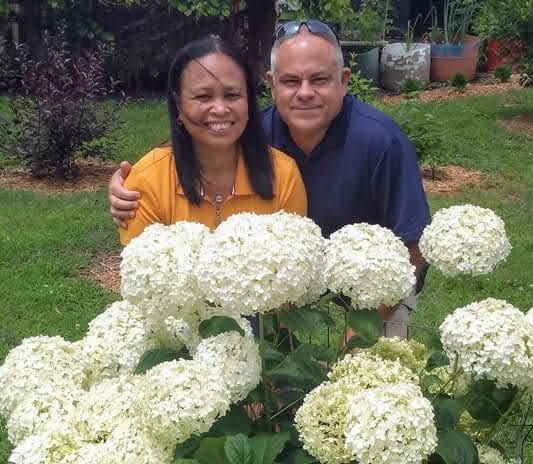
Hydrangeas can put on one of the prettiest shows in a Southern garden. Their large flowers brighten shady borders, sunny beds, porches, and foundation plantings. Most people want to know how long do hydrangeas bloom?
Naturally, most of us would like that show to last as long as possible.
How long do hydrangeas bloom? Most hydrangeas produce flowers that remain attractive for several weeks, while some varieties can provide color from early summer into fall. The exact bloom period depends on the type of hydrangea, your climate, sunlight, weather, and plant care. Although no hydrangea produces brand-new flowers continuously all summer, the right growing conditions can help blooms last longer and keep the shrub looking colorful for months.
The honest truth is that no gardening trick can make every hydrangea produce fresh flowers continuously from spring through fall. Some varieties naturally bloom once. Others can produce a second round of flowers. Panicle hydrangeas often hold their aging blooms for months, even though those flowers are not brand-new.
Proper care can still help hydrangeas bloom longer, keep flowers attractive, and reduce the stress that causes blooms to fade early.
At Bobby & Lynn’s Plant Farm in Dallas, Georgia, we’ve found that the longest-lasting displays usually come from choosing the right hydrangea for the location. Good sunlight, steady moisture, proper pruning, and realistic expectations matter much more than adding another fertilizer.
Quick Answer
To help hydrangeas bloom longer during summer:
- Identify the type of hydrangea you are growing.
- Give bigleaf hydrangeas morning sun and afternoon shade.
- Provide panicle hydrangeas with enough sunlight to flower well.
- Keep the soil evenly moist without leaving it constantly soggy.
- Apply two to three inches of mulch over the root area.
- Remove faded flowers carefully when appropriate.
- Avoid pruning at the wrong time.
- Protect developing buds from late freezes when possible.
- Use fertilizer lightly.
- Reduce heat and drought stress.
- Allow aging flowers to change color naturally.
Reblooming varieties may produce another round of flowers. Traditional old-wood hydrangeas usually flower once from buds formed during the previous season.
About Bobby & Lynn

How Long Do Hydrangeas Bloom?
How long do hydrangeas bloom? Most individual hydrangea flower clusters remain attractive for several weeks, but the shrub’s overall bloom season can last much longer. Depending on the type of hydrangea, your climate, and the growing conditions, blooms may begin in late spring or early summer and remain colorful into fall.
Bigleaf hydrangeas often bloom for several weeks in early to midsummer, while reblooming varieties may produce additional flowers later in the season. Smooth hydrangeas usually begin blooming in early summer and may continue producing flowers when faded blooms are removed. Panicle hydrangeas generally start later, but their sturdy flower clusters can remain attractive from summer well into fall. Oakleaf hydrangeas typically bloom in early summer, with the aging flowers often changing color as the season progresses.
It is also important to understand that hydrangeas do not always produce fresh flowers continuously all summer. In many cases, the same flower clusters remain on the shrub for weeks while gradually changing from their original color to shades of green, pink, tan, or burgundy. Proper watering, suitable sunlight, and protection from extreme heat can help those blooms stay attractive longer.

Can Hydrangeas Really Bloom All Summer?
Some hydrangeas can provide color for much of summer, but that does not always mean they are continuously producing new flowers.
A long display can come from three different things:
- Individual flowers remaining attractive for several weeks
- New flower clusters opening at different times
- A reblooming variety producing another flush later
These are not the same process.
Panicle hydrangeas may hold their flower clusters for months as the blooms change from green or white to pink, rose, tan, or brown.
A reblooming bigleaf hydrangea may produce early flowers from old stems and additional flowers from new growth.
A traditional bigleaf or oakleaf hydrangea may produce one main flush. Once those flowers finish, the plant may not generate another full display until the following year.
Understanding the type you have prevents a heap of disappointment.
Know Which Hydrangea You Are Growing
The first step toward a longer bloom season is identifying your hydrangea.
| Hydrangea type | Typical flower shape | Blooms on | General bloom pattern |
|---|---|---|---|
| Bigleaf | Rounded mophead or lacecap | Usually old wood | One main flush |
| Reblooming bigleaf | Rounded mophead or lacecap | Old and new wood | Early flowers with possible repeat blooms |
| Panicle | Cone-shaped clusters | New wood | Long summer display with aging color |
| Smooth | Rounded clusters | New wood | Main summer flush with possible later flowers |
| Oakleaf | Cone-shaped clusters | Old wood | Early-summer flowers with attractive aging blooms |
| Mountain | Smaller mophead or lacecap | Usually old wood; some rebloom | One main flush or limited reblooming |
The UGA Extension guide to identifying and pruning hydrangeas explains why bloom wood and hydrangea type are so important.
Which Hydrangeas Are Most Likely to Rebloom?
Reblooming Bigleaf Hydrangeas
Some newer bigleaf hydrangeas can flower on both old wood and new wood.
Popular reblooming types include varieties from lines such as:
- Endless Summer
- Let’s Dance
- BloomStruck
- Forever & Ever
Old stems may produce the first flowers. New growth may develop additional buds later in the season.
Reblooming is still affected by:
- Sunlight
- Moisture
- Summer heat
- Plant age
- Fertilizer
- Pruning
- Winter damage
- Late freezes
- Length of the growing season
A reblooming label means the plant has the ability to flower again. It does not guarantee that every plant will remain covered with blooms all summer.
Read How to Grow Endless Summer Hydrangea in Georgia for more help with one of the most familiar reblooming hydrangeas.
Panicle Hydrangeas
Panicle hydrangeas bloom on new wood and often provide one of the longest displays.
Popular varieties include:
- Limelight
- Little Lime
- Bobo
- Phantom
- Pink Diamond
- Vanilla Strawberry
- Strawberry Sundae
- Quick Fire
- Berry White
Their flower clusters may remain on the shrub for months. As they mature, they often change from green or creamy white to pink, rose, burgundy, tan, or brown.
The flowers are not necessarily being replaced continuously. The original blooms are changing color and aging attractively.
That long seasonal transformation is one reason panicle hydrangeas are so valuable in a summer landscape.
Smooth Hydrangeas
Smooth hydrangeas, including Annabelle, bloom on new wood.
They normally produce a strong early-summer display. Careful deadheading and healthy new growth may encourage additional flowers, although later blooms may be smaller or less numerous.
Traditional Bigleaf Hydrangeas
Traditional bigleaf hydrangeas such as Nikko Blue usually bloom mainly on old wood.
They may produce a beautiful early-summer display, but they should not be expected to generate repeated flushes like a reblooming cultivar.
Their existing flowers can still remain attractive for weeks when the plant receives suitable light and moisture.
Oakleaf Hydrangeas
Oakleaf hydrangeas usually produce one main flush of cone-shaped flowers.
Those flowers often remain attractive as they age from white to pink, rose, green, tan, or brown.
Oakleaf hydrangeas offer more than summer blooms. Their large leaves can develop rich fall color, while mature branches reveal peeling bark during winter.
Longer-Lasting Flowers and New Flowers Are Different
A bloom that stays attractive for six weeks is not the same as a plant producing six weeks of new flowers.
Several kinds of hydrangeas are valued because the flower clusters age gradually.
A healthy panicle hydrangea may appear to bloom for months because:
- New clusters open at slightly different times.
- Older flowers remain attached.
- White flowers slowly develop pink tones.
- Pink flowers deepen to rose or burgundy.
- Dried clusters remain decorative into fall and winter.
Deadheading those flowers too early may actually shorten the visual display.
Before removing a flower, decide whether it is truly unattractive or simply moving into its next color stage.
Give Hydrangeas the Right Amount of Sunlight
Sunlight plays a major role in flowering.
Too little light can reduce the number of flower buds. Too much harsh sun can cause flowers to fade, wilt, or brown early.
Bigleaf and Mountain Hydrangeas
These hydrangeas usually perform best in Georgia with:
- Morning sunlight
- Bright filtered light
- Afternoon shade
- Protection from hot western exposure
- Shelter from reflected heat
A location receiving three to five hours of morning sun may work well.
Deep shade can produce healthy-looking foliage but very few flowers. Strong afternoon sun can cause repeated heat stress.
Panicle Hydrangeas
Panicle hydrangeas tolerate more direct sun.
They often flower best with:
- Four to six or more hours of sunlight
- Consistent moisture
- Good airflow
- Some afternoon protection in especially hot locations
A panicle hydrangea in deep shade may produce fewer flowers and weaker stems.
Oakleaf Hydrangeas
Oakleaf hydrangeas perform well in morning sun, filtered light, or partial shade.
Some sunlight encourages better flowering and stronger fall color. Harsh afternoon exposure may scorch foliage and shorten the life of the flowers.
Protect Hydrangeas From Reflected Heat
A location can be much hotter than the reported air temperature.
Brick walls, driveways, sidewalks, stone borders, and light-colored siding absorb and reflect heat toward nearby plants.
A hydrangea growing beside pavement may experience:
- Faster moisture loss
- Hotter leaves and flowers
- Brown bloom edges
- Leaf scorch
- More frequent afternoon wilting
- A shorter flower display
Morning sun in an open bed is not the same as late-afternoon sun beside a hot driveway.
When a hydrangea repeatedly struggles despite adequate watering, study the entire location—not just the hours of sunlight.
Keep the Soil Evenly Moist
Steady moisture helps flowers last longer.
Repeated cycles of severe dryness followed by heavy watering can stress the roots and shorten the bloom season.
Hydrangeas generally prefer soil that stays evenly moist but drains properly.
Newly planted hydrangeas need especially close attention because their roots are still concentrated inside the original root ball.
Check the original root ball
Container-grown potting mix may dry faster than the surrounding Georgia clay.
The soil beside the plant may feel damp while the middle of the original root ball is dry.
Check both areas before deciding whether the plant needs water.
Water deeply
Apply water slowly enough to soak the root zone.
Frequent shallow sprinkling may wet only the soil surface. Deeper watering encourages roots to spread into the surrounding ground.
Do not water automatically
Afternoon wilting does not always mean the plant needs water.
Bigleaf hydrangeas commonly droop during hot afternoons, even when the soil remains moist. When the plant recovers after sunset and looks normal the next morning, temporary heat stress may be the cause.
Check the soil before reaching for the hose.
Read Why Hydrangeas Wilt in Summer and How to Fix It for help separating ordinary afternoon drooping from true water stress.
Avoid Keeping the Roots Constantly Wet
Hydrangeas enjoy moisture, but their roots still need oxygen.
Soil that remains saturated may cause:
- Yellow leaves
- Weak growth
- Wilting despite wet soil
- Dead stems
- Root rot
- Fewer flowers
- Gradual decline
Heavy Georgia clay can hold water for a long time after rain.
Before watering, feel the soil several inches below the surface. When the ground is still wet, adding more water may make the problem worse.
The goal is steady moisture—not a permanent mud puddle.
Add Mulch Around the Root Area
Apply two to three inches of organic mulch around the hydrangea.
Mulch can:
- Slow moisture loss
- Keep the soil cooler
- Reduce weed competition
- Protect shallow roots
- Limit soil splashing onto leaves
- Improve the soil gradually as it breaks down
Spread mulch over a wide area, but keep it several inches away from the stems.
Mulch piled against the plant can trap moisture around the bark and contribute to decay.
A wide, shallow mulch ring is much better than a mulch volcano.
Should You Deadhead Hydrangeas?
Deadheading means removing an old flower without cutting deeply into the shrub.
It may improve appearance and can sometimes encourage additional flowers on reblooming, smooth, and panicle hydrangeas.
However, deadheading is not a guaranteed way to create more blooms.
When deadheading may help
Deadheading may be useful when:
- The flower is completely faded or damaged.
- The plant is a reblooming variety.
- Healthy new growth is still developing.
- The shrub has enough time left in the growing season.
- You want a tidier appearance.
When leaving flowers is better
Leave the flowers in place when:
- They are developing attractive pink or rose tones.
- You enjoy dried fall and winter flowers.
- The plant is already heat or drought stressed.
- The bloom is aging naturally but still attractive.
- Late summer has arrived on an old-wood hydrangea.
- Removing the flower might lead to accidental pruning.
To deadhead safely:
- Follow the flower stem downward.
- Find the first healthy pair of leaves or buds.
- Cut just above that point.
- Avoid removing a long section of stem.
Read When to Deadhead Hydrangeas: 5 Simple Rules to Follow before cutting faded flowers.
Deadheading Cannot Correct Poor Growing Conditions
Removing old flowers will not fix:
- Deep shade
- Harsh afternoon sun
- Dry soil
- Poor drainage
- Excessive fertilizer
- Freeze-damaged buds
- Incorrect pruning
- A hydrangea that naturally blooms only once
Think of deadheading as light housekeeping, not a magic trick.
The plant still needs healthy roots, suitable light, and enough growing time to produce another flower.
Prune According to the Hydrangea Type
Pruning at the wrong time is one of the fastest ways to lose flowers.
Old-wood hydrangeas
Bigleaf and oakleaf hydrangeas generally form next year’s flower buds on stems grown during the current season.
Prune these shortly after flowering and only when needed.
Avoid routine pruning during:
- Fall
- Winter
- Early spring
Late pruning may remove the buds responsible for the next year’s flowers.
New-wood hydrangeas
Panicle and smooth hydrangeas develop flowers on the current season’s growth.
They may be pruned in late winter or early spring before new growth begins.
Even these hydrangeas do not require severe yearly pruning.
Cutting panicle hydrangeas too hard can produce long, weak stems that bend beneath heavy flowers.
Reblooming bigleaf hydrangeas
Reblooming bigleaf hydrangeas can flower on old and new wood.
That makes them more forgiving, but the living old stems still matter. Those stems usually produce the earliest flowers.
Wait until spring growth clearly shows which portions are alive before removing bare stems.
Protect Flower Buds From Late Freezes
Late freezes can damage developing buds and reduce the first flower display.
This is especially important for bigleaf and oakleaf hydrangeas that carry buds on old stems.
When warm winter or early-spring weather encourages buds to swell, a sudden temperature drop may cause:
- Blackened buds
- Wilted new leaves
- Dead stem tips
- Fewer early flowers
- Delayed growth
When a late freeze is predicted:
- Cover smaller plants with frost cloth, sheets, or lightweight blankets.
- Extend the covering to the ground.
- Remove the covering after temperatures rise.
- Avoid placing plastic directly against the foliage.
- Move container hydrangeas into a protected location.
Reblooming hydrangeas may still produce later flowers from new growth, even when the first buds are damaged.
Use Fertilizer Lightly
More fertilizer does not automatically create more flowers.
Too much nitrogen can produce:
- Large green leaves
- Fast, soft stems
- Fewer flowers
- Greater water needs
- Floppy growth
- Increased disease pressure
A healthy hydrangea may need only a light application of balanced slow-release fertilizer in spring.
Avoid heavy feeding during extreme summer heat or drought. Tender new growth requires additional moisture and may be more vulnerable to stress.
When a hydrangea has healthy dark green leaves but no flowers, the cause may be:
- Incorrect pruning
- Deep shade
- Freeze damage
- Plant age
- Excess nitrogen
- The wrong hydrangea for the location
Adding more fertilizer may make the leafy growth even heavier without producing a single extra bloom.
A soil test is the best way to determine whether a nutrient or pH adjustment is actually needed.
Do Not Expect Fertilizer to Change Every Flower Color
Bigleaf and mountain hydrangeas may produce blue, purple, or pink blooms depending on soil chemistry and aluminum availability.
Panicle, smooth, and oakleaf hydrangeas do not change from blue to pink based on soil pH.
Color-changing products will not turn Limelight blue or Annabelle pink.
Before adding lime, sulfur, or aluminum sulfate, identify the hydrangea and test the soil.
Read How to Turn Bigleaf Hydrangeas Blue, Pink, or Purple for complete guidance.
Allow New Hydrangeas Time to Become Established
A newly planted hydrangea may not produce its best display immediately.
During the first season, the plant may direct much of its energy toward:
- Developing roots
- Recovering from transplant stress
- Adjusting to new sunlight
- Establishing new stems
- Adapting to the surrounding soil
A small first-year flower display does not necessarily mean anything is wrong.
Consistent care during establishment often leads to better flowering in future seasons.
Focus on healthy roots rather than forcing the plant with extra fertilizer.
Protect Flowers From Overhead Watering
Repeated overhead watering may shorten the life of hydrangea flowers.
Wet flowers can become heavy, flop downward, develop brown spots, or dry unevenly. Wet leaves may also encourage fungal disease during warm, humid weather.
Water near the soil whenever possible.
A soaker hose, drip line, watering wand, or slowly running hose can deliver moisture to the roots without soaking every flower.
Rain will naturally wet the plant. There is no need to add more leaf and flower moisture every time you irrigate.
Improve Airflow Around the Shrub
Crowded hydrangeas may develop more leaf spot, powdery mildew, and weak interior growth.
Good airflow helps foliage dry after rain and reduces the humid conditions that encourage certain diseases.
Improve airflow by:
- Allowing room for the mature shrub
- Keeping companion plants away from the main stems
- Removing dead and crossing branches at the proper time
- Avoiding dense walls of nearby shrubs
- Keeping mulch below the lowest branches
- Choosing a hydrangea that fits the planting space
Do not remove large amounts of healthy growth during summer simply to increase airflow. Match any pruning to the hydrangea type.
Remove Damaged Flowers After Severe Weather
Summer storms can bend stems, bruise flowers, and leave large blooms resting on the ground.
Remove flowers that are:
- Broken
- Torn apart
- Rotting
- Bent on damaged stems
- Covered with persistent disease
- No longer attractive
When the stem is healthy, cut only the damaged flower and a short section below it.
Do not turn storm cleanup into heavy pruning on an old-wood hydrangea.
Why Hydrangea Flowers Turn Brown Early
Hydrangea flowers may brown because of:
- Natural aging
- Strong afternoon sun
- Dry soil
- Hot wind
- Reflected heat
- Repeated overhead watering
- Transplant stress
- Sudden temperature changes
- Root damage
- Heavy rain
Natural aging usually happens gradually. Flowers may fade, develop green or pink tones, and then turn tan or brown.
Stress-related browning may appear quickly, especially along the edges exposed to strong sunlight.
Check the soil, sunlight, and recent weather before deciding that the plant has a disease.
What We See at Our Plant Farm
At Bobby & Lynn’s Plant Farm, one of the biggest misunderstandings we see is the belief that every hydrangea should keep producing fresh flowers all summer.
Some simply do not grow that way.
A traditional bigleaf hydrangea may put on one beautiful show and then spend the rest of summer developing the stems and buds needed for next year.
A panicle hydrangea may appear to bloom for months because its original flower clusters remain attractive as they change color.
A reblooming hydrangea may produce more flowers, but only when the plant has enough light, moisture, time, and healthy new growth.
We also see people respond to fading flowers with fertilizer.
When the plant is already hot, dry, or stressed, fertilizer can encourage tender new growth that needs even more water. Correcting the sunlight or moisture problem usually helps more.
The longest-lasting hydrangea displays come from working with the plant’s natural bloom cycle instead of trying to force it into doing something it was never meant to do.
Reasons a Hydrangea May Stop Blooming Early
A short flower season may be caused by:
- The natural bloom cycle of the variety
- Hot afternoon sun
- Reflected heat
- Dry soil
- Root competition from trees
- Poor drainage
- Heavy fertilizer
- Incorrect pruning
- Late-freeze damage
- A newly planted shrub
- Severe weather
- Flowers aging naturally
The first step is identifying what kind of hydrangea you have.
Read Why Is My Hydrangea Not Blooming? 7 Common Causes when the plant produces few or no flowers.
Hydrangea Summer-Bloom Checklist
Use this checklist when you want to support a longer display:
- Have I identified the hydrangea type?
- Does it naturally rebloom?
- Is it receiving enough light?
- Is it protected from harsh afternoon sun when needed?
- Does the soil stay evenly moist?
- Am I checking the original root ball?
- Does the planting area drain after rain?
- Is there two to three inches of mulch?
- Is mulch kept away from the stems?
- Was the shrub pruned at the correct time?
- Could a late freeze have damaged the buds?
- Has too much fertilizer been applied?
- Are nearby trees competing for moisture?
- Does the shrub have enough airflow?
- Are the flowers truly damaged or simply aging?
Frequently Asked Questions
Will deadheading make hydrangeas bloom again?
Sometimes, but not always.
Deadheading may support reblooming varieties and keep the plant tidy. It will not make a traditional once-blooming hydrangea suddenly produce another full round of flowers.
Which hydrangeas bloom the longest?
Panicle hydrangeas often provide the longest visual display because their flower clusters remain attractive as they change color.
Reblooming bigleaf hydrangeas may produce more than one flush when conditions are favorable.
Do Endless Summer hydrangeas bloom all summer?
They can produce more than one round of flowers, but they may not remain covered in fresh blooms every day.
Weather, pruning, sunlight, plant age, and moisture all affect reblooming.
Should I cut off brown hydrangea flowers?
You can remove them when they are no longer attractive.
Cut just above the first healthy pair of leaves or buds. Avoid cutting deeply into old-wood hydrangeas.
Leaving faded flowers is also acceptable, especially when they provide fall or winter interest.
Does watering make hydrangeas bloom more?
Proper watering supports healthy growth and flowering.
Overwatering will not create more flowers and may damage the roots. Keep the soil evenly moist rather than constantly saturated.
Does fertilizer make hydrangeas rebloom?
Fertilizer cannot change a once-blooming hydrangea into a reblooming variety.
Excess nitrogen may produce more leaves and fewer flowers.
Can hydrangeas bloom again after a late freeze?
Reblooming bigleaf hydrangeas may produce later flowers from new growth.
Panicle and smooth hydrangeas bloom on new wood, so they are generally less dependent on overwintered flower buds.
Traditional bigleaf and oakleaf hydrangeas may lose much of their bloom season when old-wood buds are badly damaged.
Why did my hydrangea stop blooming after I pruned it?
The shrub may bloom on old wood.
Pruning bigleaf or oakleaf hydrangeas during fall, winter, or early spring can remove the flower buds that formed during the previous season.
Should hydrangeas be fertilized while blooming?
A healthy plant usually does not need heavy fertilizer while flowering.
Avoid feeding a shrub that is already stressed by heat, drought, or poor drainage.
Can hydrangeas bloom in deep shade?
They may grow in shade, but flowering is often reduced.
Most hydrangeas need some sunlight or bright filtered light to develop a strong bloom display.
What to Do Next
Begin by identifying the hydrangea and learning its natural bloom pattern.
A traditional bigleaf or oakleaf hydrangea may produce one main display. A reblooming bigleaf hydrangea may flower again from new growth. Panicle hydrangeas often hold their changing flower clusters for much of summer and fall.
Give the plant suitable light, steady moisture, cool mulched soil, and enough room for airflow. Deadhead carefully when it improves the plant’s appearance, but do not expect removing a flower to solve problems caused by shade, drought, excessive fertilizer, or incorrect pruning.
Most importantly, do not judge every fading flower as a failure.
Hydrangea blooms naturally change color and age. Those soft green, dusty pink, rose, tan, and brown stages can add beauty to the landscape long after the flowers first open.
With the right hydrangea in the right location, you can enjoy a longer summer display without forcing the plant beyond its natural limits.
Visit our Hydrangea Care Guide for more help with planting, watering, pruning, sunlight, and common problems.
Discover more from Bobby and Lynn’s Plant Farm
Subscribe to get the latest posts sent to your email.