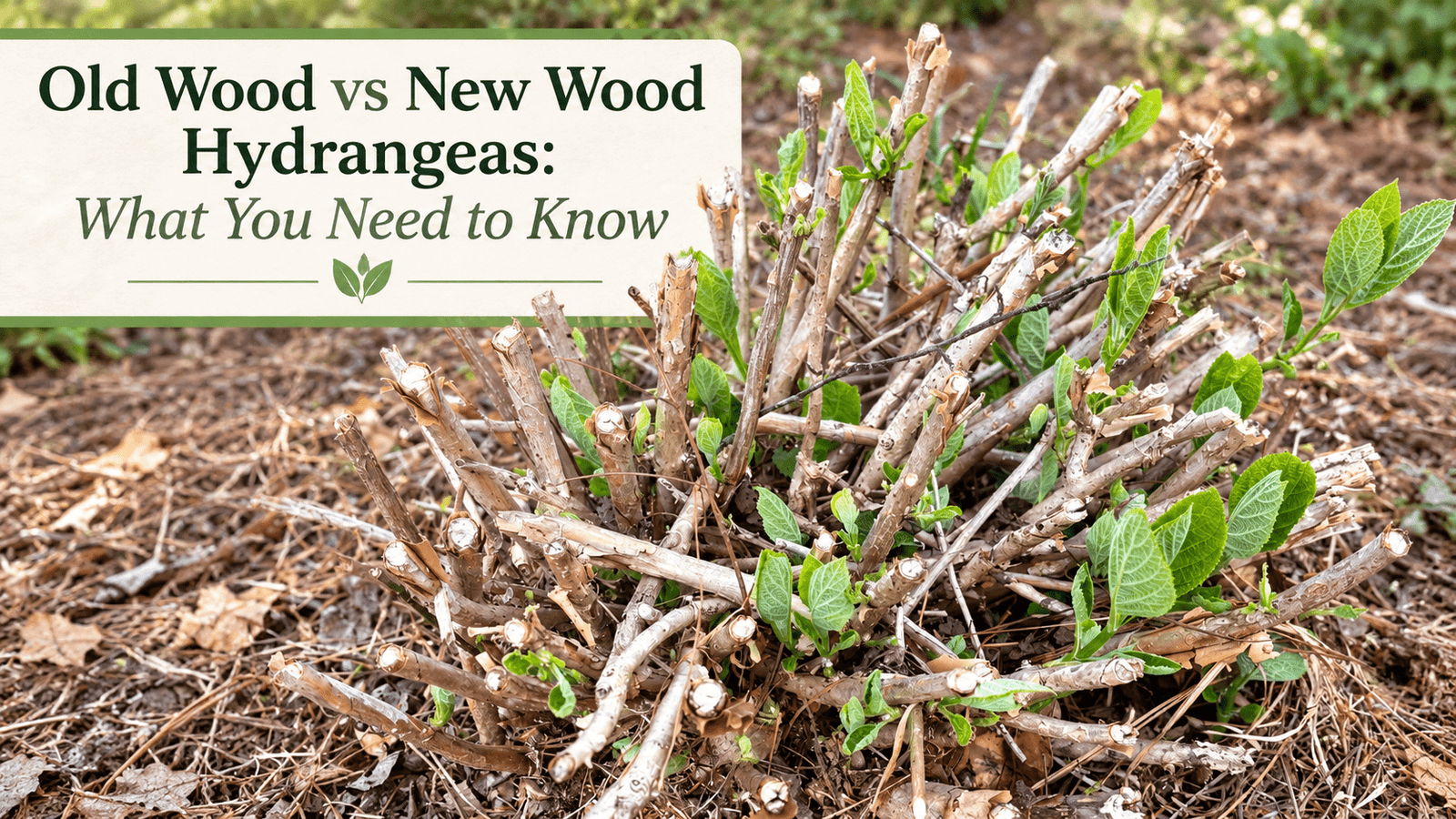
Understanding old wood vs new wood hydrangeas is one of the most useful things you can learn about growing hydrangeas. Some hydrangeas make next year’s flower buds on stems that grew during last year’s growing season. Others grow brand new stems in spring and make their flowers on that fresh growth.
And just to keep things interesting, a few newer hydrangeas can bloom on both.
Around our plant farm here in Georgia, knowing the difference has saved us from making a few cuts we probably would’ve regretted later.
Quick Answer: Old Wood vs New Wood Hydrangeas
Old wood hydrangeas form many of their flower buds on stems that grew during last year’s growing season. Bigleaf and oakleaf hydrangeas are two common examples.
New wood hydrangeas form their flower buds on growth produced during the current growing season. Panicle and smooth hydrangeas are two of the main groups most gardeners will run into.
Why does this matter?
Because pruning an old wood hydrangea at the wrong time can remove the flower buds before they ever get a chance to open.
That’s the kind of gardening lesson most of us would rather learn from somebody else.
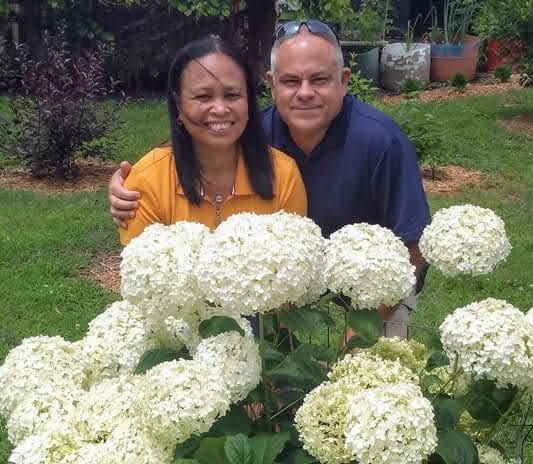
About Bobby & Lynn

What Does Old Wood Mean on a Hydrangea?
Old wood means growth that has been on the plant since the last growing season.
Let’s say your hydrangea grows several new stems this summer. Those stems stay on the plant through fall and winter. By spring, they’re old wood.
Many bigleaf hydrangeas begin forming the buds for next year’s flowers on those stems during late summer and fall.
Those buds stay on the plant through winter and, if everything goes right, open into flowers the next year.
That means if you cut those stems back in fall, winter, or early spring, you may be cutting off next summer’s flowers too.
The plant can still look perfectly healthy later on, but the blooms may already be gone.
Which Hydrangeas Bloom on Old Wood?
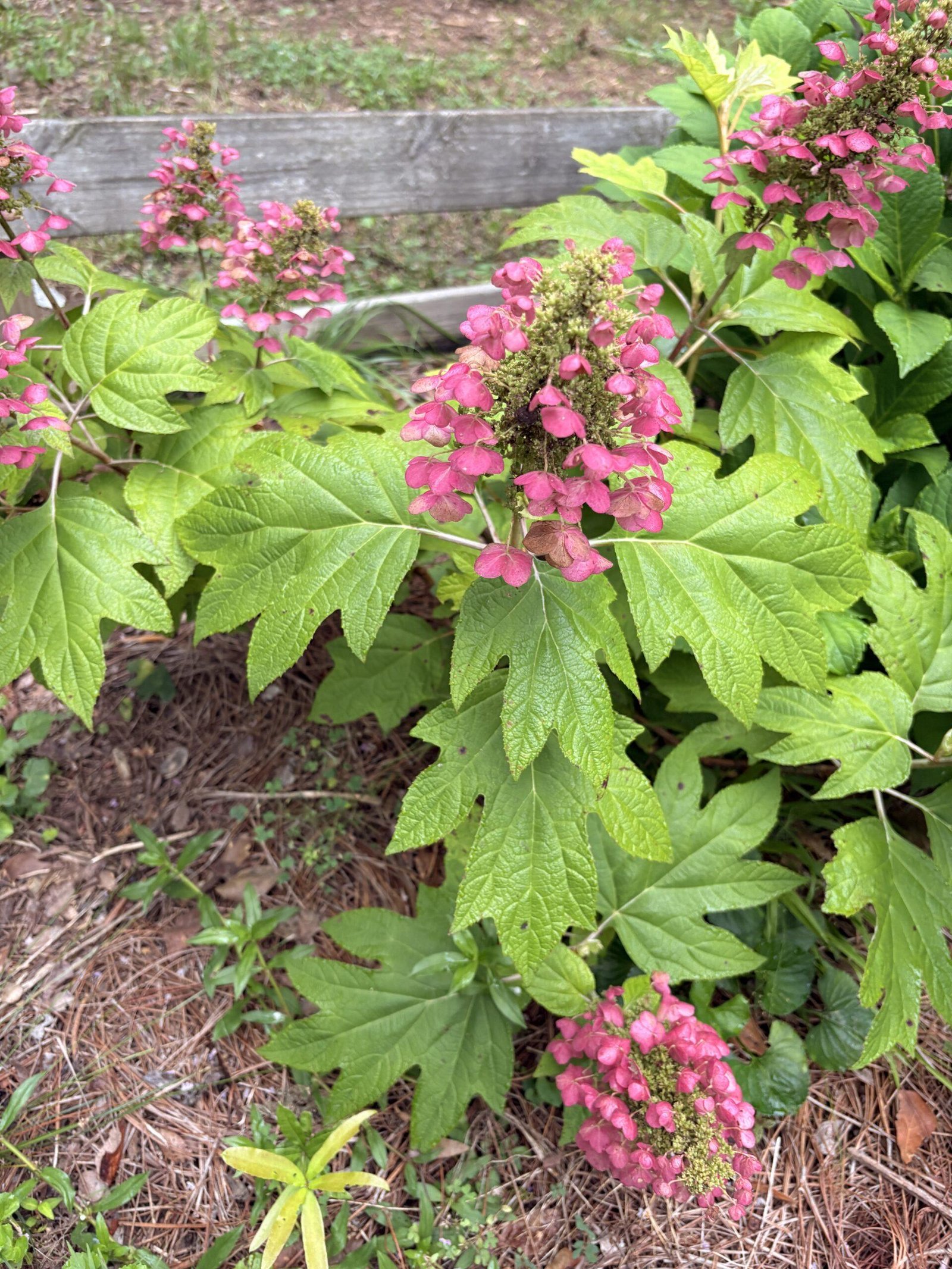
When we talk about old wood vs new wood hydrangeas, there are two old wood groups you really want to remember.
Hydrangea macrophylla, Commonly Known as Bigleaf Hydrangea
Hydrangea macrophylla, commonly known as bigleaf hydrangea, includes many of the mophead and lacecap hydrangeas people grow for their big blue, pink, purple, or white blooms.
Many bigleaf hydrangeas bloom mostly on old wood.
That’s why we’re careful about pruning them.
If one is healthy, blooming well, and fits the space where it’s planted, there may not be much reason to prune it at all other than removing dead stems or cleaning it up a little.
Sometimes the best pruning move is leaving the pruners in the shed.
Hydrangea quercifolia, Commonly Known as Oakleaf Hydrangea
Hydrangea quercifolia, commonly known as oakleaf hydrangea, also blooms on old wood.
Once you get familiar with them, they’re pretty easy to recognize because of those big leaves that look a lot like oak leaves.
We like oakleaf hydrangeas because they give you more than summer flowers. The leaves can put on a beautiful fall show, and the older stems often develop peeling bark that adds some winter interest too.
If an oakleaf hydrangea needs shaping, pruning after it blooms is usually the safer time.
UGA Cooperative Extension also recommends pruning bigleaf and oakleaf hydrangeas after flowering because their flower buds form on old wood.
What Does New Wood Mean on a Hydrangea?
New wood is the fresh growth a hydrangea makes during the current growing season.
These hydrangeas wake up in spring, start pushing out new stems and leaves, and then form their flower buds on that new growth.
That makes new wood hydrangeas a little easier when it comes to pruning.
You can usually prune them in late winter or early spring before the new growing season gets going, and they’ll still make flowers later that year.
They just grow new stems and bloom on those.
Pretty simple once you know what you’re looking at.
Which Hydrangeas Bloom on New Wood?
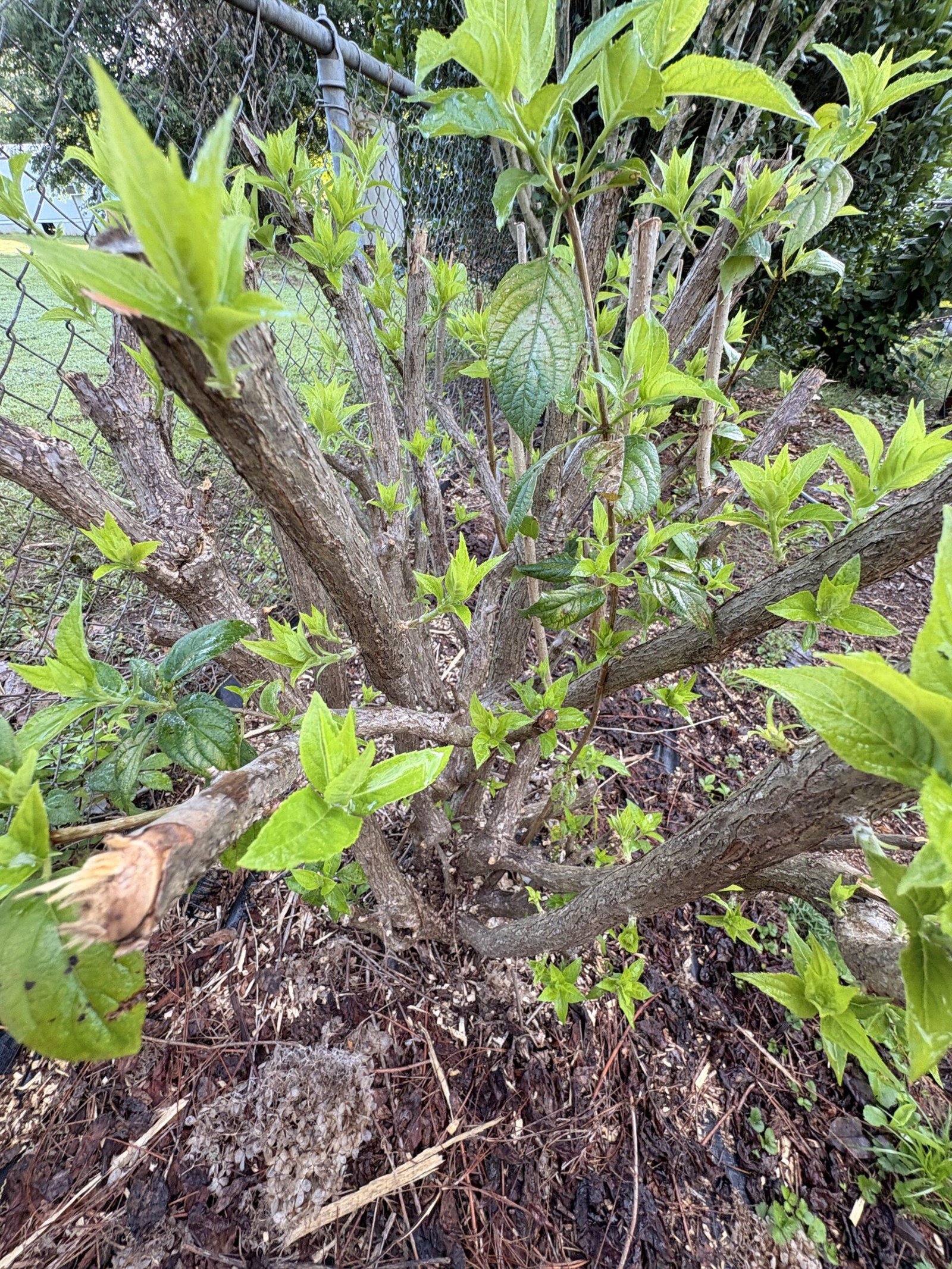
The two main groups most gardeners will run into are panicle hydrangeas and smooth hydrangeas.
Hydrangea paniculata, Commonly Known as Panicle Hydrangea
Hydrangea paniculata, commonly known as panicle hydrangea, blooms on new wood.
This group includes popular varieties like Limelight, Little Lime, Quick Fire, Pinky Winky, Bobo, and plenty of others.
We grow quite a few panicle hydrangeas here at our plant farm, so these are plants we know pretty well.
Because their flowers form on new growth, we can prune established panicle hydrangeas in late winter or early spring before the new growing season really gets moving.
That doesn’t mean every panicle hydrangea needs to be cut halfway to the ground every year.
Sometimes all it needs is a lighter pruning to improve the shape, remove weak stems, and keep a good framework.
More pruning doesn’t automatically mean more flowers.
Hydrangea arborescens, Commonly Known as Smooth Hydrangea
Hydrangea arborescens, commonly known as smooth hydrangea, also blooms on new wood.
Annabelle is probably one of the best known examples.
Because smooth hydrangeas bloom on fresh spring growth, they can usually be pruned while they’re dormant.
UGA Extension also lists panicle and smooth hydrangeas as hydrangeas that bloom on new wood.
Old Wood vs New Wood Hydrangeas at a Glance
Here’s the simple version we keep in mind:
| Hydrangea Type | Blooms On | General Pruning Time |
|---|---|---|
| Bigleaf Hydrangea | Old wood | After flowering, if needed |
| Oakleaf Hydrangea | Old wood | After flowering, if needed |
| Panicle Hydrangea | New wood | Late winter to early spring |
| Smooth Hydrangea | New wood | Late winter to early spring |
| Reblooming Bigleaf Hydrangea | Old wood and new wood | Prune lightly and only when needed |
If you’d like to see more examples, we also have a page with free hydrangea guides and charts that can help make hydrangea care a little easier.
Why Old Wood vs New Wood Hydrangeas Matter for Pruning
This is where knowing old wood vs new wood hydrangeas really starts to matter.
Imagine you’ve got a beautiful bigleaf hydrangea that bloomed great last summer.
By fall, it looks a little untidy, so you decide to clean it up and give the whole thing a good trim.
Looks pretty nice when you finish.
Then June gets here.
Big green bush.
Plenty of leaves.
Not a flower in sight.
You may have removed the flower buds months earlier without even knowing they were there.
That’s why figuring out what kind of hydrangea you have before you prune it is so important.
Now, if you’ve got a panicle hydrangea like Limelight or Pinky Winky, late winter pruning isn’t cutting off last summer’s flower buds.
The plant hasn’t made this year’s flowers yet.
It’ll make them on the new growth coming in spring.
The Hydrangea Pruning Mistake We See Most Often
One of the most common mistakes with hydrangeas isn’t bad pruning technique.
It’s pruning the wrong kind of hydrangea at the wrong time.
Some folks hear that hydrangeas should be pruned in late winter and assume that means all hydrangeas.
It doesn’t.
Others are scared to prune any hydrangea because somebody told them they’d lose all the flowers.
That’s not true either.
The right answer starts with one simple question:
Does my hydrangea bloom on old wood or new wood?
Once you know that, pruning gets a whole lot easier.
And that’s good, because hydrangeas already give us plenty to think about.
What About Reblooming Hydrangeas?
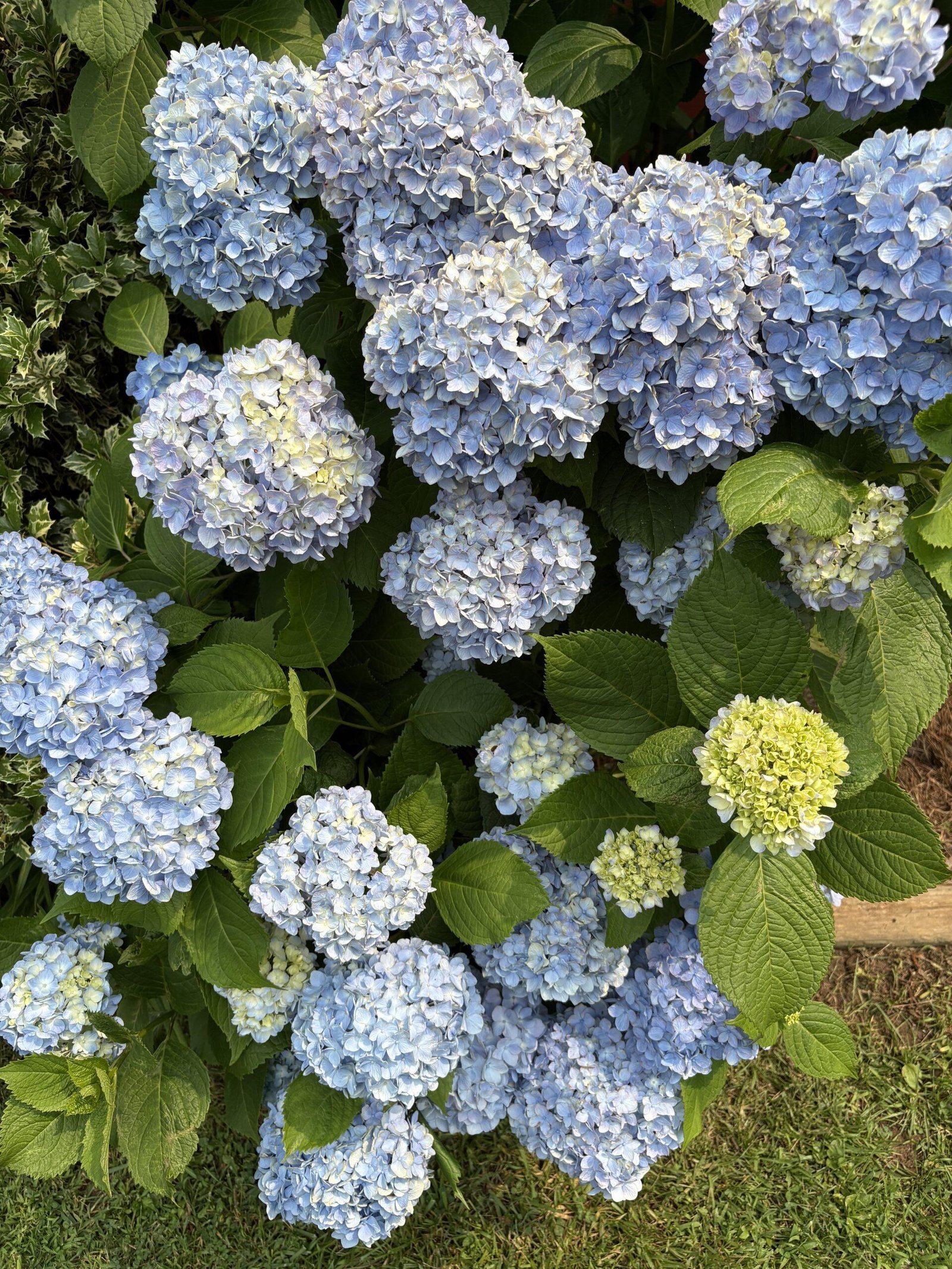
This is where old wood vs new wood hydrangeas gets a little more interesting.
Some newer bigleaf hydrangeas can bloom on both old wood and new wood.
These are often called reblooming hydrangeas.
Endless Summer is probably one of the best known examples.
That can be a big advantage in colder climates.
If winter weather or a late freeze damages some of the old wood flower buds, the plant may still make flowers later on new growth.
That doesn’t mean we recommend cutting a reblooming bigleaf hydrangea way back just because it can bloom again.
We still like to be careful with bigleaf hydrangeas unless there’s a good reason to prune them.
Late Frost Can Look Like a Pruning Problem
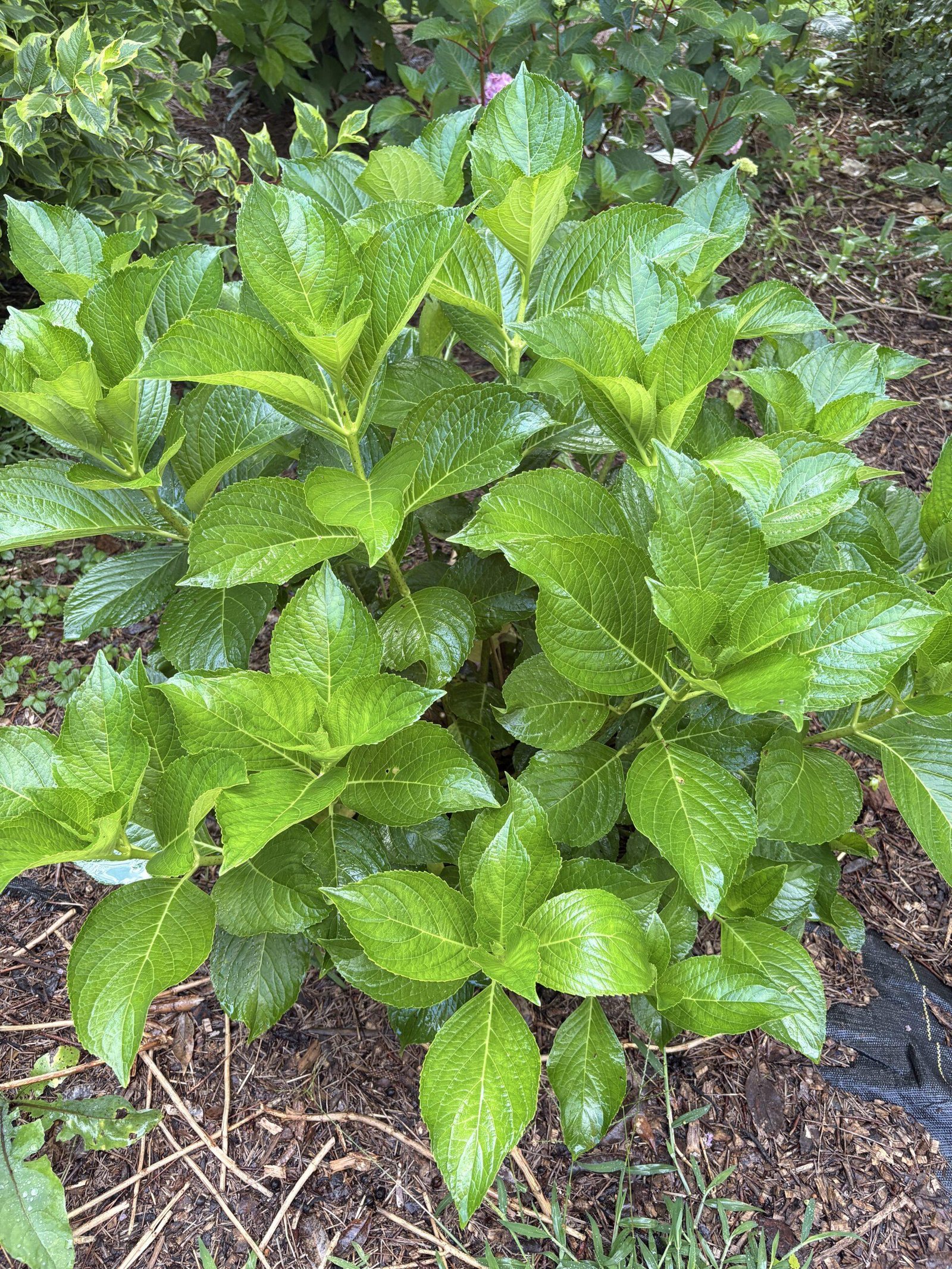
This is especially important where we garden in Georgia.
We’re right around Zone 7b and 8a, and spring weather around here sometimes acts like it forgot what month it is.
We can get warm weather, see hydrangeas start waking up, and then have another cold snap roll through.
Old wood flower buds that made it through winter can sometimes be damaged after they start growing.
Then summer comes around and the gardener figures they must’ve pruned wrong.
Sometimes they did.
Sometimes Mother Nature took care of it for them.
UGA Extension also points out that freeze damage can cause old wood hydrangeas to bloom poorly even when pruning wasn’t the problem.
That’s why we look at more than one thing when a hydrangea isn’t flowering.
How We Check a Hydrangea Before Pruning
If we’re not sure about a hydrangea, the pruners stay put for a minute.
First, we figure out what type it is.
We look at the leaves, flower shape, growth habit, plant label if we still have it, and anything else that helps us narrow it down.
Then we ask whether that hydrangea blooms on old wood or new wood.
Next, we look for dead stems.
A stem can look pretty rough after winter and still be alive.
One easy trick is to lightly scratch a small spot on the bark with your fingernail.
If you see green underneath, there’s still living tissue there.
If it’s dry and brown all the way through, that stem may be dead.
That little check can save you from cutting living wood too soon.
Don’t Prune Just Because the Calendar Says So
This is one of the biggest things we’ve learned from growing shrubs.
Plants don’t own calendars.
Pruning dates you see online are guidelines based on normal growing seasons.
Someone growing hydrangeas in Minnesota may still be looking at snow while we’re already seeing buds swelling here in Georgia.
Someone farther south may be several weeks ahead of us.
That’s why we pay attention to the plant and the weather instead of only relying on a date.
Your climate, growing zone, spring temperatures, and even where the plant sits around your home can change the timing.
Old Wood vs New Wood Hydrangeas in Colder Climates
Gardeners in colder parts of the country have another thing to deal with when growing old wood hydrangeas.
The flower buds have to make it through winter.
A hydrangea can survive winter just fine as a plant while some of the flower buds don’t.
That’s why gardeners in colder areas sometimes wind up with a healthy green bigleaf hydrangea that barely blooms.
Panicle and smooth hydrangeas don’t depend on carrying flower buds through winter because they make their flowers on new growth in spring.
That’s one reason panicle hydrangeas are such dependable bloomers in so many different climates.
Do Hydrangeas Have to Be Pruned Every Year?
Nope.
This is one gardening rule we’re happy to ignore.
Hydrangeas don’t automatically need an annual haircut.
If your hydrangea is healthy, blooming well, and fits the space where it’s planted, leaving it alone may be the best thing you can do.
We prune for a reason.
That reason may be removing dead or damaged wood, improving the shape, controlling size, improving the plant’s structure, or freshening up an older shrub.
Pruning shouldn’t happen just because February showed up and the pruners looked lonely.
Tools That Make Hydrangea Pruning Easier
You don’t need a shed full of tools to prune hydrangeas.
For most plants, a good pair of sharp bypass pruners will handle smaller stems just fine.
For thicker, older stems, a pair of loppers can make the job easier.
We also like having a pair of gardening gloves close by.
Hydrangea pruning isn’t exactly lumberjacking, but scratched up hands still aren’t much fun.
The main thing is keeping your cutting tools clean and sharp so you make clean cuts instead of crushing the stems.
Before You Cut, Remember This
If you only remember one thing from this article, make it this:
Figure out what kind of hydrangea you have before you prune it.
Bigleaf and oakleaf hydrangeas generally bloom on old wood.
Panicle and smooth hydrangeas bloom on new wood.
Reblooming bigleaf hydrangeas may bloom on both.
Once you understand old wood vs new wood hydrangeas, pruning starts to make a whole lot more sense.
It can also help explain why a healthy looking hydrangea may have plenty of leaves and hardly any flowers.
Around here, we’ve learned that sometimes the best move is leaving the pruners hanging in the shed until we’re sure what we’re dealing with.
There’s no prize for being the first person in the neighborhood to start cutting.
Frequently Asked Questions About Old Wood vs New Wood Hydrangeas
How can I tell if my hydrangea blooms on old wood or new wood?
The best way is to figure out what type of hydrangea you have.
Bigleaf and oakleaf hydrangeas usually bloom on old wood, while panicle and smooth hydrangeas bloom on new wood.
Do Limelight hydrangeas bloom on old wood or new wood?
Limelight is a panicle hydrangea and blooms on new wood.
It makes its flowers on growth produced during the current growing season.
Do Annabelle hydrangeas bloom on old wood?
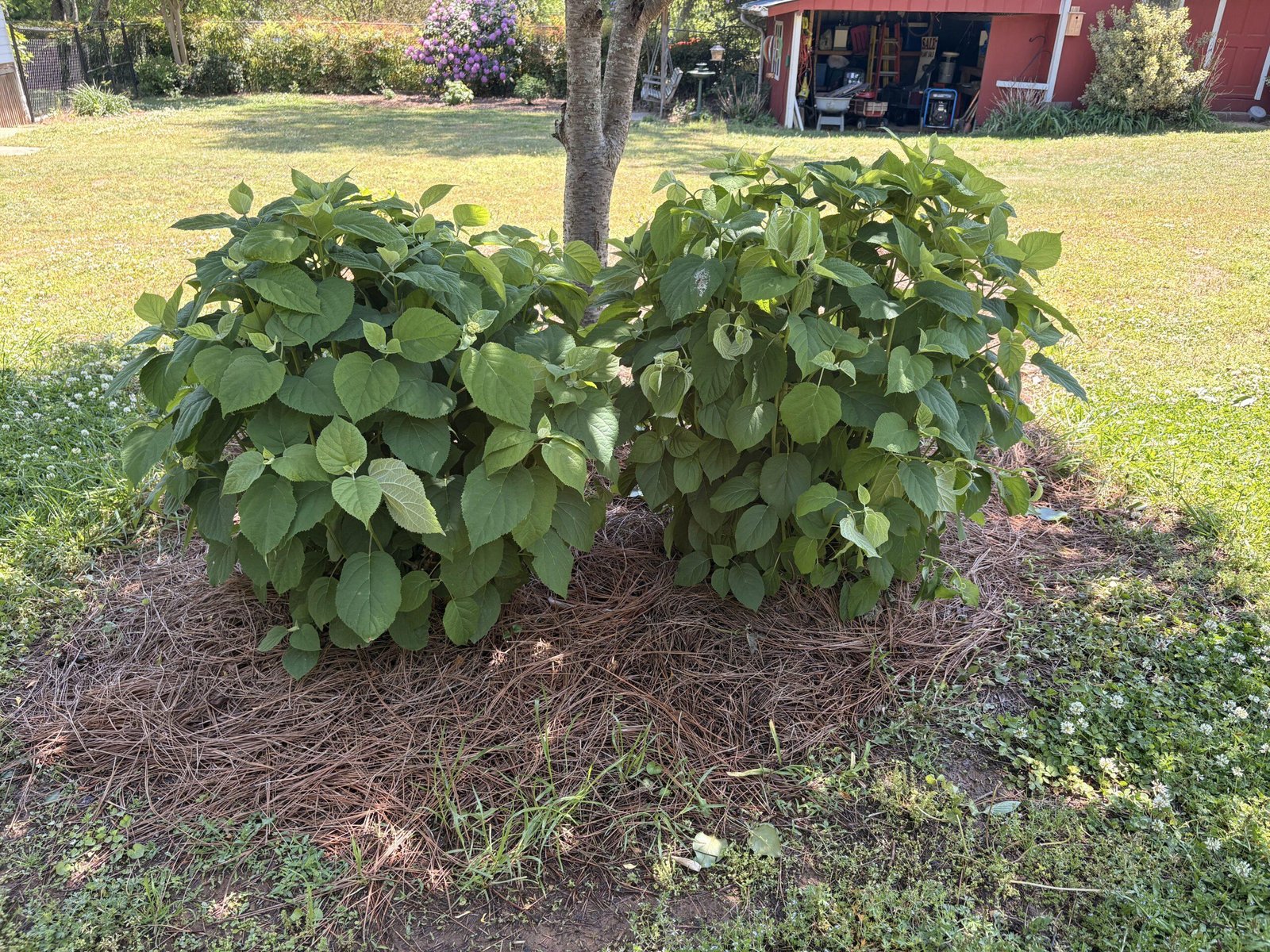
No.
Annabelle is a smooth hydrangea and blooms on new wood.
Do Endless Summer hydrangeas bloom on old wood or new wood?
Endless Summer hydrangeas can bloom on old wood and new wood.
We still recommend pruning them lightly and only when they need it.
What happens if I prune an old wood hydrangea in winter?
You may remove flower buds that were already formed for the coming season.
The plant will usually keep growing, but you may wind up with fewer flowers.
Can I remove dead wood from an old wood hydrangea?
Yes.
Dead wood can be removed.
If you’re not sure whether a stem is dead, lightly scratch the bark and look for green tissue underneath before you cut it out.
We’d Love to Hear About Your Hydrangeas
Hydrangeas have a funny way of teaching us something new almost every year.
If you’ve ever pruned one at the wrong time or spent an entire summer wondering why a healthy hydrangea wouldn’t bloom, you’ve got plenty of company.
Tell us about your hydrangeas on our Facebook Page!
Let us know what type you’re growing, what part of the country you garden in, or what hydrangea question has you scratching your head.
We always enjoy hearing what’s growing in y’all’s gardens.
Discover more from Bobby and Lynn’s Plant Farm
Subscribe to get the latest posts sent to your email.