August is that time of year when the garden starts looking a little tired, even if you’ve been taking good care of it. The summer heat is still hanging on, rainfall can be hit or miss, and many plants are beginning to shift their energy toward preparing for fall instead of putting on new growth.
Quick Answer: In August, focus on keeping plants watered, watching for pests and disease, pulling weeds before they go to seed, refreshing mulch, and getting ready for fall planting. Avoid heavy pruning and late fertilizer on most shrubs. In hot Southern gardens, this month is more about helping plants finish summer strong than pushing a lot of new growth.
What We Do in August
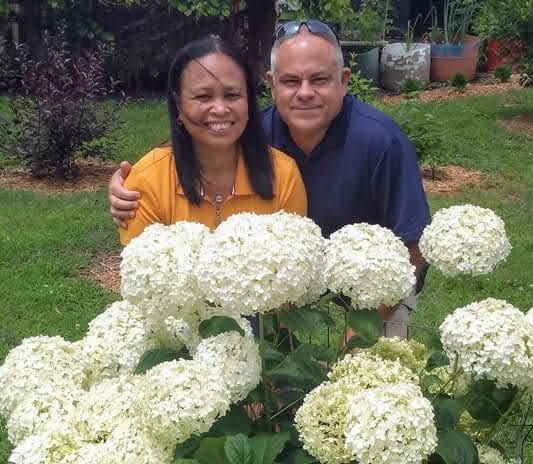
At Bobby & Lynn’s Plant Farm in Georgia, August is usually more about maintenance than major planting. By this point in summer, the heat and humidity have taken a toll on a lot of plants, so we spend more time checking soil moisture, watching for leaf problems, pulling weeds, and keeping beds cleaned up.
We also start looking ahead to fall. We make note of plants that struggled through the summer, areas that stayed too wet or too dry, and spots where we may want to add shrubs once temperatures cool down.
With hydrangeas, we avoid heavy pruning this time of year and pay close attention to watering and air circulation. Late summer leaf spots, tired foliage, and some browning can be pretty normal here, so we don’t automatically treat every imperfect leaf as a major problem.
About Bobby & Lynn


Water Deeply During Hot, Dry Weather
August often brings some of the hottest days of the year. Many established shrubs can tolerate short dry periods, but newly planted trees, shrubs, perennials, and container plants still need regular watering.
Water deeply rather than lightly. A slow soak encourages roots to grow deeper into the soil where moisture lasts longer.
Early morning remains the best time to water, allowing leaves to dry quickly while reducing evaporation.
Watch Hydrangeas Closely
Hydrangeas may still wilt during hot afternoons, especially bigleaf varieties growing in afternoon sun.
Check the soil before watering. If the soil is still moist several inches down, the plant is probably reacting to heat rather than drought.
Continue watching for:
- Brown leaf edges
- Leaf spot
- Powdery mildew
- Yellow leaves
- Drooping that continues into the evening
Remove diseased leaves from both the plant and the ground to reduce fungal problems.
Avoid heavy pruning. Many hydrangeas are already developing next year’s flower buds.
Stop Fertilizing Most Shrubs
By late August, it’s usually time to stop fertilizing flowering shrubs.
Applying fertilizer too late in the season encourages tender new growth that may not harden off before colder weather arrives.
Instead of feeding plants, focus on maintaining healthy soil with mulch and consistent watering.
Refresh Mulch Before Fall
Summer heat and heavy rain slowly break mulch down.
Walk around your landscape and add fresh mulch anywhere the layer has become thin.
Maintain about 2 to 3 inches of mulch while keeping it several inches away from trunks and stems.
Fresh mulch helps:
- Hold moisture
- Reduce weeds
- Moderate soil temperatures
- Improve soil as it breaks down
Deadhead Summer Flowers
Many flowers continue blooming well into August if faded blooms are removed.
Check plants like:
- Butterfly bush
- Roses
- Bee balm
- Coneflowers
- Black-eyed Susans
- Zinnias
- Annual flowers
Removing old blooms helps your garden stay neat and often encourages additional flowers.
Pull Weeds Before They Spread
August weeds are preparing for next year’s invasion.
Pull weeds before they produce seeds.
Even just fifteen minutes once or twice a week can save hours of work next spring.
Weeding after rain or watering makes the job much easier.
Keep an Eye Out for Garden Pests
Many insects remain active through August.
Inspect plants regularly for:
- Aphids
- Spider mites
- Japanese beetles
- Whiteflies
- Scale insects
- Caterpillars
Finding problems early almost always makes them easier to control.
Continue Caring for Container Plants
Containers dry out quickly during late summer.
Check pots every day during hot weather.
Water thoroughly until water drains from the bottom.
Continue removing faded flowers and trim away dead or leggy growth to keep containers looking full.
If you’re still fertilizing annual flowers in containers, a light feeding every week or two can help keep them blooming.
Harvest Vegetables Often
Keep picking vegetables as they ripen.
Regular harvesting encourages many crops to continue producing.
Remove any diseased or damaged fruits and leaves before problems spread throughout the garden.
If you have empty garden space, now is also a good time to begin sowing many cool-season vegetables.
Start Planning Your Fall Garden
August is the perfect month to begin thinking ahead.
Make notes about:
- Empty spots that need new shrubs
- Plants that struggled this summer
- Areas needing better drainage
- Places where additional mulch is needed
- Flower beds that need redesigning
Taking photos now makes planning much easier once cooler weather arrives.
Clean and Sharpen Garden Tools
Before the busy fall season begins, spend a little time maintaining your tools.
Clean:
- Pruners
- Loppers
- Shovels
- Hand trowels
- Garden knives
Sharp, clean tools make gardening easier and reduce the chance of spreading disease from one plant to another.
Prepare for Fall Planting Season
Fall is one of the best times to plant trees and shrubs.
Take inventory now so you’re ready when cooler temperatures arrive.
Make a list of:
- Flowering shrubs
- Hydrangeas
- Trees
- Perennials
- Mulch
- Compost
- Soil amendments
Planning now makes fall planting much less stressful. UGA Cooperative Extension also recommends fall as one of the best times to plant trees and shrubs because cooler temperatures reduce stress while roots continue developing.
Final Thoughts
August gardening is about helping your landscape finish summer strong while getting ready for the cooler months ahead.
Keep watering deeply, stay ahead of weeds and pests, avoid heavy pruning, and begin planning your fall projects. A little attention now helps plants stay healthier through the remaining heat and gives them a strong start heading into autumn.
Before you know it, cooler mornings and fall planting season will be here.
Real Plants. Real People. Real Passion.
Need More Hydrangea Help?
Still have questions about your hydrangea? Visit our Hydrangea Help page for practical guides on pruning, watering, fertilizing, blooming problems, brown leaves, drooping flowers, and more.
Whether you’re trying to identify your hydrangea or figure out why it isn’t blooming, we’ll help you find the right information without making things more complicated than it needs to be.