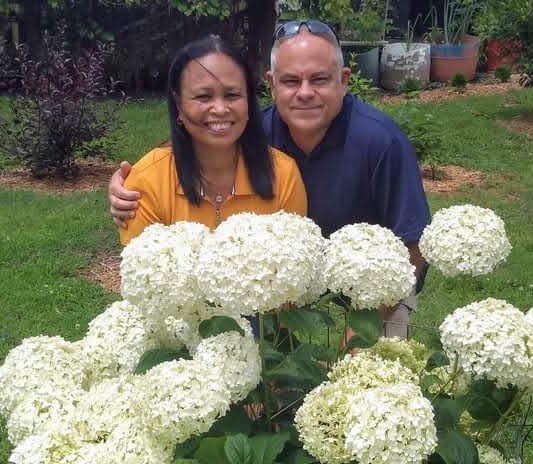
Many fall hydrangea changes are simply part of the plant’s natural transition into winter dormancy. Fall brings cooler nights, shorter days, and some pretty surprising changes to our hydrangeas.
If you’ve noticed leaves turning red or yellow, brown edges appearing, or dark spots covering leaves that looked beautiful just a few weeks ago, don’t panic!
Here at Bobby & Lynn’s Plant Farm in Dallas, Georgia, we grow a variety of hydrangeas, and fall is when their appearance can change dramatically.
Some hydrangeas put on a beautiful show of autumn colors. Others start looking like they’ve had enough of summer and are ready for a long winter nap!
The important thing is understanding what’s normal, what might indicate a problem, and when you should actually do something about it.
Let’s take a look.
Quick Answer: Are Fall Hydrangea Changes Normal?
Yes! Many fall hydrangea changes are completely normal.
As temperatures cool and daylight hours decrease, most garden hydrangeas begin preparing for winter dormancy.
You may notice:
- Leaves changing from green to yellow, red, burgundy, or purple.
- Brown edges appearing on older leaves.
- Dark brown or black spots becoming more noticeable.
- Flowers fading into muted pink, tan, or brown shades.
- Leaves drying, curling, and eventually falling.
- Slower growth as the plant prepares for winter.
These changes don’t automatically mean your hydrangea is dying.
In fact, most hydrangeas commonly grown in Georgia are deciduous shrubs, meaning they naturally lose their leaves before winter.
However, sudden wilting, blackened new growth, or widespread damage well before normal dormancy deserves a closer look.
1. Fall Hydrangea Changes: Leaves Turning Red, Purple, and Burgundy
One of the prettiest things about fall is watching hydrangea foliage change color.
Hydrangea quercifolia, commonly called oakleaf hydrangea, is especially well known for its beautiful autumn foliage.
Its large leaves can turn shades of red, burgundy, purple, and sometimes orange.
Other hydrangeas may also develop reddish or purplish coloring as temperatures cool.
Why does this happen?
As days grow shorter and temperatures drop, chlorophyll—the pigment responsible for green leaves—begins breaking down.
Other pigments become more visible, and some leaves produce additional red and purple pigments called anthocyanins.
The result can be some surprisingly beautiful foliage!
What should you do?
Usually, nothing.
If your hydrangea is otherwise healthy and the color change is happening gradually during fall, enjoy the show.
Remember that different hydrangea varieties produce different fall colors. Some turn brilliant red, while others simply fade to yellow or brown.
Not every hydrangea is going to put on an autumn performance worthy of a postcard!
2. Fall Hydrangea Changes: Leaves Turning Yellow
Yellowing leaves are another common sight as hydrangeas prepare for winter.
During the growing season, yellow leaves can signal watering problems, nutrient deficiencies, or other issues.
But in fall, the explanation may be much simpler.
Your hydrangea is beginning to shut down for the season.
As the plant prepares for dormancy, it breaks down chlorophyll and moves some useful nutrients out of its leaves.
Those once-green leaves may begin turning yellow before eventually falling.
What should you do?
If the yellowing happens gradually as colder weather arrives, there’s generally no reason to worry.
However, if your hydrangea develops yellow leaves during warm weather or loses foliage unusually early, investigate further.
Our guide, Yellow Hydrangea Leaves: 7 Problems and How to Fix Them, explains what to look for.
Bobby & Lynn’s Tip: Don’t rush to fertilize a hydrangea simply because its leaves are turning yellow in October or November. It may be doing exactly what nature intended.
3. Fall Hydrangea Changes: Brown Leaf Edges and Crispy Tips
Here’s something that concerns a lot of gardeners.
Their hydrangea looked beautiful during spring and early summer, but now the leaves have brown, crispy edges.
What happened?
Sometimes those brown edges are the result of stress that occurred months earlier.
Think about what hydrangeas experience during a Georgia summer.
We have intense sunshine, high temperatures, periods of dry weather, and sometimes heavy rain followed by more heat.
That’s a lot for a leaf to handle!
Hydrangea macrophylla, commonly known as bigleaf hydrangea, can be especially sensitive to excessive afternoon sun and moisture stress.
Even when the plant survives summer just fine, its older leaves may carry signs of that stress into fall.
As the growing season ends, those damaged areas can become even more noticeable.
What should you do?
If it’s late fall, the plant is otherwise healthy, and the brown edges are mostly on older foliage, there’s usually little reason to intervene.
Don’t expect damaged leaves to turn green again.
The plant will eventually shed them and grow fresh foliage next spring.
If you notice browning during the active growing season, check soil moisture, sunlight exposure, and watering habits.
We explain those problems in more detail in Why Are My Hydrangea Leaves Turning Brown? 7 Causes and Easy Fixes.
4. Fall Hydrangea Changes: Dark Brown and Black Spots on Leaves

Now let’s talk about something that can look especially alarming.
Black spots!
You walk outside, look at your hydrangea, and suddenly notice dark brown, purple, or almost-black spots scattered across the leaves.
Before you reach for a spray bottle, consider the time of year.
Leaf spotting is common on hydrangeas late in the growing season, especially in warm, humid climates like Georgia.
One possible cause is Cercospora leaf spot, a fungal disease that can produce circular purple-brown spots.
Other fungal or bacterial leaf-spot diseases can cause different patterns of discoloration.
The spots themselves are not simply caused by cool temperatures. They may reflect infections or damage that developed earlier in the season.
But here’s the reassuring part.
When a hydrangea is already approaching dormancy, a limited amount of leaf spotting is often more of a cosmetic issue than a serious threat to the shrub.
Older leaves are nearing the end of their useful lives anyway.
The University of Minnesota Extension explains that leaf-spot diseases may produce spots ranging from tan and brown to nearly black.
Learn more about leaf-spot diseases from the University of Minnesota Extension.
When Are Black Spots Something to Worry About?
Take a closer look if:
- Spots appear early in the growing season and spread rapidly.
- Large numbers of leaves fall during spring or summer.
- New growth becomes damaged or distorted.
- Stems develop blackened, sunken, or dying areas.
- The same severe spotting returns year after year.
These symptoms may deserve further investigation.
What Should You Do About Fall Leaf Spots?
For established hydrangeas with minor late-season spotting:
- Avoid unnecessary spraying.
- Water at the base rather than soaking the foliage.
- Remove heavily infected fallen leaves from beneath the shrub.
- Avoid overcrowding plants.
- Observe the hydrangea when fresh growth returns in spring.
You generally don’t need to strip all the spotted leaves from the plant.
And spraying a fungicide after the leaves have already been damaged won’t make those spots disappear.
Bobby & Lynn’s Tip: A few ugly leaves in October don’t necessarily mean you have an ugly problem waiting for you next spring.
For additional information, see the University of Georgia Extension’s guide to common landscape diseases.
5. Fall Hydrangea Changes: Flowers Fading and Turning Brown

Hydrangea flowers change as they age, too.
A beautiful pink or blue flower that caught your attention during summer may look completely different by October.
Some fade into muted green, antique pink, burgundy, or tan shades.
Others eventually become brown and papery.
This is particularly noticeable with Hydrangea paniculata, commonly called panicle hydrangea.
Varieties such as Limelight, Pinky Winky, and Vanilla Strawberry can develop beautiful pink and reddish tones as their blooms mature.
Eventually, those flowers dry and turn brown.
Bigleaf hydrangea blooms also fade as they age, although their final colors vary considerably by variety and growing conditions.
Should You Cut Off the Brown Flowers?
You can, but you usually don’t have to.
Many gardeners enjoy leaving dried flower heads on their hydrangeas for winter interest.
We especially like the way dried panicle hydrangea blooms can add texture to the winter landscape.
Just be careful about where you make your cuts.
Some hydrangeas develop next year’s flower buds on older stems.
Cutting too far back in fall may remove those buds.
Before reaching for the pruners, read our guide on When to Deadhead Hydrangeas.
Remember, brown flowers don’t mean the entire plant is unhealthy.
Sometimes the flowers have simply finished their season.
6. Fall Hydrangea Changes: Leaves Curling, Drying, and Falling Off
As fall progresses, you may notice hydrangea leaves becoming dry, curling inward, or dropping from the branches.
For deciduous hydrangeas, this is an expected part of dormancy.
The plant no longer needs to maintain a full canopy of leaves throughout winter.
As leaves age, a separation layer develops where the leaf attaches to the stem.
Eventually, the leaves fall.
You may notice that some hydrangeas lose their leaves earlier than others.
That’s normal, too.
Different hydrangea species, varieties, growing locations, and weather conditions can influence the timing.
A sheltered hydrangea near your house may hold its leaves longer than one growing in an exposed location.
Does Losing All Its Leaves Mean My Hydrangea Is Dead?
Absolutely not!
A leafless hydrangea in winter can be perfectly healthy.
Its roots and living stems remain alive while the plant rests.
The real test comes when warmer weather returns and new growth begins emerging.
What should you do?
Allow the plant to lose its foliage naturally.
Keep watering when needed until the ground freezes, but don’t keep the soil constantly saturated.
And don’t start cutting branches simply because they look bare.
That brings us to the next important change.
7. Fall Hydrangea Changes: Growth Slows and the Plant Goes Dormant
This may be the most important fall hydrangea change of all.
Your hydrangea begins preparing for winter.
As daylight decreases and temperatures cool, active growth slows.
The plant starts shifting from summer growth into its dormant season.
For many hydrangeas, that means no more new leaves, no more vigorous stem growth, and eventually no foliage at all.
But something important may already be happening on those seemingly quiet branches.
Some hydrangeas have formed flower buds that will produce next year’s blooms.
Don’t Make This Fall Pruning Mistake!
Bigleaf and oakleaf hydrangeas generally bloom on old wood.
That means many of their flower buds develop on stems from the previous growing season.
If you cut those stems back in fall, you may remove next year’s flowers.
Panicle and smooth hydrangeas generally bloom on new wood, so their pruning schedules are different.
This is why we always recommend identifying your hydrangea before pruning.
Read Old Wood vs. New Wood Hydrangeas: What You Need to Know before making any major cuts.
Sometimes the best thing you can do for your hydrangea is leave it alone.
There will be plenty of gardening chores waiting for us in spring!
Fall Hydrangea Changes: What’s Normal and What’s Not?
Use this quick-reference chart when your hydrangea starts looking different as the growing season winds down.
| What You See | Usually Normal in Fall? | What to Do |
|---|---|---|
| Red, purple, or burgundy leaves | Yes | Enjoy the fall color |
| Yellowing older leaves | Yes | Allow natural leaf drop |
| Brown, crispy leaf edges | Often | Check for lingering summer stress |
| A few dark brown or black leaf spots | Common | Clean up diseased fallen leaves |
| Flowers fading or drying | Yes | Leave blooms or deadhead carefully |
| Leaves curling and dropping | Yes | Allow dormancy to progress |
| Slower growth and bare stems | Yes | Avoid unnecessary fall pruning |
| Sudden collapse, soft stems, or widespread early leaf loss | Not necessarily | Investigate watering, roots, disease, or weather injury |
Remember: The time of year matters.
A yellow leaf in October can mean something entirely different from a yellow leaf in May.
What We’re Doing at Bobby & Lynn’s Plant Farm This Fall
Here in Dallas, Georgia, fall brings some welcome relief from our hot summer temperatures.
But it also means our hydrangeas are beginning to wind down for the season.
At this time of year, our priorities are pretty simple.
1. We’re Not Panicking Over Every Brown Leaf
After a long Georgia summer, a few rough-looking leaves aren’t surprising.
We pay more attention to the overall health of the plant than whether every individual leaf looks perfect.
2. We’re Watching Soil Moisture
Cooler temperatures don’t automatically mean the soil is moist.
If we go through a dry stretch, hydrangeas may still need water.
We check the soil rather than assuming the calendar tells us when to water.
3. We’re Avoiding Unnecessary Pruning
This is especially important for bigleaf and oakleaf hydrangeas.
We don’t want to remove flower buds that could produce next year’s blooms.
4. We’re Allowing Plants to Prepare Naturally for Winter
We aren’t trying to force new growth with late-season fertilizer.
Instead, we’re letting the plants gradually settle into dormancy.
5. We’re Planning Ahead for Colder Weather
Container-grown hydrangeas deserve extra attention because their roots are more exposed to cold temperatures.
If you’re growing hydrangeas in pots, our guide on How to Overwinter Hydrangeas in Pots Without Losing Them explains how to protect them.
For more seasonal advice, visit Fall Hydrangea Care for Better Blooms Next Year.
A Few Helpful Products for Fall Hydrangea Care
You don’t need a shed full of expensive equipment to take care of hydrangeas in fall.
Most of the time, a little observation and some basic gardening tools are all you need.
Here are a couple of products that may come in handy.
Corona Bypass Pruners
A good pair of bypass pruners is helpful for making clean cuts when removing damaged or clearly dead stems.
Just remember to check which type of hydrangea you have before pruning.
See Corona Bypass Pruners on Amazon
Plant Protection Fabric
If you have young or container-grown hydrangeas that need additional protection during freezing weather, frost protection fabric may come in handy.
Protection is especially worth considering for vulnerable plants when severe cold is forecast.
See Frost Protection Fabric on Amazon
Looking for More Hydrangeas?
If you’re thinking about adding another hydrangea to your landscape, fall can be an excellent planting season in many areas of the South, provided the ground isn’t frozen and you can water the new planting properly.
We’ve used Plant Addicts for several years and appreciate having another source for hydrangeas and flowering shrubs.
Browse Hydrangeas at Plant Addicts
Affiliate disclosure: Some product links in this article are affiliate links. If you purchase through them, we may earn a small commission at no additional cost to you. We only recommend products that fit the gardening advice we’re sharing.
Frequently Asked Questions About Fall Hydrangea Changes
Is It Normal for Hydrangea Leaves to Turn Black in Fall?
Dark spots can be common toward the end of the growing season, especially when leaf-spot diseases have developed during warm, humid weather.
A few spotted leaves on an otherwise healthy plant approaching dormancy are usually less concerning than widespread spotting during spring or summer.
However, large blackened areas, dying stems, or rapidly spreading symptoms should be investigated.
Why Are My Hydrangea Leaves Turning Red in October?
Many hydrangeas develop reddish or purplish foliage as the days shorten and temperatures cool.
Oakleaf hydrangeas are especially known for their beautiful fall leaf colors.
Should I Remove Brown Hydrangea Leaves in Fall?
You usually don’t need to remove every brown leaf.
Allow normal seasonal leaf drop to happen naturally.
If the plant has significant fungal leaf spotting, collecting and disposing of infected fallen leaves can help reduce disease carryover.
Should I Fertilize My Hydrangeas When the Leaves Turn Yellow?
Generally, no.
If leaves are yellowing naturally as dormancy approaches, fertilizer isn’t necessary.
Late-season fertilizing can encourage tender growth that may be vulnerable to cold weather.
Should I Cut My Hydrangea Back When the Leaves Fall Off?
Not automatically.
Bigleaf and oakleaf hydrangeas can carry next year’s flower buds on existing stems.
Pruning at the wrong time can reduce flowering.
Always identify your hydrangea before pruning.
Will My Hydrangea Grow New Leaves Next Spring?
If your hydrangea is healthy and has survived winter, it should produce new foliage when suitable growing conditions return.
The timing depends on the hydrangea variety and your climate.
Final Thoughts: Don’t Let Fall Hydrangea Changes Scare You!
If your hydrangea is starting to look a little rough this fall, take a deep breath.
Those beautiful green leaves weren’t meant to last forever.
Some will turn red or purple.
Others will become yellow, brown, or covered with a few spots.
Flowers will fade, leaves will fall, and eventually the plant will settle into its winter rest.
That’s how nature works.
Of course, we always want to keep an eye out for genuine problems. But knowing which changes are normal can save you unnecessary worry, unnecessary treatments, and sometimes even unnecessary pruning.
Here at Bobby & Lynn’s Plant Farm, we’ve learned that gardening isn’t about having perfect-looking plants every day of the year.
It’s about understanding what they’re doing and giving them what they need.
And sometimes, what your hydrangea needs most in fall is simply a chance to rest.
Happy gardening!
Bobby & Lynn
Bobby & Lynn’s Plant Farm — Dallas, Georgia
Real Plants. Real People. Real Passion.
For more growing advice, visit our Hydrangea Help Center.