There’s something special about seeing hydrangeas covered in several colors at the same time. You may have pink blooms on one side, purple flowers in the middle, and blue blooms on the other side.
It almost looks like three different hydrangeas growing together.
This can happen naturally, but you can also encourage it by carefully creating slightly different soil conditions around different sections of the plant’s root system.
I do want to be honest with you before we get started. Creating several colors on one hydrangea isn’t an exact science. Hydrangea roots spread and overlap underground, water moves through the soil, and amendments don’t always stay exactly where you put them.
You can encourage mixed colors, but you may not end up with one perfectly blue side and one perfectly pink side. You’re more likely to see a beautiful blend of blue, lavender, purple, and pink flowers across the plant.
That’s part of what makes the experiment so interesting.
Affiliate Disclosure: This post may contain affiliate links. If you buy through one of our links, we may earn a small commission at no extra cost to you. We only share products we think may be helpful for gardeners.
Quick Answer: Can One Hydrangea Have Different Colored Flowers? Yes. Certain bigleaf and mountain hydrangeas can produce blue, purple, lavender, and pink flowers on the same plant when soil chemistry varies across the root zone. Soil pH affects how available aluminum is to the plant, but genetics, water, fertilizer, and existing soil conditions also influence the final color. The effect is not perfectly predictable, so expect blended colors rather than a sharply divided blue side and pink side.
About Bobby & Lynn

Can One Hydrangea Really Produce Several Flower Colors?
Yes, one hydrangea can produce several flower colors at the same time.
This usually happens when the soil conditions aren’t exactly the same throughout the plant’s root zone.
One section of the root system may be growing in more acidic soil where aluminum is available. Another section may be growing in soil with a higher pH where aluminum is less available.
That can result in flowers that are:
- Blue
- Pink
- Purple
- Lavender
- Mauve
- A combination of several colors
You may also see individual blooms containing more than one shade.
However, not every hydrangea can change color.
Before you add anything to the soil, you need to make sure you have the right kind of hydrangea.
UGA Extension explains that bigleaf hydrangea flower color can be changed by adjusting the soil pH.
Which Hydrangeas Can Become Multicolor?
The hydrangeas most likely to produce different colors on the same plant are:
- Bigleaf hydrangeas, also called Hydrangea macrophylla
- Mountain hydrangeas, also called Hydrangea serrata
These include many mophead and lacecap varieties.
Some popular color-changing bigleaf hydrangeas include reblooming varieties and traditional mophead hydrangeas that can shift between pink, purple, and blue depending on soil conditions.
Mountain hydrangeas may also change color, and many have delicate lacecap flowers that look especially beautiful when several colors appear together.
Hydrangeas that generally won’t change from pink to blue based on soil chemistry include:
- Panicle hydrangeas
- Smooth hydrangeas
- Oakleaf hydrangeas
- Climbing hydrangeas
A Limelight, Phantom, Annabelle, or oakleaf hydrangea may naturally change color as the blooms age, but you can’t turn those flowers blue by adding aluminum sulfate.
Before beginning this project, identify your hydrangea’s type and variety.
Before changing the soil, make sure you know what type of hydrangea you have. Our guide to identifying different types of hydrangeas can help you determine whether the blooms are capable of changing color.
How Hydrangea Flower Color Works
Hydrangea color is often described as being controlled by soil pH, but that’s only part of the story.
The real key is whether aluminum is available for the plant to absorb.
Soil pH affects how available that aluminum is.
In general:
- Acidic soil makes aluminum more available and encourages blue flowers.
- Moderately acidic soil often produces purple or lavender flowers.
- Higher-pH soil makes aluminum less available and encourages pink flowers.
The variety’s genetics also matter.
Some hydrangeas naturally produce stronger blues. Others lean toward pink, red, purple, or lavender.
That means two different hydrangea varieties growing in the same soil may not produce the same shade.
The General Soil pH and Color Guide
These numbers are only general guidelines, but they can help you understand what you’re trying to create.
| Soil pH | Possible Flower Color |
|---|---|
| Approximately 5.0 to 5.5 | Blue |
| Approximately 5.5 to 6.0 | Blue-purple or violet |
| Approximately 6.0 to 6.5 | Purple, lavender, or mixed |
| Approximately 6.5 to 7.0 | Pink |
| Above approximately 7.0 | Deeper pink, depending on variety |
Don’t try to force the soil to an extreme pH.
Multicolor Hydrangea Quick Guide
Use this infographic as a quick reference for choosing your color zones, testing the soil, and understanding how soil pH and aluminum availability can affect the blooms on the same hydrangea.

Keep in mind that these pH ranges are general guidelines. Your hydrangea variety, soil minerals, fertilizer, water quality, and growing conditions can all affect the final flower color.
Hydrangeas generally prefer slightly acidic soil. Raising the pH too high may cause nutrient problems, while lowering it too aggressively may damage roots.
The goal is to create small differences around different parts of the plant, not completely transform the entire flower bed overnight.
Start With a Soil Test
Don’t skip this step.
Before adding lime, sulfur, aluminum sulfate, or any other soil amendment, test the soil around the hydrangea.
Test at least three areas:
- The left side of the plant
- The right side of the plant
- Near the outer edge of the root zone
You may discover that the soil already varies from one side to the other.
For example, one side may have a pH of 5.7 while the other side is closer to 6.4. That existing difference may explain why you already see several flower colors.
A simple home soil pH meter or soil test kit can help you get a general reading.
For more detailed results, contact your local Cooperative Extension office and ask about soil testing.
A professional test may provide information about:
- Soil pH
- Phosphorus levels
- Potassium levels
- Calcium
- Magnesium
- Nutrient deficiencies
- Recommended lime applications
Testing is especially important if your hydrangea has yellow leaves, poor growth, or other signs of stress.
Understand the Hydrangea’s Root Zone
A hydrangea’s roots don’t stay directly underneath the stems.
They spread outward, often extending beyond the canopy of the plant.
When you’re trying to create several colors, you’ll work along the outside sections of the root zone rather than piling amendments against the base of the hydrangea.
Never place concentrated aluminum sulfate, lime, or other amendments directly against the stems.
That can damage the plant.
Think of the root zone as a wide circle around the hydrangea. You’re going to divide that circle into separate treatment areas.
For example:
- Left side for blue flowers
- Middle area left mostly untreated for purple flowers
- Right side for pink flowers
The larger and more established the hydrangea is, the easier it may be to create slightly different soil conditions around it.
A very small hydrangea has a compact root system, so amendments are more likely to affect the entire plant.
How to Create Multicolor Hydrangeas by Managing Soil pH
Before applying anything, decide where you want each color to appear.
One simple plan is:
Left Side: Blue
This side will receive careful treatment to maintain acidic soil and improve aluminum availability.
Center: Purple or Lavender
Leave the middle mostly untreated, or keep the soil in a moderate pH range.
Right Side: Pink
This side will receive a carefully measured amount of garden lime to gradually raise the pH and reduce aluminum availability.
Mark each section with a small garden stake so you don’t forget where you applied each amendment.
You may also want to keep a garden notebook with:
- The date
- The soil pH
- The product used
- The amount applied
- Weather conditions
- Flower color changes
This will help you avoid adding too much and allow you to see what worked.
How to Encourage Blue Flowers on One Side
To encourage blue flowers, the roots on that side of the plant need access to aluminum in acidic soil.
A soil pH of approximately 5.0 to 5.5 is usually favorable for blue flowers.
Aluminum Sulfate
Aluminum sulfate is one of the most common products used to encourage blue hydrangea flowers.
It provides aluminum and also lowers soil pH.
However, it must be used carefully.
Too much aluminum sulfate can:
- Burn hydrangea roots
- Damage beneficial soil organisms
- Create salt buildup
- Make the soil too acidic
- Cause nutrient imbalances
- Weaken the plant
Always follow the directions on the product label.
Don’t assume that using twice as much will produce twice as many blue flowers.
It may only produce a damaged hydrangea.
Apply aluminum sulfate only to the section of the root zone where you want to encourage blue blooms.
Water the soil before applying it if the ground is dry, and water again after application unless the product directions say otherwise.

- Generally used to acidify soils and to turn Hydrangeas blue
- Active Ingredients: Aluminum Sulfate
- New England Pottery product
Soil Acidifiers
Some gardeners use a sulfur-based soil acidifier instead of aluminum sulfate.
A soil acidifier may lower the pH, but it doesn’t necessarily add the aluminum needed for strong blue coloring.
It may be useful if your soil already contains enough aluminum but the pH is too high for the plant to absorb it.
Sulfur-based products also work slowly. It may take several months for soil organisms to begin changing the soil pH.
Acid-Loving Plant Fertilizer
A fertilizer formulated for azaleas, camellias, blueberries, or other acid-loving plants may help support acidic growing conditions.
However, fertilizer should never replace a soil test.
Use it only when the plant needs nutrients.
Avoid high-phosphorus fertilizers when trying to create blue flowers because phosphorus can bind with aluminum and make it less available to the hydrangea.
How to Encourage Pink Flowers on the Opposite Side
To encourage pink flowers, you need to make aluminum less available to the roots on that side of the plant.
This is usually done by gradually raising the soil pH.
A pH between approximately 6.5 and 7.0 often encourages pink flowers.
Garden Lime
Garden lime is commonly used to raise soil pH.
There are several types of lime available.
Calcitic Lime
Calcitic lime contains calcium and raises soil pH.
Dolomitic Lime
Dolomitic lime contains calcium and magnesium.
Don’t automatically use dolomitic lime unless your soil needs magnesium. Too much magnesium can interfere with the availability of other nutrients.
Pelletized Lime
Pelletized lime is easier to spread and creates less dust than some powdered products.
Always follow the product directions and use the soil test results to determine how much to apply.
Apply lime only to the section where you want pink flowers.
Keep it away from the stems and water it into the soil.
Lime works slowly. You may not see a noticeable flower-color change until the following growing season.

Creating Purple or Lavender Flowers in the Middle
Purple and lavender flowers often appear where soil conditions fall between those needed for blue and pink blooms.
You may not need to apply anything to the center section.
Let the soil remain somewhere between approximately pH 5.5 and 6.5.
The roots in this area may absorb some aluminum, but not as much as the roots on the blue side.
Because hydrangea roots overlap, the colors may naturally blend.
Instead of seeing three sharply divided sections, you may see:
- Deep blue blooms on one side
- Blue-purple flowers near the center
- Lavender blooms through the middle
- Mauve flowers closer to the pink side
- Pink flowers at the opposite end
That gradual color transition often looks more natural than perfectly separated colors.
Can You Create a Perfectly Blue Side and a Perfectly Pink Side?
Probably not.
You may be able to create a noticeable difference, but it’s difficult to maintain a perfect division on one plant.
Hydrangea roots:
- Spread in several directions
- Cross into different soil zones
- Absorb water and nutrients from more than one area
- Change their growth pattern over time
Rainwater and irrigation also move amendments through the soil.
Heavy rain may carry some of the lime toward the blue section or move acidic material toward the pink section.
Earthworms, insects, mulch decomposition, and routine gardening can also gradually mix the soil.
You’re working with a living plant, not painting each branch a different color.
Aim for a mixed-color effect rather than a perfectly divided hydrangea.
How to Keep the Soil Treatments Separated
You can’t completely separate the root zones, but you may be able to slow the movement of amendments.
Apply Small Amounts
Smaller, targeted applications are less likely to spread throughout the entire root zone.
Water Each Side Carefully
Use a watering wand or soaker hose to water the treated areas separately.
Avoid allowing water to run from one treatment zone into another.
Use Landscape Edging
A piece of landscape edging inserted several inches into the soil may slow surface movement between the treatment areas.
It won’t stop deeper roots from crossing underneath, but it may help reduce mixing near the surface.
Keep Mulch From Being Moved Around
Don’t move mulch from the blue side of the hydrangea to the pink side.
Mulch can contain small amounts of the soil amendments you’ve applied.
Mark the Zones
Use discreet plant markers or garden stakes to label each section.
That will help you remember where each product belongs.
When to Begin the Color-Changing Process
Hydrangea flowers don’t usually change color immediately after you amend the soil.
The soil conditions influence the flowers while the buds and blooms are developing.
For the best results, begin several months before the plant is expected to bloom.
Fall or early spring may be good times to begin, depending on your climate, soil conditions, and the product you’re using.
Always follow the application timing printed on the product label.
In many cases, you may not see the full result until the next growing season.
A pink hydrangea may first turn lavender before becoming blue.
A blue hydrangea may become purple before eventually becoming pink.
These transition colors can last for an entire blooming season.
A Step-by-Step Plan for Creating Multicolor Blooms
Here’s a simple way to approach the project.
Step 1: Identify the Hydrangea
Confirm that it’s a bigleaf or mountain hydrangea capable of changing color.
Step 2: Test the Soil
Take separate readings from the left, center, and right sides of the root zone.
Step 3: Choose the Color Areas
Decide which side you want blue, which area you want purple, and which side you want pink.
Step 4: Mark the Sections
Use garden stakes or plant labels.
Step 5: Treat the Blue Side
Apply aluminum sulfate or another appropriate product according to the package directions and soil test results.
Step 6: Leave the Middle Mostly Untreated
Allow the overlapping soil conditions to encourage lavender or purple blooms.
Step 7: Treat the Pink Side
Apply garden lime according to the package directions and soil test recommendations.
Step 8: Water Carefully
Water each section without creating runoff between the zones.
Step 9: Record What You Did
Write down the products, amounts, dates, and soil readings.
Step 10: Wait
Give the plant several months or until the next blooming season before deciding whether the treatments worked.
Step 11: Test Again Before Reapplying
Don’t automatically repeat the treatment.
Test the soil first and make only small adjustments.
Don’t Use Household Remedies
You may see advice online recommending vinegar, baking soda, coffee grounds, nails, pennies, Epsom salt, or other household items.
Most of these methods are unreliable, temporary, or potentially harmful.
Vinegar
Vinegar may temporarily lower the pH of water or surface soil, but it doesn’t provide a stable, long-term soil change.
Strong vinegar solutions may damage roots and soil organisms.
Baking Soda
Baking soda can raise pH temporarily, but it also adds sodium to the soil.
Too much sodium can damage plants and harm soil structure.
Coffee Grounds
Used coffee grounds are usually not acidic enough to make a major difference in established garden soil.
They may be added to compost, but they aren’t a dependable color-changing treatment.
Rusty Nails and Pennies
Rusty metal doesn’t provide the type or amount of aluminum needed to reliably change hydrangea color.
Burying metal around the plant may also create a hazard later.
Epsom Salt
Epsom salt contains magnesium sulfate.
It doesn’t contain aluminum and won’t reliably turn hydrangeas blue.
Only use magnesium if a soil test shows that your soil is deficient.
Water Quality Can Affect Your Results
Your water source may influence soil pH over time.
Municipal water and well water can contain minerals that gradually raise soil pH.
If you’re trying to maintain blue flowers, repeated watering with alkaline water may work against you.
Rainwater is often a good option when it’s available.
You can collect rainwater in a rain barrel and use it around the blue section of the hydrangea.
Don’t allow the soil to become waterlogged.
Hydrangeas prefer consistent moisture, but their roots still need oxygen.
Fertilizer Can Affect Flower Color
Fertilizer won’t directly create pink or blue blooms, but it can influence aluminum availability and plant health.
High-Phosphorus Fertilizer
Phosphorus can bind with aluminum in the soil.
That makes it more difficult for the hydrangea to absorb the aluminum needed for blue flowers.
If you’re trying to encourage blue blooms, avoid high-phosphorus fertilizers unless your soil test shows a phosphorus deficiency.
High-Nitrogen Fertilizer
Too much nitrogen may create a large, leafy hydrangea with fewer flowers.
More green growth doesn’t always mean more blooms.
Slow-Release Fertilizer
A slow-release fertilizer may be easier to manage than frequent liquid feeding.
Choose one appropriate for hydrangeas or acid-loving shrubs, and follow the label directions.
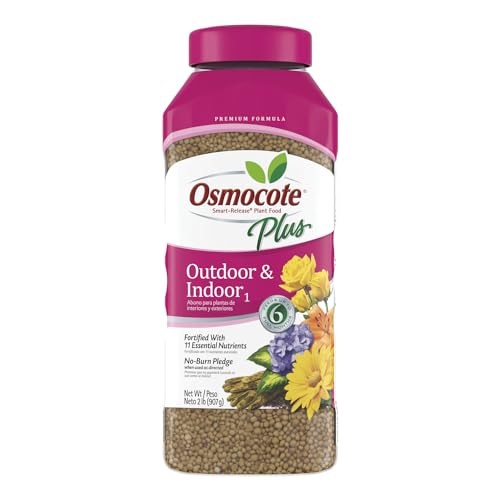
- CONTINUOUS RELEASE NUTRITION: Osmocote Smart-Release Plant Food Plus Outdoor & Indoor1 granular fertilizer contains 11 e…
- USE WITH VIRTUALLY ALL PLANTS: This plant food for houseplants, flowers, vegetables, trees, shrubs, roses, and more work…
- RESIN COATING: Each granule of Osmocote Plus Outdoor & Indoor1 is coated with a unique resin that controls nutritional r…
Basic Hydrangea Care Still Comes First
A multicolor hydrangea won’t look good if the plant is unhealthy.
Soil chemistry matters, but proper light, watering, mulching, and pruning are just as important.
Light
Most bigleaf and mountain hydrangeas prefer morning sun and afternoon shade, especially in hot Southern climates.
Too much afternoon sun can cause:
- Wilting
- Leaf scorch
- Faded flower color
- Dry soil
- Stress during hot weather
Too much shade may reduce flowering.
Water
Keep the soil evenly moist but not soggy.
Water deeply rather than giving the plant a light sprinkle every day.
A hydrangea may wilt during a hot afternoon and recover later in the evening. That doesn’t always mean it needs more water.
Check the soil before watering.
Mulch
Apply approximately two to three inches of mulch around the plant.
Keep the mulch several inches away from the stems.
Mulch helps:
- Retain soil moisture
- Reduce weeds
- Protect shallow roots
- Moderate soil temperature
- Reduce stress during hot weather
Pruning
Many bigleaf and mountain hydrangeas bloom on old wood.
That means next year’s flower buds may already be present on the stems before winter.
Heavy pruning at the wrong time can remove those flower buds.
Some newer varieties bloom on both old and new wood, but that doesn’t mean they should be cut to the ground every year.
Know your hydrangea variety before pruning.
When a plant has healthy leaves but no flowers, review our guide to why hydrangeas are not blooming before making additional soil changes.
Protect the Hydrangea From Winter Damage
In colder areas, flower buds on old wood may be damaged by winter temperatures or late spring freezes.
You can have perfect soil conditions and still get very few flowers if the buds are killed.
Protect vulnerable hydrangeas by:
- Planting them in a sheltered location
- Mulching the root zone
- Avoiding late-season pruning
- Protecting stems during severe cold
- Covering the plant during a late freeze when possible
A reblooming variety may still produce flowers on new wood, but the first flush is often affected by winter damage.
Why Your Hydrangea May Stay One Color
Even after you create separate soil zones, the plant may continue producing mostly one color.
Here are a few reasons.
The Roots Haven’t Reached the Treated Area
A younger hydrangea may have a smaller root system than you think.
The roots may not be absorbing amendments from the outer treatment zone yet.
The Soil pH Barely Changed
Clay soil and naturally alkaline soil can resist pH changes.
One application may not be enough, but you still shouldn’t apply more without testing.
The Variety Strongly Favors One Color
Some varieties change easily, while others remain mostly pink, red, purple, or blue.
Phosphorus Is Blocking Aluminum
High phosphorus levels may prevent the plant from absorbing enough aluminum to turn blue.
Water Is Mixing the Treatment Zones
Rainfall, sprinklers, or irrigation runoff may be moving amendments across the root zone.
You Haven’t Waited Long Enough
Hydrangea color changes may take one or two blooming seasons.
Why Mixed Colors May Appear Without Treatment
Sometimes nature creates multicolor hydrangeas without any help from us.
This may happen because:
- The soil pH naturally varies around the plant.
- Old building materials or concrete are raising the pH on one side.
- Pine trees or decomposing leaves are making another side more acidic.
- One section receives more rainwater.
- Fertilizer was applied unevenly.
- The plant was originally grown in a different potting mix.
- The hydrangea is transitioning from one color to another.
- The flowers are aging at different rates.
You may see a pink bloom next to a purple bloom simply because the flowers opened at different times.
Can One Flower Have Several Colors?
Yes.
Some hydrangea blooms may show:
- Pink edges with purple centers
- Blue petals with lavender shading
- Green, pink, and purple together
- Different colors on separate florets
This may happen because the flower is developing, aging, or responding to changing soil conditions.
Temperature, sunlight, maturity, and variety can also affect the final shade.
How Long Will the Multicolor Effect Last?
The mixed-color effect will last only as long as the soil conditions remain different.
Over time, the soil may begin returning to its natural pH.
Rain, irrigation, leaf litter, fertilizer, and decomposing mulch all influence soil chemistry.
You may need occasional maintenance applications, but don’t apply products on a fixed schedule without testing.
Test the soil at least once a year, preferably before making additional adjustments.
Should You Try This on a Newly Planted Hydrangea?
It’s usually better to let a newly planted hydrangea become established before making aggressive soil changes.
The plant is already adjusting to:
- A new location
- A new soil type
- Different light conditions
- Different watering
- Root disturbance
- Transplant stress
Give the hydrangea time to establish a healthy root system.
You may begin with gentle soil management, but avoid trying to force dramatic color changes during the first few months after planting.
A healthy plant is more important than flower color.
Give a new plant time to settle in, and use our guide to keeping newly planted shrubs alive in summer for help with first-season care.
Can You Create Multicolor Hydrangeas in a Container?
You can grow a color-changing hydrangea in a container, but creating several colors on one container-grown plant is even more difficult.
The potting mix is contained in a small area, and water quickly spreads amendments throughout the pot.
You may be able to produce a mix of purple, pink, and blue flowers during a transition period, but it’s hard to keep separate root zones inside one container.
For a dependable multicolor display, it’s usually easier to grow three hydrangeas in separate containers:
- One managed for blue
- One managed for purple
- One managed for pink
Place the pots close together so they appear to be one large multicolor planting.
The Easier Alternative: Plant Several Hydrangeas Together
Creating multiple colors on one plant can be a fun experiment, but it takes patience.
For more predictable results, plant three compatible hydrangeas near one another.
Choose varieties with similar:
- Mature size
- Growth habit
- Bloom time
- Light requirements
- Water needs
Manage the soil around each plant separately.
You’ll have much more control and can still create the appearance of one large multicolor hydrangea grouping.
Common Mistakes to Avoid
Applying Amendments Without Testing
You may already have acidic or alkaline soil.
Adding the wrong product can create nutrient problems.
Using Too Much Product
More product won’t necessarily create a stronger flower color.
It may damage the roots.
Treating Too Close to the Stems
Apply amendments throughout the outer root zone, not directly against the base of the plant.
Expecting Immediate Results
Color changes often take months.
Mixing the Soil Zones
Avoid moving treated soil or mulch from one section to another.
Forgetting About Water Runoff
Water can move lime and aluminum sulfate across the root zone.
Ignoring Plant Health
A healthy hydrangea with one flower color is better than an unhealthy multicolor hydrangea.
Pruning Off the Flower Buds
Soil treatments won’t create blooms if the buds were removed during pruning.
Frequently Asked Questions
Can I make half of my hydrangea blue and half pink?
You can try to encourage different colors on opposite sides of a large, established bigleaf or mountain hydrangea.
However, you probably won’t get a perfectly divided plant because the roots and soil zones overlap.
How long will it take to see several colors?
You may see some change during the next blooming season, but it can take one or two years for a noticeable difference to develop.
Can I turn a white hydrangea blue and pink?
Most true white hydrangeas won’t turn blue or pink through soil adjustment.
Some may develop a faint tint, but they’ll generally remain white.
Will aluminum sulfate hurt my hydrangea?
It can if it’s applied too heavily or too often.
Always follow the product directions and test the soil before reapplying.
Will lime hurt the blue side of the plant?
It may if the lime moves into that section of the root zone.
Apply it carefully and prevent water runoff when possible.
Why did my blue flowers turn purple?
The soil pH may have increased, aluminum may have become less available, or the plant may be transitioning toward pink.
Why are some blooms green?
Many hydrangea flowers naturally become green as they age.
This isn’t always related to soil pH.
Can I use coffee grounds on the blue side?
Coffee grounds aren’t a reliable way to lower soil pH or turn flowers blue.
Use a tested soil amendment when needed.
Do I have to repeat the treatments every year?
Possibly, but don’t automatically reapply them.
Test the soil first and make adjustments only when needed.
What We Have Seen at Our Plant Farm
At Bobby & Lynn’s Plant Farm, we’ve seen mixed-color hydrangeas appear naturally when the soil varies around the root system. One side of a plant may receive more runoff, different mulch, or slightly different soil conditions than the other.
We’ve also learned that changing hydrangea color works best when adjustments are made slowly. Heavy applications of lime, aluminum sulfate, or soil acidifier can damage the roots long before they improve the flower color.
The healthiest results usually come from testing first, making small changes, keeping good notes, and giving the plant at least one full growing season to respond.
Final Thoughts
Creating multicolor hydrangeas on the same plant can be a fun garden experiment, but you’ll need patience and realistic expectations.
Start with a bigleaf or mountain hydrangea that’s capable of changing color. Test the soil in several places around the plant, divide the root zone into sections, and make small, carefully measured adjustments.
Use acidic conditions and available aluminum to encourage blue flowers. Use garden lime to gradually encourage pink flowers. Leave an area between them where the colors may blend into purple, lavender, or mauve.
Don’t expect a perfectly divided plant. Hydrangea roots spread, water moves, and soil amendments gradually mix.
What you may get instead is something even prettier—a natural blend of pink, blue, lavender, and purple flowers all growing together on the same hydrangea.
Make your changes slowly, keep good records, and always put the health of the plant ahead of the color of the flowers.
Need More Hydrangea Help?
Have questions about pruning, watering, planting, fertilizing, or getting your hydrangeas to bloom?
Visit our Hydrangea Help page for practical hydrangea guides, problem-solving tips, and straightforward advice to help you grow healthier plants with better blooms.