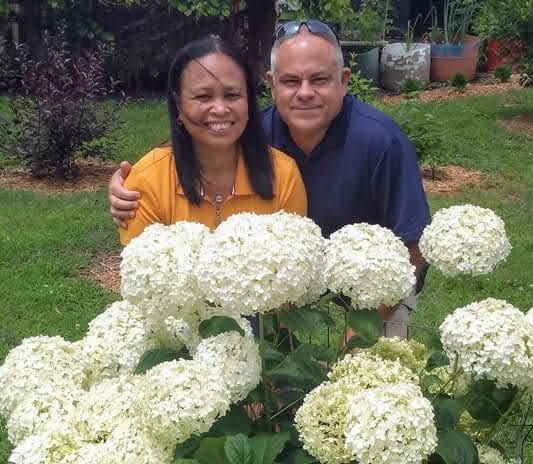
Learning how to dry hydrangeas is one of the easiest ways to enjoy those big blooms long after summer is gone. The trick isn’t simply cutting a pretty flower and bringing it indoors. When you cut the bloom matters just as much as how you dry it.
Cut a hydrangea too early and the flower head may wilt, shrivel, or turn brown. Wait until the bloom has begun to mature on the shrub, and it can dry beautifully while holding much of its shape and color.
Here at our plant farm in Georgia, we usually start watching the older blooms in late summer and fall. Once they begin feeling dry and papery instead of soft and fresh, they’re much better candidates for drying.
Quick Answer: How to Dry Hydrangeas
The easiest way to learn how to dry hydrangeas is to wait until the flowers have begun aging naturally on the shrub. Cut the blooms when the petals feel papery, remove the leaves, and place the stems in a vase with a small amount of water.
Put the vase somewhere cool and out of direct sunlight, then let the water disappear naturally. The flowers slowly dry as the water is used and evaporates.
For brighter pink or blue color, silica gel can preserve color better than traditional air drying.

About Bobby & Lynn

How to Dry Hydrangeas Successfully Starts With Timing
Before we get into the different methods, there’s one thing that makes more difference than almost anything else.
Don’t cut the blooms too early.
Fresh hydrangea flowers contain a lot of moisture. They may look perfect on the plant, but that doesn’t mean they’re ready to dry.
A bloom that has just opened is much more likely to wilt after it’s cut.
Instead, wait until the flower begins aging naturally.
Look for blooms that:
- Feel slightly papery instead of soft
- Have been open for a while
- Are beginning to develop deeper or antique colors
- Have firm florets instead of tender new ones
- Hold their shape well when touched
The University of Connecticut Home & Garden Education Center recommends allowing hydrangea flowers to partially dry on the plant before harvesting them and notes that late summer through fall is often a good time to cut them.
That matches what we’ve seen ourselves.
If we want flowers for drying, we’d rather wait a little too long than cut them too soon.
How to Dry Hydrangeas #1: Use the Water-Vase Method
This is probably our favorite method for beginners.
It sounds a little strange because you’re trying to dry flowers by putting them in water.
But it works because the hydrangea dries gradually instead of losing moisture all at once.
Cut your hydrangea with a good-length stem. Around 12 to 18 inches gives you plenty to work with later.
Remove the leaves.
Place the stems in a vase with an inch or two of water.
Then leave them alone.
Don’t keep refilling the vase.
The hydrangeas take up some of the water while the rest gradually evaporates. As that happens, the flower heads slowly dry.
Place the vase somewhere out of direct sunlight.
Direct sun can fade the flowers much faster.
When we’re explaining how to dry hydrangeas, this is the method we’d tell most people to try first because it doesn’t require any special equipment.
How to Dry Hydrangeas #2: Let Them Dry Upright in an Empty Vase
Some mature hydrangea flowers are already dry enough when you cut them that they don’t need water at all.
Remove the leaves and place the stems directly into an empty vase.
Then let nature do the rest.
The University of Connecticut hydrangea guide notes that mature hydrangea blooms can simply be arranged in a vase and allowed to dry.
This works especially well when the flower heads already feel papery.
Thicker stems usually stay upright nicely.
If the stems are thin or flexible, they may bend as they dry. In that case, hanging them may work better.
How to Dry Hydrangeas #3: Hang Them Upside Down
Air drying is the classic flower-drying method.
Remove the leaves and hang the hydrangeas upside down somewhere warm, dry, and away from direct sunlight.
Because hydrangea flower heads are large, we prefer hanging them individually or in very small groups.
Good air circulation is important.
A basement corner that stays damp isn’t ideal.
A dry room, closet, shed, or similar protected area can work better.
The University of Illinois Extension recommends hanging flowers in a dry, dark area with good airflow and notes that large flowers such as hydrangeas can be hung individually.
Air drying normally takes a couple of weeks.
The blooms should feel completely dry before you use or store them.
Will Air Drying Keep Hydrangea Color?
Some color will usually remain, but don’t expect a freshly cut bright-pink bloom to look exactly the same after drying.
Colors tend to become softer and more antique-looking.
Honestly, we think that’s part of the charm.
The greens, faded pinks, burgundies, creams, and muted blues can look great in fall arrangements.
How to Dry Hydrangeas #4: Let Them Dry Naturally on the Shrub
Here’s the easiest method of all.
Do nothing.
Hydrangea blooms naturally begin drying as they age on the plant.
Leaving them outdoors lets much of the moisture disappear before you ever cut them.
Once they feel dry and papery, you can cut them for indoor arrangements.
The downside is weather.
Heavy rain, strong wind, humidity, or an early freeze can damage the blooms before you get to them.
Mississippi State University Extension’s guide to growing and drying hydrangeas notes that letting blooms dry naturally on the plant is the simplest preservation method, although weather can spoil the flowers.
Here in Georgia, fall weather can be all over the place.
We can have beautiful dry stretches followed by days of rain.
So if a bloom has reached the color and texture we want, we wouldn’t leave it outside forever waiting for perfection.
How to Dry Hydrangeas #5: Use Silica Gel for Better Color
If preserving brighter color is your biggest goal, silica gel is worth trying.
This method is especially useful with colorful blue or pink flowers.
You’ll need a container deep enough to hold the flower head and enough silica gel to surround it completely.
Start with a layer of silica gel in the bottom of the container.
Place the flower inside.
Then gently add more silica around and through the flower head until the bloom is covered.
Seal the container.
The silica pulls moisture from the flower much faster than ordinary air drying.
Mississippi State University Extension recommends silica gel when preserving more of the natural pink or blue color is important and notes that flowers should not be left in the drying material too long or they can become brittle.
Follow the directions that come with the silica product because drying times can vary.
This takes a little more effort, but it can give you some of the best-looking dried blooms.
How to Dry Hydrangeas #6: Try Borax and Cornmeal
There’s another old-fashioned drying method that doesn’t get talked about as much anymore.
A borax and cornmeal mixture can act as a drying material much like silica gel.
Mississippi State Extension recommends a mixture of three parts borax to two parts white cornmeal as another option for preserving hydrangea blooms.
The basic idea is similar to silica drying.
Put some of the mixture in the bottom of a sealable container.
Place the hydrangea bloom inside.
Carefully work the mixture around the bloom so the flower is supported and covered.
Seal the container while the material draws moisture out of the flower.
This method takes more setup than simply putting stems in a vase, so it probably wouldn’t be our first choice.
But if you enjoy preserving flowers or making dried arrangements, it’s another method worth trying.
How to Dry Hydrangeas #7: Keep Light Away While They Dry
This final tip may sound simple, but it can make a noticeable difference.
Keep drying hydrangeas out of strong sunlight.
Sunlight fades flowers.
That’s useful to remember whether you’re hanging hydrangeas, drying them in a vase, or displaying them after they’re dry.
A bright window may look like the perfect place for a vase of hydrangeas, but several hours of strong sun can bleach those colors surprisingly quickly.
For the best color retention, use a place with indirect light while they dry.
And after they’re dried, display them away from strong direct sunlight whenever possible.
That won’t freeze their color forever, but it can help them stay attractive longer.
How to Cut Hydrangeas for Drying
Once your blooms are ready, use clean, sharp pruners.
Cut a stem long enough for whatever you plan to do with the flower.
We normally prefer leaving the stems longer.
You can always shorten a stem later.
Remove the leaves because they don’t dry nearly as nicely as the flower heads and they also continue losing moisture.
If you’re cutting bigleaf or oakleaf hydrangeas, remember that pruning matters.
Don’t use flower drying as an excuse to cut halfway down the shrub.
Many bigleaf hydrangeas begin forming the buds for next year’s flowers during late summer and fall.
Cut only what you need.
Our guide explaining when to deadhead hydrangeas can help if you’re unsure how much stem is safe to remove.
How to Dry Hydrangeas Without Wilting
This was actually one of the searches that led us to write this guide.
The biggest reason freshly cut hydrangeas collapse is that they were harvested too early.
If you cut a fresh, tender bloom during its peak flowering stage and immediately try to dry it, it contains too much moisture.
Instead of slowly drying while maintaining its structure, it may simply wilt.
Wait until the flower begins changing texture on the shrub.
That papery feeling is your clue.
If you’ve got freshly cut flowers that are wilting and you’re trying to keep them alive rather than dry them, that’s a different problem. Our guide to why hydrangeas wilt and how to save them walks through that situation.
Which Hydrangeas Are Best for Drying?
You can dry many types of hydrangeas.
Panicle hydrangeas are especially fun because their flowers often change color as the season progresses.
A flower that started white may later develop shades of green, pink, rose, or burgundy.
Bigleaf hydrangeas can give you those beautiful muted blues, purples, greens, and pinks.
Smooth hydrangeas such as Annabelle can dry into soft green and cream shades.
Oakleaf flowers can also develop attractive antique colors as they age.
The exact dried color depends on the variety and the stage at which you cut it.
When Is the Best Time to Dry Hydrangeas?
Late summer into fall is often the sweet spot.
But we wouldn’t put an exact date on the calendar.
A hydrangea in Georgia isn’t necessarily going to reach the same drying stage at the same time as one growing farther north.
Watch the flower instead.
When you’re learning how to dry hydrangeas, the bloom tells you more than the month does.
Fresh and soft?
Wait.
Aged, firm, and papery?
Now you’re getting somewhere.
Our hydrangea care by month guide can also help you follow what the plants are doing throughout the entire growing season.
How to Keep Dried Hydrangeas From Turning Brown
You can’t completely stop dried flowers from changing color over time.
They’re natural plant material.
But you can help.
Start with blooms that are already maturing naturally.
Keep them out of strong direct sunlight.
Make sure they dry thoroughly.
Keep them away from excessive humidity.
And don’t constantly handle the flower heads once they’re dry.
Dried hydrangeas become brittle.
One good bump can turn a beautiful dried bloom into hydrangea confetti all over the floor.
Ask us how we know.
Why Do White Hydrangeas Sometimes Dry Green?
This can be completely normal.
Many white hydrangeas naturally develop green tones as their blooms mature.
Some panicle and smooth hydrangeas go through beautiful green stages before eventually turning tan or brown.
That means a white bloom you cut for drying may end up looking green, cream, or antique instead of bright white.
If you’ve ever wondered why this happens while the flower is still growing, our article explaining why white hydrangeas turn green goes into the reasons.
Those mature green flowers can actually be some of our favorites for drying.
How Long Do Dried Hydrangeas Last?
Well-dried hydrangeas can remain attractive for many months and sometimes much longer.
Over time, though, color fades and the petals become more fragile.
How long they look good depends heavily on where you keep them.
Direct sun speeds up fading.
High humidity can soften dried material and encourage deterioration.
Constant handling causes breakage.
A dry arrangement sitting away from strong sunlight can stay attractive for a long time.
When they finally start looking tired, there’s always another hydrangea season coming.
What Can You Do With Dried Hydrangeas?
Once you’ve learned how to dry hydrangeas, you’ll probably start finding excuses to cut a few more.
Use them in:
- Table arrangements
- Fall decorations
- Wreaths
- Mantel displays
- Dried bouquets
- Holiday arrangements
- Decorative baskets
- Floral crafts
One of the nice things about dried hydrangeas is that a single big flower head fills quite a bit of space.
You don’t need dozens of flowers to create an arrangement.
A few good blooms can be enough.
Our Favorite Way to Dry Hydrangeas
If you’re doing this for the first time, we’d start with the water-vase method.
Wait until the bloom feels papery.
Cut a long stem.
Remove the leaves.
Place it in a small amount of water.
Keep it out of direct sunlight.
Then leave it alone.
It really can be that simple.
Once you’ve had success with that method, experiment with air drying or silica gel and see which finished look you prefer.
Final Thoughts on How to Dry Hydrangeas
The biggest secret to how to dry hydrangeas isn’t fancy equipment.
It’s patience.
Wait until the flower is ready.
A mature bloom that has already started drying naturally has a much better chance of keeping its shape than a fresh flower cut too soon.
For the simplest approach, let the flowers age on the shrub and finish drying them in a vase.
For stronger color, give silica gel a try.
And whatever method you choose, keep the flowers away from strong direct sunlight while they dry.
That’s really all there is to it.
You grew those beautiful blooms all season. You might as well enjoy them a little longer.
If you enjoy growing hydrangeas, follow Bobby & Lynn’s Plant Farm on Facebook. We share what we’re seeing in our own hydrangeas here in Georgia, along with practical tips for pruning, planting, watering, and getting more blooms.
Discover more from Bobby and Lynn’s Plant Farm
Subscribe to get the latest posts sent to your email.