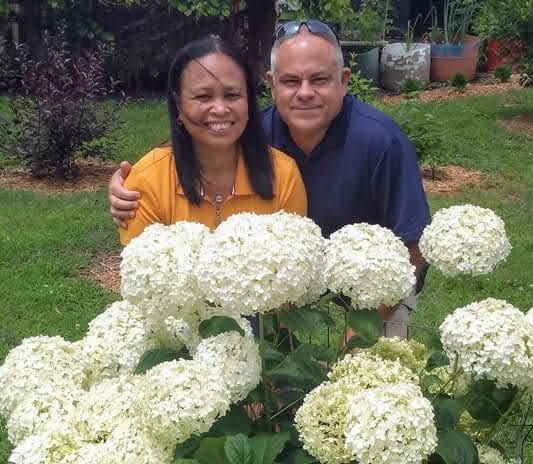
A white hydrangea turning green can be surprising, especially when the shrub was covered in bright white flowers only a few weeks earlier. The good news is that green hydrangea blooms are usually a normal part of the flowering cycle rather than a sign that the plant is sick.
Many white hydrangeas naturally open pale green, turn white at their peak, and return to green as the flowers mature. The exact color progression depends on the hydrangea type, variety, temperature, sunlight, moisture, and age of the blooms.
Before adding fertilizer, changing the soil pH, or cutting off every green flower, take a closer look at what your hydrangea is doing. The color change may be exactly what that variety was bred to do.
Quick Answer: A white hydrangea turning green is usually normal and most often happens as the flowers age. Many white panicle, smooth, bigleaf, and oakleaf hydrangeas naturally develop green tones during part of their bloom cycle. Soil pH usually is not the cause, and as long as the leaves and stems look healthy, the green flowers are generally nothing to worry about.
What We’ve Seen: Here at Bobby & Lynn’s Plant Farm, we grow several white flowering hydrangeas, and one thing we’ve learned is that you can’t judge a hydrangea by one stage of its bloom. Some varieties may start green, turn bright white, and then develop green tones again as the flower ages. Others may stay white longer before the color begins to change.
When we see green blooms on an otherwise healthy hydrangea, we look at the whole plant before worrying about it. If the leaves look healthy, the stems are firm, and the plant is getting the water it needs, the green color is usually just part of the normal bloom cycle.
About Bobby & Lynn

White Hydrangea Turning Green? Start With the Age of the Bloom
The most common reason for a white hydrangea turning green is simple flower aging.
What we usually call a hydrangea flower is largely made up of showy sepals. These structures can remain on the shrub much longer than the small fertile flowers they surround. As the flower head matures, its appearance gradually changes.
A typical progression may look like this:
- Pale green flower buds
- Creamy or bright white flowers
- Soft green mature blooms
- Tan, brown, pink or burgundy tones later
- Dry papery flower heads in fall or winter
This slow transformation is part of what gives hydrangeas such a long season of interest. The plant may not be producing fresh flowers for several months; instead, the same flower clusters remain attractive while changing color.
Some gardeners prefer the clean white stage, while others enjoy the antique green flowers that appear later in summer.
For more information about the full flowering season, read How Long Do Hydrangeas Bloom? How to Extend the Season.

Some Varieties Are Supposed to Turn Green
Hydrangea varieties do not all follow the same color pattern. Some white hydrangeas were specifically selected because their blooms develop noticeable green tones.
Puffer Fish panicle hydrangea, for example, opens with abundant white flowers that turn lime green as they age. Fresh white florets may then appear at the tips of the older green panicles. NC State Extension describes this white-to-lime-green progression as a normal characteristic of the cultivar.
Limelight is another well-known example. Its flowers often begin with lime-green tones, become lighter or creamier, and then develop pink, burgundy or deeper green shades later in the season.
Other hydrangeas commonly associated with green aging flowers include:
- Little Lime
- Puffer Fish
- Limelight
- Incrediball
- Annabelle
- Invincibelle Wee White
- Some white bigleaf hydrangeas
- Certain oakleaf hydrangeas
Invincibelle Wee White is described as producing white flowers that naturally age to green.
Before assuming something is wrong, look up the expected color progression for your exact variety. The green stage may be one of its normal features.
The Flowers May Have Opened Green Before Turning White
Not every green flower is an older bloom. Some hydrangeas begin green and turn white as the flower head develops.
Smooth hydrangeas such as Annabelle and Incrediball often produce tight green buds. As the flower heads expand, they become creamy white. Later, they may return to green before drying.
Certain panicle varieties also begin with light green flowers. Limelight is famous for this trait, and Little Lime produces a similar effect on a smaller shrub.
Look at the flower head closely:
- Small, firm green clusters may still be developing.
- Full-sized white blooms that gradually become green are probably aging.
- Green flowers with fresh, healthy foliage usually are not a cause for concern.
- Brown, crispy flowers accompanied by wilting or scorched leaves may indicate stress.
The direction of the color change matters. A young green flower becoming white is developing, while an older white flower becoming green is maturing.
Summer Heat Can Change the Color Progression
Temperature affects how hydrangea flowers age.
In areas with cool nights, some white panicle hydrangeas develop strong pink, red or burgundy tones after their white stage. In very hot climates, the color change may be less dramatic. The blooms may remain green longer, fade unevenly or turn brown before rich pink coloring develops.
That does not necessarily mean the plant was mislabeled. Photos on plant tags are often taken under ideal conditions, and the same variety can look different in Georgia, Michigan, Oregon or New England.
Hot afternoon sunlight can also shorten the clean white stage. The blooms may begin aging sooner when they are exposed to:
- Intense western sun
- Heat reflected from brick or siding
- Pavement and driveways
- Hot, drying winds
- Repeated periods of wilting
Panicle hydrangeas tolerate more direct sun than many other hydrangeas, but even they benefit from dependable moisture during extreme heat.
Morning sun with some afternoon protection may help white flowers remain attractive longer in warmer regions.
Sunlight Can Affect How Green the Blooms Look
Sun exposure can influence how quickly hydrangea flowers mature and how their colors appear.
A white hydrangea growing in strong sunlight may move through its white stage faster, especially during hot weather. Flowers in partial shade may retain a softer white or green appearance for a longer period.
Too much shade can create a different problem. The shrub may produce fewer flowers, weaker stems and looser growth. Deep shade does not necessarily cause a white bloom to turn green, but it can affect the overall quality of the display.
The ideal amount of light depends on the hydrangea type:
Panicle hydrangeas
Panicle hydrangeas usually tolerate full sun better than other types. In hot climates, some afternoon shade can reduce heat stress.
Smooth hydrangeas
Smooth hydrangeas grow in sun or partial shade but need more dependable moisture as sunlight increases.
Bigleaf hydrangeas
Bigleaf hydrangeas usually perform best with morning sun and protection from harsh afternoon heat.
Oakleaf hydrangeas
Oakleaf hydrangeas tolerate partial shade well, although some sunlight is needed for good flowering.
Adjust the location according to the type rather than treating every hydrangea the same.
Water Stress Can Shorten the White Stage
Water stress does not usually create healthy green flowers by itself, but it can change how quickly the blooms age.
A hydrangea that repeatedly dries out may conserve its resources. Instead of developing the strong pink or red color advertised for some panicle varieties, the flower heads may fade, become dull or turn brown.
Too much water can also weaken the plant. Constantly soggy soil reduces oxygen around the roots and may lead to yellow foliage, weak growth and poor flower quality.
Proven Winners notes that both excessive and insufficient water can interfere with the normal aging color of panicle hydrangeas, sometimes causing flowers to turn brown instead of developing their expected pink tones.
Check the soil before watering:
- If the soil is dry two or three inches down, water deeply.
- If it is still moist, wait and check again.
- If water stands around the shrub, investigate drainage.
- If the plant wilts only during the hottest afternoon hours but recovers by evening, heat may be the main cause.
For a complete guide, read Do Hydrangeas Need a Lot of Water? Avoid These Mistakes.
Soil pH Is Probably Not the Cause
Gardeners often assume every hydrangea color change is caused by soil pH. That is not true.
Soil acidity can influence the flower color of certain bigleaf and mountain hydrangeas. These varieties may produce blue flowers in acidic soil with available aluminum and pink flowers under less acidic conditions.
However, soil pH does not normally control whether a white hydrangea becomes green.
White hydrangeas generally lack the pigments required to become strongly blue or pink. Panicle, smooth and oakleaf hydrangeas also do not turn blue because sulfur or aluminum sulfate was added to the soil.
UGA Extension notes that white-flowering varieties generally remain white rather than changing between pink and blue in response to soil chemistry.
Do not add lime, sulfur or aluminum sulfate solely because a white hydrangea has turned green. Test the soil first and use amendments only when there is a clear reason.
Unnecessary pH adjustments can create nutrient problems and may damage the shrub’s roots.
UGA Extension explains how soil pH affects pink and blue bigleaf hydrangeas, but white varieties do not respond in the same way because they lack the pigments needed for that color change.
The Green Blooms May Be Lasting Longer Than Expected
A green flower head can remain on a hydrangea for weeks or even months.
As the showy parts of the bloom age, their texture becomes thicker and more papery. This helps the flower head remain upright long after its brightest color has faded.
That extended display may create the impression that the shrub is producing green flowers all season. In reality, you may be looking at the same blooms that opened earlier in the summer.
This is particularly common with:
- Panicle hydrangeas
- Smooth hydrangeas
- Oakleaf hydrangeas
- White bigleaf hydrangeas
- Hydrangeas grown for dried flowers
You can leave the green blooms on the plant for seasonal interest or cut them for arrangements once they feel firm and slightly papery.
Avoid cutting newly opened hydrangea flowers for drying. Immature blooms often wilt because their tissues are still soft and filled with moisture.
Is a White Hydrangea Turning Green Ever a Problem?
Usually, no. A gradual and even change from white to green is generally normal.
Be more concerned when the flower change appears alongside other symptoms, such as:
- Brown or black flower tissue
- Mushy blooms
- Spotted or discolored leaves
- Yellow foliage throughout the shrub
- Wilting while the soil remains wet
- Sudden collapse of stems
- An unpleasant smell near the roots
- Little or no new growth
- Flowers that dry and crisp immediately after opening
Those symptoms may point to drought stress, poor drainage, disease, root damage or severe heat exposure rather than normal flower aging.
A healthy hydrangea with green flowers should still have firm stems and foliage appropriate for the season.
Should You Remove Green Hydrangea Blooms?
Removing the green blooms is optional.
Deadheading can make the shrub look tidier, but it is not necessary for the plant’s health. If you decide to remove them, see our guide on when to deadhead hydrangeas so you know where to make the cut. Leaving the flowers in place does not usually prevent the hydrangea from blooming the following year.
When deadheading, make sure you know whether the hydrangea blooms on old or new wood.
For a bigleaf or oakleaf hydrangea, make a light cut just above the first healthy pair of leaves below the flower. Avoid cutting deeply into older stems, especially late in the season, because next year’s flower buds may already be developing.
Panicle and smooth hydrangeas bloom on new growth, but they still do not require constant deadheading.
Green hydrangea blooms can also be useful for:
- Fresh arrangements
- Dried bouquets
- Wreaths
- Fall decorations
- Indoor displays
Their firmer texture often makes mature green blooms easier to dry than fresh white ones.
Can You Make the Flowers Turn White Again?
Once an individual bloom has matured from white to green, you generally cannot reverse it. Fertilizer, extra water or pH adjustments will not make that same aging flower fresh and white again.
The shrub will need to produce a new flower.
You can help future blooms look their best by providing:
- Appropriate sunlight
- Even soil moisture
- Good drainage
- A layer of organic mulch
- Enough space for healthy growth
- Correct pruning
- Moderate fertilization only when needed
Avoid applying extra fertilizer simply because the flowers changed color. Excess nitrogen may create large leaves and vigorous stems without improving flower quality.
What About White Panicle Hydrangeas?
Green flowers are especially common among panicle hydrangeas.
Panicle blooms usually open white, cream or green and then change as summer progresses. Depending on the variety, mature flowers may become:
- Lime green
- Blush pink
- Rose
- Deep red
- Burgundy
- Tan or bronze
UGA Extension describes panicle hydrangeas as producing cone-shaped white flowers that commonly change to green, pink or red as summer advances.
Varieties such as Puffer Fish are known for aging to lime green, while Limelight is valued specifically for its green flower tones. Other varieties, including Pinky Winky and Fire Light, were selected for stronger pink or red coloring.
Read What Hydrangea Has Cone-Shaped Flowers? 7 Beautiful Types to compare popular panicle varieties.
What About White Smooth Hydrangeas?
Smooth hydrangeas such as Annabelle often begin with green buds, become white and then return to green as the blooms mature.
This is one of their most recognizable characteristics.
The older green flowers can remain attractive for a long time, especially when the plant receives consistent moisture and protection from extreme afternoon heat.
Smooth hydrangeas bloom on new wood. They can usually be pruned in late winter or early spring, but severe yearly pruning may encourage weaker stems and oversized flowers that flop after rain.
The green flower stage itself does not indicate that the plant needs pruning.
What About White Bigleaf Hydrangeas?
White bigleaf hydrangeas may develop pale green tones as they mature, particularly later in the flowering season.
Unlike blue or pink bigleaf varieties, their white color generally does not change dramatically in response to soil pH. UGA explains that bigleaf flower-color changes involving pink and blue depend on soil chemistry and aluminum availability, while white varieties do not respond in the same way.
A white bigleaf hydrangea may also develop touches of pink, burgundy or tan as its blooms age, depending on the cultivar and weather.
Do not try to correct a normal green stage with acidifier.
What About White Oakleaf Hydrangeas?
Oakleaf hydrangeas produce elongated white flower clusters that gradually change as they mature.
Many turn pink and then brown, while some cultivars develop noticeable green tones. The flowers may remain on the shrub for months, creating summer, fall and even winter interest.
NC State Extension describes Gatsby Glow Ball oakleaf hydrangea as producing white flower clusters that mature to lime green.
Oakleaf hydrangeas bloom on old wood, so avoid heavy pruning in winter or early spring. When pruning is necessary, do it shortly after flowering.
Frequently Asked Questions
Why are my white hydrangeas turning green in summer?
In most cases, the blooms are simply aging. Summer heat, strong sunlight, and the hydrangea variety can affect how quickly white flowers develop green tones. If the leaves and stems still look healthy, the color change usually isn’t a problem.
Do white hydrangeas naturally turn green?
Yes. Some white hydrangeas start green, turn white, and may become green again as the blooms age. Others open white and gradually develop green tones later in the season. It depends on the type and variety.
Can I make a green hydrangea bloom turn white again?
Usually not. Once an individual white bloom has matured and turned green, fertilizer, extra water, or changing the soil pH won’t turn that same flower white again. You’ll need to wait for the plant to produce fresh blooms.
Credible Sources
We base our advice on what we grow and observe here at Bobby & Lynn’s Plant Farm, then compare those observations with trusted horticultural sources.
North Carolina State Extension notes that Puffer Fish® Hydrangea blooms open white, age to lime green, and can even produce fresh white flowers from the tips of older green blooms.
University of Georgia Extension also explains that white hydrangea varieties don’t respond to soil pH the same way pink and blue bigleaf hydrangeas do.
The Simple Answer
Why is your white hydrangea turning green? In most cases, the flowers are simply aging or following the natural color pattern of that particular variety.
Green blooms are especially common on panicle and smooth hydrangeas. Heat, sunlight and moisture can influence how quickly the change occurs and whether the flowers later develop pink, red or brown tones.
Soil pH is rarely the explanation. Adding acidifier will not turn an aging green flower back to white, and it will not make panicle or smooth hydrangeas blue.
As long as the foliage and stems remain healthy, enjoy the green flowers as another stage of the hydrangea’s long seasonal display.
Discover more from Bobby and Lynn’s Plant Farm
Subscribe to get the latest posts sent to your email.