Problem area plants can turn difficult spots in your yard into areas that actually work. Hot driveways, deep shade, wet soil, tree roots, narrow spaces, and reflected heat all create different growing conditions, so the key is choosing plants that match the problem instead of fighting it.
The secret is choosing the right plant for the right place. Instead of trying to force a plant to grow where it doesn’t want to, look at what that spot already has going on. Is it sunny? Shady? Wet? Dry? Narrow? Hard to mow?
Once you figure that out, you can turn that problem area into one of the prettiest parts of your yard.
Quick Answer
The best problem area plants are ones that match the actual conditions in the spot. Use heat-tolerant plants for hot driveways and mailboxes, shade-tolerant plants under trees, moisture-loving plants in damp areas, and compact plants in narrow spaces. Check sunlight, drainage, nearby roots, and mature size before choosing what to plant.

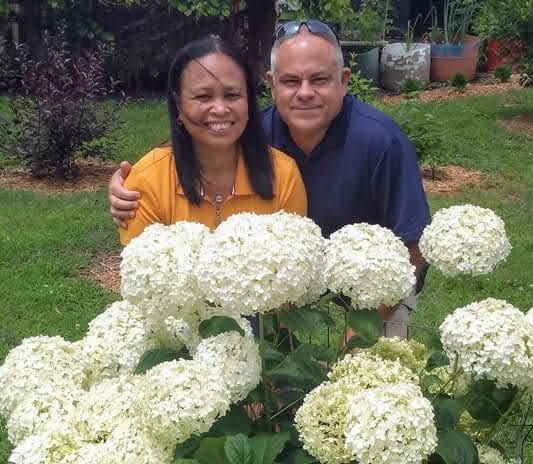
About Bobby & Lynn

Why Some Yard Spots Are Hard to Plant
Before picking plants, take a good look at the space. Most problem areas in the yard are difficult for one of a few reasons.
Some spots get blazing hot afternoon sun. Some stay shady almost all day. Some have poor drainage and hold water after every rain. Others are narrow, close to concrete, or tucked beside a fence, porch, mailbox, or driveway.
UGA Extension recommends matching each plant to the site’s sunlight, soil moisture, drainage, spacing, and temperature conditions. Their guide to native plants and low-maintenance landscapes is a helpful reminder that the right plant in the right place usually needs less correction later.
That little bare patch may not be a failure at all. It may just be waiting on the right plant.
For help diagnosing the cause first, read 7 signs your yard has a problem and how to fix it.
Best Plants for Hot Sunny Spots
Hot sunny spots are common in Southern yards. These areas can dry out quickly, especially near driveways, sidewalks, patios, and mailboxes. Plants in these spaces need to handle heat, bright sun, and sometimes a little neglect.
Purple Coneflower
Purple coneflower is a tough, dependable perennial for sunny areas. It brings pretty summer blooms, attracts pollinators, and works well in flower beds, mailbox gardens, and fence-line plantings.
It is a good choice when you want something cheerful without needing to baby it every day.
Black-Eyed Susan
Black-eyed Susan is another great plant for sunny problem areas. The bright yellow blooms stand out beautifully and can make a plain corner look lively fast.
This plant works well in casual beds, cottage-style gardens, and sunny borders. It also pairs nicely with coneflowers, bee balm, and ornamental grasses.
Butterfly Bush
If you have room for a larger shrub, butterfly bush can be a wonderful choice for a sunny awkward spot. It adds height, blooms through the warm season, and brings in butterflies.
Just make sure you choose a variety that fits your space. Some butterfly bushes can get wide, and you don’t want to plant one right where it will crowd a walkway.
Learn more about intense afternoon exposure in our guide to what “full sun” really means for plants.
Best Plants for Shady Spots
Shade can feel tricky because so many flowering plants want sun. But shade does not mean your garden has to look boring. The key is using plants that enjoy lower light and can still add texture, color, or blooms.
Hosta
Hostas are one of the easiest choices for shady spots. Their big leaves help fill empty spaces under trees, along shaded walkways, or beside the house where the sun barely reaches.
They are especially helpful when you need foliage more than flowers. A shady corner can look much more finished with a few well-placed hostas and fresh mulch.
Oakleaf Hydrangea
Oakleaf hydrangea is a beautiful shrub for part shade. It has large leaves, pretty blooms, and wonderful fall color. It works especially well in natural-looking beds, woodland edges, and shaded fence lines.
This is a great plant when you want something that looks good for more than one season.
Annabelle Hydrangea
Annabelle hydrangea can brighten up a partly shaded spot with large white blooms. It works well near foundations, along fences, or in areas that get morning sun and afternoon shade.
Give it enough room to grow, and it can turn a dull space into a soft, classic garden feature.
Best Plants for Wet or Low Spots
Some areas of the yard stay damp after rain. Low spots, areas near downspouts, and places with poor drainage can be hard on plants that need dry feet.
For these areas, choose plants that can handle moist soil better than average garden plants.
Moist-soil plants can tolerate more moisture than average, but very few shrubs will thrive in soil that stays flooded for long periods.
Red Twig Dogwood
Red twig dogwood is a good shrub for moist areas. It adds structure during the growing season and gives beautiful winter interest with its colorful red stems.
This is a smart choice for the back of a bed, a damp corner, or an area where you want something pretty even after the flowers are gone.
Yellow Twig Dogwood
Yellow twig dogwood is similar, but with golden-yellow stems that stand out in winter. It can help brighten a wet or plain area and works well when planted in groups.
Both red and yellow twig dogwoods are useful plants because they solve a problem and add seasonal interest.
Bee Balm
Bee balm is a great choice for sunny to partly sunny spots with consistent moisture. It brings in hummingbirds, butterflies, and bees, and it adds a cheerful, natural look to the garden.
If you have a damp area that still gets decent sun, bee balm can help turn it into a pollinator-friendly planting spot.
Best Plants for Narrow Spaces
Narrow spots need careful planting. These areas are often beside sidewalks, driveways, porches, or the side of the house. The biggest mistake is planting something that gets too wide.
Always check the mature height and width before planting in a tight space.
Before planting near a house or walkway, review how to plant flowering shrubs in your landscape.
Little Limelight Hydrangea
Little Limelight hydrangea is a nice choice when you want hydrangea blooms without using a huge amount of space. It works well in smaller beds, foundation plantings, and areas where a full-size panicle hydrangea may be too large.
It still gives you those beautiful summer blooms, but in a more manageable size.
Dwarf Crape Myrtle
A dwarf crape myrtle can bring summer color to a sunny narrow spot. It is especially helpful along driveways, near patios, or in smaller front yard beds.
Be sure to choose a true dwarf variety. Some crape myrtles get much larger than expected, and that cute little plant can turn into a pruning headache later.
Compact Evergreens
Compact evergreens are great when you want year-round structure. They may not be as showy as flowering shrubs, but they keep a bed looking neat even in winter.
Use them near walkways, porch edges, and foundation beds where you want a clean, finished look.
Best Plants for Fence Lines
Fence lines are perfect places to turn awkward space into a beautiful planting area. You can use taller shrubs in the back and shorter perennials in front.
Rose of Sharon
Rose of Sharon is a good choice for a sunny fence line. It gives height, blooms in summer, and helps soften the look of a plain fence.
It works especially well where you need a taller flowering shrub but don’t want something too formal.
Panicle Hydrangeas
Panicle hydrangeas such as Limelight, Little Limelight, Quick Fire, Phantom, and Pink Diamond can all work well along sunny fence lines if there is enough room.
They bring big blooms, strong garden presence, and a long season of interest. Just be sure to match the variety to the space.
Butterfly Bush
Butterfly bush can also work well along a fence, especially in a sunny area where you want pollinators. Plant it where it has room to spread and where the blooms can be enjoyed.
Best Plants for Mailbox and Driveway Areas
Mailbox and driveway spots can be rough. They often get hot sun, reflected heat from concrete, and less water than other beds. Plants here need to be tough and not too fussy.
Good choices include:
- Purple coneflower
- Black-eyed Susan
- Dwarf butterfly bush
- Compact ornamental grasses
- Smaller panicle hydrangeas, if there is enough room
Keep plants low enough that they don’t block views near the driveway or road. Pretty is good, but safe is better.
Don’t Forget Mature Size
One of the biggest planting mistakes is ignoring mature size. A plant may look small in the pot, but in a few years it may be crowding the sidewalk, blocking a window, or leaning into the driveway.
Before planting, check both the mature height and mature width. Give the plant enough room to grow naturally.
A crowded plant is like somebody stuck in a tiny chair at a family reunion. It may survive, but it sure won’t be comfortable.
For more buying guidance, read know this before buying plants.
Use Mulch to Make Awkward Spots Look Finished
Mulch can make a big difference in problem areas. It helps hold moisture, slows down weeds, protects roots, and makes the whole bed look cleaner.
Even a small awkward space looks more intentional with a clean edge, the right plant, and a fresh layer of mulch.
Keep the Planting Simple
You don’t need to fill every problem area with a dozen different plants. Sometimes simple is better.
A good plan could look like this:
Back of the bed: one flowering shrub
Middle of the bed: two or three perennials
Front of the bed: mulch, edging, or low-growing plants
That’s enough to make the area look planned without turning it into another high-maintenance chore.
What We See Most Often at Our Plant Farm
At Bobby & Lynn’s Plant Farm, the hardest planting spots are usually beside driveways, under mature trees, near downspouts, and against hot walls.
Those areas may look similar on the surface, but the problems can be completely different. One may be too dry, another may stay wet, and another may have heavy root competition.
Before choosing a plant, we look at sunlight, drainage, reflected heat, nearby roots, and mature size. Matching the plant to the problem usually works much better than repeatedly replacing plants that were never suited to the location.
Final Thoughts
Awkward yard spots are not wasted space. They are opportunities.
Whether the area is sunny, shady, wet, narrow, or just plain odd, there is usually a plant that can help make it better. Start by figuring out what the space needs, then choose plants that naturally fit those conditions.
The right plant in the right place can turn that problem spot into something beautiful. And around here, we’ll take that kind of garden win any day.