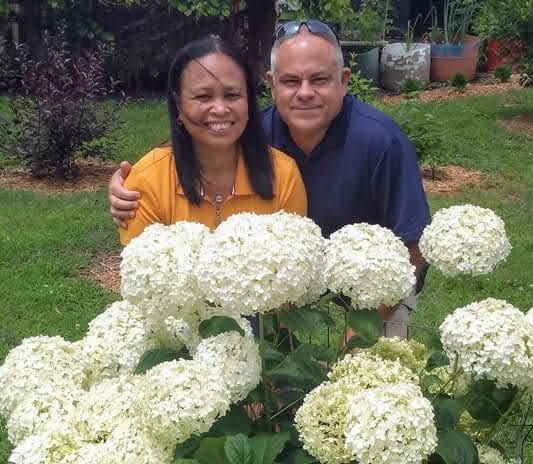
Panicle hydrangea bloom time usually begins in early summer and continues into fall. Many varieties start opening their cone-shaped flowers in June or July, but the exact timing depends on where you live, which variety you grow, spring weather, sunlight, and how the shrub was pruned.
Once the flowers open, they often remain attractive for months. Fresh blooms may begin creamy white or pale green before gradually turning pink, rose, burgundy, tan, or brown as summer moves toward fall.
That long, changing display is one reason panicle hydrangeas have become such dependable favorites in gardens across a wide range of climates.
Quick Answer
Most panicle hydrangeas bloom sometime between June and July and remain attractive through September or October. Early varieties may begin sooner, while later varieties may not reach their best display until midsummer.
In warmer parts of the South, an early-blooming variety may begin flowering in late spring or early summer. Gardeners in colder climates will usually see the first flowers later.
The blooms do not necessarily stay fresh and white throughout that entire period. Instead, each flower cluster slowly changes color as it ages, helping the shrub maintain interest long after the first flowers appear.
- Quick Answer
- Understanding Panicle Hydrangea Bloom Time
- Why Panicle Hydrangeas Bloom So Reliably
- What Panicle Hydrangea Flowers Look Like
- Early-Blooming Panicle Hydrangeas
- Popular Midseason and Later Varieties
- How Climate Affects Bloom Time
- Sunlight Can Change When They Bloom
- How Pruning Affects Bloom Time
- Why the Flowers Appear to Last So Long
- Can a Newly Planted Panicle Hydrangea Bloom?
- What Can Delay Panicle Hydrangea Flowers?
- How to Encourage More Flowers
- A Long Season of Changing Color
- Frequently Asked Questions
Understanding Panicle Hydrangea Bloom Time
Panicle hydrangea bloom time is influenced by several factors, so two plants of the same variety may not flower on exactly the same day.
Your climate has a major effect. Spring growth begins earlier in warm regions and later in areas with long, cold winters. A warm spring may move flowering forward, while an unusually cool spring can delay growth and blooms.
The individual variety matters too. Some panicle hydrangeas were selected specifically for earlier flowering, while others naturally begin their display later in summer.
You may also notice differences between plants growing in separate parts of the yard. A shrub receiving good morning sunlight may begin blooming before the same variety planted in heavier shade.

Why Panicle Hydrangeas Bloom So Reliably
Panicle hydrangeas bloom on new wood. This means their flower buds develop on the fresh stems produced during the current growing season.
That is different from many traditional bigleaf hydrangeas, which form much of the following year’s flower buds on older stems. Those old buds may be damaged by winter cold, late freezes, deer, or pruning at the wrong time.
Panicle hydrangeas start fresh each spring. New stems grow, flower buds develop, and the flowers open later that same season.
This new-wood blooming habit makes panicle hydrangeas especially dependable in places with cold winters or unpredictable spring weather. Even when winter damages part of the older growth, the shrub can produce fresh flowering stems during spring and summer.
Our hydrangea not blooming guide explains how pruning, sunlight, fertilizer, weather, and other conditions can affect different types of hydrangeas.
What Panicle Hydrangea Flowers Look Like
Panicle hydrangeas produce cone-shaped flower clusters rather than the rounded mophead flowers commonly associated with blue and pink bigleaf hydrangeas.
Depending on the variety, those clusters may be:
- Loose and lacy
- Full and densely packed
- Narrow and pointed
- Broad and rounded at the base
- Upright on strong stems
- Large enough to bend weaker branches
Most panicle varieties begin with white, cream, or greenish flowers. As the blooms age, they may develop soft pink, rose, raspberry, burgundy, tan, or brown tones.
The final color depends partly on the variety and partly on the weather. Cooler nights can help some varieties develop stronger pink and red shades. In very hot climates, the color change may be softer or less dramatic.
These changes are a normal part of the flower’s aging process. They do not mean the shrub is unhealthy.
Early-Blooming Panicle Hydrangeas
Gardeners who want flowers as early as possible should pay close attention to variety selection.
Quick Fire is one of the best-known early-blooming panicle hydrangeas. It often begins opening before Limelight and many other popular varieties. Its white flowers gradually age to pink and deeper reddish shades.
Little Quick Fire offers similar early flowering on a smaller shrub, making it easier to fit into foundation beds, smaller yards, and mixed borders.
Other varieties may begin around early to midsummer, depending on the climate and growing conditions.
Planting both early- and later-blooming varieties can create a longer overall display. As the first shrubs begin changing color, later varieties may just be reaching their freshest white-flower stage.
Popular Midseason and Later Varieties
Limelight commonly begins flowering during summer and continues holding its large clusters into fall. Its flowers often open pale green, become creamy white, and later develop pink or rose tones.
Phantom is known for especially large flower clusters. The blooms generally open creamy white in summer and may turn soft pink as cooler weather approaches.
PeeGee, also known as ‘Grandiflora,’ is a classic panicle hydrangea that develops large white flower clusters during summer. It can grow into a substantial shrub or be trained into tree form.
Bobo, Little Lime, Strawberry Sundae, Berry White, Pinky Winky, and Fire Light are other popular choices. Although their exact flowering dates differ, they generally provide summer flowers followed by changing late-season color.
How Climate Affects Bloom Time
Gardeners in warmer regions usually see panicle hydrangeas begin growing earlier in spring. That can lead to earlier flowering, especially with varieties such as Quick Fire.
However, warm weather does not guarantee that every panicle hydrangea will bloom in spring. For most varieties, early summer remains a more dependable expectation.
In colder zones, plants may remain dormant longer and begin blooming later. The advantage is that panicle hydrangeas are among the most cold-hardy hydrangeas. Because they bloom on new growth, winter cold is less likely to eliminate the entire flower display.
Local weather can shift the season from one year to another. A warm spring may bring blooms earlier than usual, while a cool or unusually dry season can slow development.
Instead of expecting flowers on one exact date, watch the ends of the new stems for small developing flower clusters.
Sunlight Can Change When They Bloom
Panicle hydrangeas generally tolerate more direct sunlight than bigleaf hydrangeas. Adequate sunlight encourages stronger stems and a better flower display.
In many climates, the plants perform well with at least four to six hours of sun. In cooler regions, they may tolerate full-day sun when the soil remains adequately moist.
Here in the South, some protection from the strongest afternoon sun can help reduce heat stress. Morning sun followed by light afternoon shade is often a good balance, especially when summers are hot and dry.
A panicle hydrangea planted in deep shade may still produce healthy-looking leaves, but flowering may be delayed or reduced. The new stems may also stretch toward the available light and become less capable of supporting heavy flowers.
How Pruning Affects Bloom Time
Because panicle hydrangeas bloom on new growth, they can be pruned during dormancy without removing flower buds formed the previous year.
Late winter or early spring is usually the easiest time to prune. At that point, you can see the shrub’s structure clearly, remove damaged branches, and shape it before strong new growth begins.
Avoid waiting until the shrub has produced long new shoots or developing flower clusters. Cutting back that fresh growth may remove the stems that would have carried the season’s blooms and delay flowering while the plant regrows.
Panicle hydrangeas do not have to be pruned every year. A healthy plant with a good shape may only need dead, damaged, crossing, or weak branches removed.
Cutting every stem very low can lead to fast, soft growth. Those long stems may struggle to support large, rain-soaked flowers later in summer.
Why the Flowers Appear to Last So Long
A panicle hydrangea does not usually produce completely new waves of flowers from summer until frost. Much of its long display comes from the way the existing flower clusters develop and age.
Not every cluster opens on the same day. Some are already fully white while others are still forming. As the oldest flowers begin turning pink, younger clusters may still look fresh and creamy.
Eventually, the blooms become papery and develop tan or brown shades. Many gardeners leave them on the shrub because they continue adding texture during fall and winter.
Our guide on helping hydrangeas bloom longer in summer explains how sunlight, moisture, pruning, and summer stress affect the appearance and longevity of hydrangea flowers.
Can a Newly Planted Panicle Hydrangea Bloom?
A nursery-grown panicle hydrangea may bloom during its first season in the garden, especially if it was already mature enough to form flower buds before being planted.
However, first-year flowering is not guaranteed.
A newly planted shrub may devote much of its energy to establishing roots. Hot weather, transplant stress, irregular watering, or a major change in sunlight can also reduce or delay the first display.
Do not assume something is wrong if a young plant produces only a few flowers. Give it consistent moisture, suitable sunlight, mulch around the root zone, and time to settle in.
A stronger display often develops once the shrub has established a healthy root system.
What Can Delay Panicle Hydrangea Flowers?
A panicle hydrangea may bloom later than expected because of:
- A naturally late-flowering variety
- An unusually cool spring
- Too much shade
- Heavy pruning after spring growth began
- Deer eating new stem tips
- Excess nitrogen encouraging leaves instead of flowers
- Drought or repeated severe wilting
- Recent transplanting
- A young or newly propagated plant
- Winter or storm damage that forced the shrub to regrow
Large green leaves do not always indicate that the plant is receiving everything it needs. Excess nitrogen, for example, can encourage lush foliage while reducing flower production.
Before adding more fertilizer, check the shrub’s sunlight, watering, pruning history, and surrounding lawn treatments.
How to Encourage More Flowers
Start by giving the shrub enough sunlight. Panicle hydrangeas generally need brighter conditions than bigleaf hydrangeas, although some afternoon protection can be helpful in very hot regions.
Water deeply rather than wetting only the soil surface. Newly planted hydrangeas need particular attention during their first growing season.
Apply two to three inches of mulch over the root zone to conserve moisture and moderate soil temperature. Keep the mulch slightly away from the main stems.
Prune, when necessary, during late winter or early spring. Avoid repeatedly cutting the shrub during active spring growth.
Be careful with fertilizer. A plant growing near a fertilized lawn may already be receiving more nitrogen than you realize.
For detailed growing information, the North Carolina Extension panicle hydrangea profile explains its bloom season, sunlight preferences, growth habits, and new-wood flowering.
A Long Season of Changing Color
Panicle hydrangeas may not always be the first hydrangeas to flower, but they are among the most dependable.
Most begin blooming in early to midsummer. Early varieties can start sooner, while later varieties continue the show as summer progresses. The flowers then change gradually from white or cream to pink, rose, tan, or brown.
Because they bloom on new growth, panicle hydrangeas are less dependent on flower buds surviving the previous winter. Give them adequate sunlight, steady moisture, and sensible pruning, and they can provide months of changing color from summer into fall.
Frequently Asked Questions
What month do panicle hydrangeas bloom?
Most panicle hydrangeas begin blooming in June or July. The exact month depends on the variety, climate, spring weather, sunlight, and pruning. Early varieties may start sooner, while others do not reach peak bloom until midsummer.
Do panicle hydrangeas bloom all summer?
Their display can last through much of summer, but the individual flower clusters gradually change as they age. Fresh white or cream blooms often develop pink, rose, tan, or brown shades rather than remaining unchanged all season.
Why is my panicle hydrangea not blooming yet?
The plant may be a later-blooming variety, growing in too much shade, recovering from transplanting, or replacing new growth removed by late pruning. Cool spring weather, drought, deer damage, and excess nitrogen can also delay flowers.
Do panicle hydrangeas bloom on old or new wood?
Panicle hydrangeas bloom on new wood produced during the current growing season. That is why they can usually be pruned in late winter or early spring without removing flower buds formed the previous year.
Should I prune panicle hydrangeas in fall?
They can be pruned after dormancy begins, but many gardeners leave the dried flowers for winter interest and prune in late winter or early spring. Complete pruning before strong new growth and developing flower clusters appear.
Will a panicle hydrangea bloom during its first year?
It may, especially if it is a mature nursery-grown plant. However, some newly planted shrubs focus on developing roots and produce a better display during their second growing season.
Do panicle hydrangeas bloom until frost?
The flower clusters may remain attractive until frost and beyond, although they will gradually age and change color. Late in the season, the flowers often become dry, papery, tan, or brown rather than continuing to produce fresh white blooms.
Discover more from Bobby and Lynn’s Plant Farm
Subscribe to get the latest posts sent to your email.