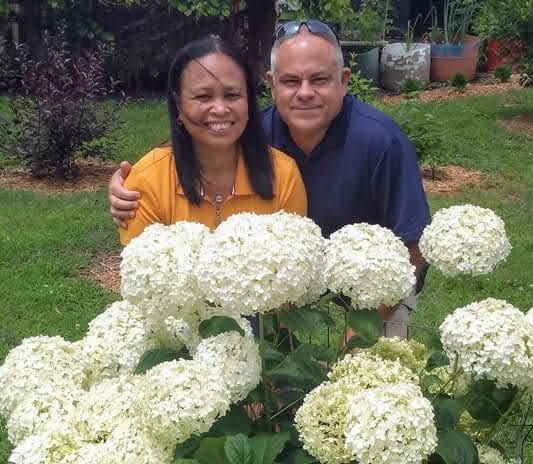
Our hydrangea fertilization guide will help you figure out when to fertilize hydrangeas, what kind of fertilizer to use, and when it’s better to leave the fertilizer bag in the shed.
Hydrangeas can be heavy growers, but that doesn’t mean they need to be fed constantly. In fact, too much fertilizer can give you a beautiful green shrub with plenty of leaves and disappointing flowers.
We’ve seen that firsthand with hydrangeas here at our plant farm in Dallas, Georgia. Good soil, proper sunlight, moisture, pruning, and fertilizer all work together. Fertilizer alone can’t fix everything.
Quick Answer
The best time to fertilize most established hydrangeas is when active growth begins in spring. Additional light feeding may be useful during the growing season depending on the hydrangea, soil fertility, and fertilizer you’re using.
Avoid assuming that more fertilizer means more flowers. Too much nitrogen can encourage leafy growth instead of blooms, and late-season feeding can push tender growth when the plant should be preparing for dormancy.
This hydrangea fertilization guide starts with the most important step: figure out whether your plant actually needs fertilizer.

About Bobby & Lynn

Hydrangea Fertilization Guide Secret #1: Test Before You Feed
One of the easiest mistakes to make is fertilizing a hydrangea simply because spring arrived.
Your soil may already contain plenty of nutrients.
Adding more fertilizer without knowing what’s in the soil can waste money and sometimes create new problems.
Here in Georgia, we also deal with naturally acidic soils and plenty of red clay. What a hydrangea needs in our yard may be completely different from what the same variety needs somewhere else.
A soil test can tell you about pH and important nutrient levels before you start making changes. The Paulding County Extension soil testing guide explains how soil testing can help determine fertilizer and lime needs.
That makes a soil test one of the cheapest gardening tools you can buy.
It can also save you from throwing fertilizer at a problem that fertilizer won’t solve.
Hydrangea Fertilization Guide Secret #2: Spring Is the Time to Start
For most hydrangeas, spring is when feeding makes the most sense.
As the plant comes out of dormancy and begins producing brand new stems and leaves, its demand for nutrients increases.
That does not mean you have to fertilize on one exact calendar date.
We watch the plants.
When the buds are swelling and active growth begins, that tells us more than a date on the calendar.
The University of Georgia Cooperative Extension’s bigleaf hydrangea guide discusses light fertilizer applications during the growing season for bigleaf hydrangeas (Hydrangea macrophylla).
If you prefer looking at hydrangea care as a whole year instead of one job at a time, our 12 Months of Hydrangea Care guide walks through what we watch for from winter dormancy through summer blooms and fall slowdown.
Don’t Rush Dormant Hydrangeas
A bare hydrangea in February doesn’t need fertilizer just because you’re ready for spring.
Wait for the plant and weather to begin moving in that direction.
This matters especially in areas like ours where a warm spell can fool plants into waking up before another late freeze comes along.
Hydrangea Fertilization Guide Secret #3: New Hydrangeas Need Time
A newly planted hydrangea doesn’t necessarily need fertilizer right away.
Its first job is establishing roots.
We would much rather see a newly planted hydrangea settle into its new home, stay properly watered, and begin healthy root growth than force rapid top growth with a heavy dose of fertilizer.
UGA recommends allowing newly planted bigleaf hydrangeas time to become established before fertilizing.
That’s good advice beyond bigleaf hydrangeas too.
When we plant a hydrangea, our priorities are simple:
Make sure it’s planted at the right depth, keep the root ball from drying out, give it suitable sunlight, and let the roots begin moving into the surrounding soil.
Fertilizer comes later if the plant needs it.
New hydrangeas can also dry out much faster than established shrubs. Our guide explaining how much water hydrangeas really need can help you separate a watering problem from a fertilizer problem.
Hydrangea Fertilization Guide Secret #4: More Fertilizer Doesn’t Mean More Blooms
This may be the most important part of our hydrangea fertilization guide.
A hydrangea covered in big green leaves but producing very few flowers does not automatically need more fertilizer.
It may need less.
Nitrogen encourages green growth. That’s important because every plant needs nitrogen, but excessive nitrogen can push foliage growth without giving you the flower show you expected.
The plant may look fantastic right up until you realize there aren’t many blooms.
Before adding more fertilizer to a hydrangea that won’t flower, check the other common causes.
Too much shade can reduce flowering.
Pruning at the wrong time can remove flower buds.
A late spring freeze can damage developing buds.
Bigleaf hydrangeas can lose next year’s flowers when stems formed during last year’s growing season are cut at the wrong time.
And a recently planted hydrangea may simply need time to mature.
If flowers are the problem, our guide to why hydrangeas don’t bloom will help you work through those possibilities before reaching for more fertilizer.
Hydrangea Fertilization Guide Secret #5: Choose Fertilizer for the Plant, Not the Picture on the Bag
Walk through a garden center and you’ll find fertilizer bags promising bigger blooms, brighter flowers, stronger roots, greener leaves, and probably eternal happiness if you look long enough.
Keep it simple.
The three numbers on a fertilizer package represent nitrogen, phosphorus, and potassium, usually called N-P-K.
Nitrogen mainly supports leafy green growth.
Phosphorus plays important roles in root and flower development.
Potassium supports overall plant processes, including water regulation and stress tolerance.
But the perfect fertilizer depends on what your soil already contains.
That brings us right back to soil testing.
The Clemson Cooperative Extension hydrangea care guide also recommends light fertilizer applications for bigleaf hydrangeas during the growing season and stresses watering after fertilizer is applied.
What About Slow-Release Fertilizer?
Slow-release fertilizer can work well for hydrangeas when used according to the label.
One advantage is that nutrients are released over a longer period instead of hitting the plant all at once.
That doesn’t mean you should apply several different fertilizers together.
If you’ve already used a slow-release product designed to feed for several months, adding another fertilizer on top of it may be unnecessary.
Know what you’ve already applied before adding something else.
What About Holly-Tone?
We get this question often.
Holly-Tone can be useful for hydrangeas under the right conditions, but it isn’t something every hydrangea automatically needs.
We covered that subject separately in our guide explaining whether Holly-Tone is good for hydrangeas, including why soil conditions matter before you use it.
And remember: fertilizer designed for acid-loving plants isn’t a magic switch that automatically turns every hydrangea blue.
Flower color is a different discussion involving the type of hydrangea, soil pH, and aluminum availability.
Hydrangea Fertilization Guide Secret #6: Don’t Feed a Stressed Hydrangea Just Because It Looks Bad
This one catches a lot of gardeners.
The leaves start drooping.
Edges turn brown.
Growth slows down.
The plant looks miserable.
So out comes the fertilizer.
But fertilizer isn’t plant medicine.
If a hydrangea is struggling because its roots are dry, the afternoon sun is roasting it, drainage is poor, or the root system was damaged, adding fertilizer may not fix the underlying problem.
During our Georgia summers, heat and moisture are usually much higher on our checklist than fertilizer.
Bigleaf hydrangeas in particular can wilt dramatically during a hot afternoon. Sometimes they’ll recover as temperatures cool.
Before fertilizing a stressed plant, check the soil several inches down.
Look at the sunlight it receives.
Think about recent rainfall.
Check whether it was recently planted.
Then look for insects, leaf disease, root problems, or physical damage.
Our hydrangea fertilization guide rule is simple: diagnose first and fertilize second.
Hydrangea Fertilization Guide Secret #7: Know When to Stop
Hydrangeas don’t need to be pushed into fresh growth all year.
As summer winds down and fall approaches, the plant needs to begin preparing for dormancy.
We avoid late fertilizer applications intended to force soft new growth.
That new growth may not have enough time to harden before cold weather arrives.
This becomes especially important with bigleaf hydrangeas because many begin forming the buds for next year’s flowers during late summer and fall.
Fall is the time to keep plants adequately watered during dry weather, maintain mulch, and allow them to slow down naturally.
It isn’t the time to try to squeeze another growth spurt out of them.
Should You Fertilize Hydrangeas More Than Once?
Sometimes.
But not every hydrangea needs the same feeding schedule.
The University of Georgia Cooperative Extension gives a multiple-application schedule for bigleaf hydrangeas growing under Georgia conditions.
That doesn’t mean every gardener should automatically fertilize every hydrangea three times a year.
An established panicle hydrangea growing vigorously in rich soil may need very little help.
A hydrangea in poor soil may respond differently.
A plant in a container also has a limited volume of soil and may need a different feeding approach from a shrub growing in the landscape.
This is why we don’t like blanket fertilizer rules.
The plant, soil, weather, and growing conditions should be part of the decision.
Should You Fertilize Hydrangeas While They’re Blooming?
You can fertilize some hydrangeas during the growing season, but we wouldn’t feed a plant just because flowers are open.
If your hydrangea is healthy and already blooming well, you may not gain anything by adding more fertilizer.
In our garden, once summer heat becomes intense, watering and keeping the root zone healthy become much more important than trying to force additional growth.
That’s especially true during drought or extreme heat.
Can Fertilizer Change Hydrangea Color?
Not in the simple way many fertilizer packages make it sound.
Blue and pink flower color mainly applies to certain bigleaf and mountain hydrangeas.
Soil pH affects how available aluminum is to the plant, and that influences flower color.
White hydrangeas generally stay white rather than changing blue or pink simply because you change the soil.
Before changing soil pH, test the soil.
Changing pH is much easier when you know where you’re starting.
Signs You May Be Overfertilizing Hydrangeas
A plant doesn’t have to look burned to be overfed.
Watch for excessive soft green growth, unusually long stems, fewer flowers than expected, or fertilizer crust building up around container plants.
Severe overfertilization can damage roots and cause leaf edges to turn brown.
If you’ve already fertilized, resist the temptation to keep adding more because the plant hasn’t responded immediately.
Plants work on plant time. Unfortunately, they haven’t learned to read the instructions on our fertilizer bag.
Our Hydrangea Fertilization Guide for Georgia Red Clay
Georgia red clay changes the way we think about fertilizer.
Clay soil can hold nutrients well, but it can also create drainage problems when the soil has been compacted or poorly prepared.
Adding more fertilizer won’t fix bad drainage.
We pay attention to the whole planting area instead.
A properly planted hydrangea with good moisture, a healthy root system, suitable sunlight, and a protective mulch layer has a much better foundation than one getting repeated doses of fertilizer in a bad location.
That’s why our hydrangea fertilization guide starts with soil and ends with fertilizer instead of the other way around.
The Biggest Fertilizer Mistake We See
The biggest mistake may simply be expecting fertilizer to solve every hydrangea problem.
It can’t.
If you have a hydrangea that won’t bloom, first figure out what type of hydrangea you have.
Then consider pruning history, sunlight, winter and spring weather, water, and the age of the plant.
After that, look at nutrition.
That order can save you a whole lot of fertilizer and frustration.
Final Thoughts
A good hydrangea fertilization guide shouldn’t tell you to dump fertilizer around every hydrangea on a fixed schedule.
It should help you decide whether the plant needs feeding in the first place.
Start with the soil.
Feed during active growth when needed.
Use fertilizer lightly.
Avoid excessive nitrogen.
Don’t push stressed plants.
And let hydrangeas slow down naturally as the season ends.
We’ve found that hydrangeas usually do better when we give them what they need instead of trying to make them grow faster than they want to.
If you’ve got hydrangeas in your yard, come follow Bobby & Lynn’s Plant Farm on Facebook. We share what we’re seeing in our own hydrangeas throughout the growing season, including pruning, blooms, heat stress, watering, and the occasional plant that decides to keep us humble.
Discover more from Bobby and Lynn’s Plant Farm
Subscribe to get the latest posts sent to your email.