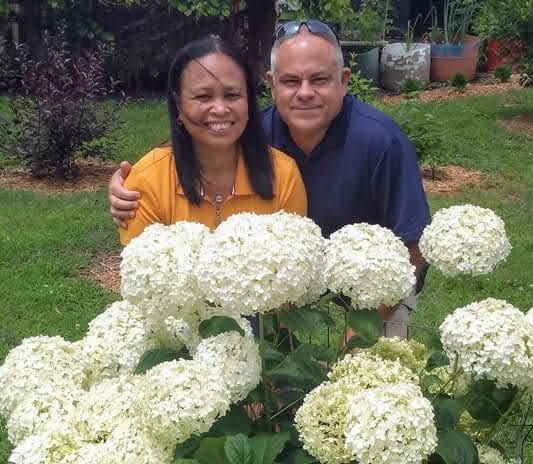
Growing hydrangeas in Georgia can be incredibly rewarding, but our hot summers, heavy clay soil, unpredictable spring freezes, and intense afternoon sun can create a few challenges. With the right variety, location, moisture, and pruning routine, hydrangeas can grow beautifully and bloom reliably across much of the state.
They can also be a little dramatic.
A hydrangea may look beautiful in the morning and droop like it has given up by late afternoon. One year it may be covered in blooms, while the next year it produces a large green bush with hardly a flower in sight.
Fortunately, most struggling hydrangeas aren’t ruined. They usually need a better combination of sunlight, moisture, drainage, pruning, and protection from Georgia’s intense summer heat.
This guide explains how to grow healthy hydrangeas in Georgia without making the process more complicated than it needs to be.
Quick Answer: Hydrangeas can grow very well in Georgia when they’re planted in the right location. Most do best with morning sun, afternoon shade, moist but well-drained soil, and protection from the hottest part of the day. Choosing the right hydrangea type and knowing whether it blooms on old wood or new wood will also help you avoid common pruning and flowering problems.
About Bobby & Lynn

Are Hydrangeas Easy to Grow in Georgia?
Hydrangeas can grow very well in Georgia, but success depends heavily on choosing the right variety and planting it in the right location.
Georgia’s climate gives hydrangeas a long growing season, but it also presents a few challenges:
- Hot afternoon sun
- High humidity
- Periods of drought
- Heavy clay soil
- Sudden late-winter or spring freezes
- Reflected heat from buildings and pavement
A hydrangea planted in the wrong place may need constant attention. The same plant in a more suitable location may grow beautifully with far less work.
Before worrying about fertilizer or pruning, start by identifying which type of hydrangea you have.
Best Types of Hydrangeas for Georgia
Not all hydrangeas grow, bloom, or respond to pruning in the same way. Some tolerate more sun, while others need afternoon shade. Some bloom on old stems, while others bloom on new growth.
The four types most commonly grown in Georgia are bigleaf, oakleaf, smooth, and panicle hydrangeas.


Bigleaf Hydrangeas
Bigleaf hydrangeas are the classic blue, pink, or purple mophead and lacecap varieties many gardeners picture when they hear the word “hydrangea.”
They usually perform best with:
- Morning sunlight
- Afternoon shade
- Consistent moisture
- Protection from intense heat
Many traditional bigleaf hydrangeas produce flowers on old wood, which means their flower buds develop on stems grown during the previous season. Pruning them at the wrong time can remove the following year’s blooms.
Some newer reblooming varieties can flower on both old and new wood, making them a little more forgiving.
Oakleaf Hydrangeas
Oakleaf hydrangeas are native to the southeastern United States and are an excellent choice for Georgia landscapes.
They produce:
- Large oak-shaped leaves
- Cone-shaped white flowers
- Attractive peeling bark
- Rich red, bronze, or purple fall color
Oakleaf hydrangeas work especially well in woodland gardens, natural areas, and locations with filtered sunlight. They generally bloom on old wood, so heavy pruning should be done soon after flowering.
Smooth Hydrangeas
Smooth hydrangeas, including popular varieties such as Annabelle, produce large rounded blooms on new growth.
Because they bloom on new wood, they can usually be pruned in late winter or early spring without sacrificing that year’s flowers.
Smooth hydrangeas generally prefer part sun or morning sun in Georgia. They may struggle in harsh afternoon sunlight unless they receive plenty of water.
Panicle Hydrangeas
Panicle hydrangeas are among the most dependable choices for sunny Georgia landscapes.
Popular varieties include:
- Limelight
- Little Lime
- Phantom
- Quick Fire
- Strawberry Sundae
- Pink Diamond
Panicle hydrangeas tolerate more sunlight than most bigleaf, smooth, or oakleaf varieties. They also bloom on new wood, which makes pruning easier.
Although panicle hydrangeas can handle more sun, newly planted shrubs still need consistent moisture during Georgia’s hottest months. Even established plants may appreciate some late-afternoon protection in extremely hot locations.
How Much Sun Do Hydrangeas Need in Georgia?
The best amount of sunlight depends on the hydrangea variety, the condition of the soil, and the intensity of the afternoon heat.
For many hydrangeas in Georgia, the ideal location receives morning sunlight followed by shade or filtered light during the hottest part of the afternoon.
A spot that receives sunlight from early morning until noon may be perfect. A location exposed to direct sun from 1:00 until 6:00 in July and August may be far more difficult.
Sunlight Recommendations by Hydrangea Type
Bigleaf hydrangeas: Morning sun and afternoon shade are usually best.
Oakleaf hydrangeas: Part shade, filtered sun, or morning sun generally works well.
Smooth hydrangeas: Morning sun or part sun is usually safest.
Panicle hydrangeas: These can tolerate more direct sun but still need adequate moisture.
The more sunlight a hydrangea receives, the more important deep watering, healthy soil, and mulch become.
Remember that “full sun” on a plant tag doesn’t always account for the intensity of a Georgia summer. Six hours of gentle morning sun is very different from six hours of blazing afternoon sun beside a driveway or brick wall.
Why Hydrangeas Wilt in the Afternoon
Hydrangeas are famous for wilting during hot afternoons, particularly bigleaf varieties with large leaves.
This can be alarming, but temporary afternoon drooping doesn’t always mean the plant needs more water.
Large hydrangea leaves lose moisture quickly in heat and direct sun. Sometimes the roots cannot replace that moisture as quickly as the leaves are losing it, so the plant droops temporarily.
Check the hydrangea again after sunset or early the next morning. If it has recovered by evening or the next morning, the plant was probably reacting to heat. If it remains wilted the next morning, check the soil because it may need water.
Avoid automatically watering every time a hydrangea droops at 3:00 in the afternoon. Constant watering in poorly drained soil can suffocate the roots and create more serious problems.
How Often Should You Water Hydrangeas in Georgia?
Hydrangeas need consistent moisture, especially during their first growing season. However, consistent moisture doesn’t mean giving the plant a small amount of water every day.
Deep watering encourages roots to grow farther into the surrounding soil, helping the plant become stronger and more drought tolerant over time.
Newly Planted Hydrangeas
Check newly planted hydrangeas frequently during their first year.
During hot or dry weather, they may need deep watering two or three times per week. Plants in full or partial sun may require more attention than those in sheltered locations.
Always check the soil before watering. The top of the soil may look dry while the area around the roots is still moist.
Established Hydrangeas
Established hydrangeas are generally more resilient, but they may still need supplemental water during extended dry periods.
Water deeply when the soil several inches below the surface feels dry. A slow soak at the base is much more helpful than briefly spraying the leaves and surface soil.
Hydrangeas in Containers
Growing hydrangeas in pots takes a little more planning because containers dry out faster and heat up quickly during Georgia summers. For more help choosing the right pot, soil, and plants, visit our guide to growing flowering shrubs in containers.
During Georgia summer heat, containers may need to be checked every day. Small pots, dark-colored containers, and plants sitting on concrete or pavement can dry out especially quickly.
Make sure every container has drainage holes. Hydrangeas need moisture, but they shouldn’t remain in standing water.
Best Time to Water Hydrangeas
Morning is usually the best time to water hydrangeas.
Morning watering allows the plant to take up moisture before the hottest part of the day. It also gives any wet foliage time to dry, which may reduce the likelihood of fungal problems.
Apply water near the base of the plant rather than repeatedly soaking the leaves.
A soaker hose, drip line, or hose set to a gentle trickle can deliver water slowly enough to soak into the root zone.
Best Soil for Hydrangeas in Georgia
Hydrangeas grow best in soil that is rich in organic matter, holds consistent moisture, and still drains well.
That can be challenging in Georgia, where many yards contain heavy red clay. Clay soil can hold nutrients and moisture, but compacted clay may drain slowly and limit root growth.
Once clay becomes extremely dry, it may also shed water at first rather than absorbing it evenly.
How to Plant Hydrangeas in Clay Soil
Dig a planting area wider than the root ball rather than making a deep, narrow hole.
Loosen the surrounding soil so new roots can spread beyond the original root ball. Compost or well-decomposed organic matter can help improve soil structure, but it should be blended with the existing soil rather than used to completely replace it.
Avoid creating a soft pocket of amended soil surrounded by solid clay. That can allow water to collect around the root ball like water in a bowl.
The top of the root ball should sit level with, or slightly above, the surrounding soil. Planting too deeply can contribute to poor growth and root problems.
Should You Mulch Hydrangeas?
Mulch is one of the most helpful things you can add around a hydrangea in Georgia.
A two- to three-inch layer of mulch can:
- Keep the root zone cooler
- Reduce moisture loss
- Suppress weeds
- Protect the soil from temperature swings
- Add organic matter as it breaks down
Spread the mulch across the root area, but don’t pile it against the stems or crown of the plant. Leave a few inches of open space around the base.
Mulch piled directly against the stems can hold too much moisture and encourage rot, insects, or disease.
When to Fertilize Hydrangeas in Georgia
Hydrangeas generally don’t need constant feeding.
For many plants, one light application of a slow-release fertilizer in spring is enough. Compost spread around the root zone may also provide gradual nutrients while improving the soil.
Avoid assuming that every struggling hydrangea needs fertilizer. Overfertilizing can produce a large amount of soft green growth with very few flowers.
Hydrangeas usually don’t need heavy feeding. Fertilizer needs can vary with the hydrangea type, soil fertility, and how the plant is growing, so we prefer to start with a soil test rather than automatically adding more fertilizer. Too much nitrogen can produce a large, leafy plant with fewer flowers.
Too much nitrogen is a common reason a hydrangea becomes large and leafy without blooming well.
Avoid heavy fertilization late in the growing season. Tender new growth produced late in the year may be more vulnerable to cold damage.
A soil test is the best way to determine whether the soil actually needs additional nutrients or a pH adjustment.
When to Prune Hydrangeas in Georgia
Pruning is one of the most common reasons hydrangeas fail to bloom.
The correct time to prune depends on whether the plant flowers on old wood or new wood.
Hydrangeas That Bloom on Old Wood
Old wood hydrangeas form their flower buds on stems produced during the previous growing season.
These generally include:
- Bigleaf hydrangeas
- Oakleaf hydrangeas
- Mountain hydrangeas
- Climbing hydrangeas
Prune these plants shortly after they finish blooming. Waiting until fall, winter, or early spring may result in cutting away the buds for the next flowering season.
Hydrangeas That Bloom on New Wood
New wood hydrangeas produce flowers on fresh growth that develops during the current season.
These generally include:
- Panicle hydrangeas
- Smooth hydrangeas
They can usually be pruned in late winter or early spring before vigorous new growth begins.
What to Do When You Don’t Know the Variety
When you’re unsure which type of hydrangea you have, prune cautiously.
Remove only:
- Dead stems
- Broken branches
- Diseased growth
- Weak or crossing branches
- Old flowers, when desired
Avoid cutting the entire shrub back until you know whether it blooms on old or new wood. Because pruning times vary by hydrangea type, UGA Extension recommends identifying whether your plant blooms on old or new wood before cutting it back.
Why Isn’t My Hydrangea Blooming?
A hydrangea that grows plenty of leaves but produces few or no flowers can be frustrating.
The most common causes include:
Pruning at the Wrong Time
Pruning a bigleaf or oakleaf hydrangea during fall, winter, or early spring may remove the flower buds before they have a chance to open.
Late Freeze Damage
Georgia often experiences warm late-winter weather followed by a sudden freeze.
Warm temperatures may cause old-wood flower buds to begin developing. A later cold snap can damage those buds even when the stems and leaves survive.
Too Much Shade
Hydrangeas appreciate protection from intense afternoon sun, but deep shade can reduce flowering.
A plant may look healthy and produce plenty of foliage while receiving too little light to bloom well.
Too Much Nitrogen
Lawn fertilizer spread near a hydrangea can encourage excessive leafy growth at the expense of flowers.
This is particularly common when shrubs are planted near fertilized turf.
A Newly Planted or Stressed Hydrangea
Recently planted hydrangeas may spend their first season developing roots instead of producing a large flower display.
Drought, transplant shock, root damage, poor drainage, or severe heat can also reduce flowering.
The Wrong Variety for the Location
A bigleaf hydrangea planted in harsh afternoon sun may spend most of its energy surviving heat stress. A hydrangea planted in deep shade may grow but bloom poorly.
Sometimes relocating the plant is more effective than repeatedly trying to correct problems in an unsuitable spot.
Can You Change Hydrangea Color in Georgia?
The flower color of some bigleaf and mountain hydrangeas can be influenced by soil chemistry and the availability of aluminum.
Generally:
- More acidic soil with available aluminum encourages blue flowers.
- Less acidic soil tends to encourage pink flowers.
- Intermediate conditions may produce purple or mixed colors.
However, not every hydrangea changes color.
White hydrangeas generally remain white. Panicle hydrangeas such as Limelight, Phantom, Little Lime, and Quick Fire don’t turn blue or pink because of soil pH. Their flowers change color naturally as they mature.
Before applying products to change bloom color, have the soil tested through your local UGA Extension office. A soil test can show the current pH and whether lime, sulfur, aluminum sulfate, or another amendment is actually needed. Randomly adding products without testing can damage roots or create nutrient imbalances.
Have your soil tested through UGA Extension before making major changes.
Color changes may also take an entire growing season or longer to become noticeable.
Best Place to Plant Hydrangeas in a Georgia Yard
For many hydrangeas, the ideal Georgia planting location offers:
- Morning sun
- Afternoon shade
- Good air circulation
- Consistent soil moisture
- Protection from reflected heat
- Well-drained soil
- Enough room for the mature plant
Avoid placing hydrangeas directly under large trees. Tree roots may compete aggressively for water and nutrients, leaving the hydrangea constantly dry and stressed.
Also avoid low areas where water remains after heavy rain. Hydrangeas enjoy moist soil, but their roots still need oxygen.
Pay attention to heat reflected from:
- Brick walls
- House siding
- Concrete patios
- Driveways
- Gravel
- Retaining walls
A location beside a hot wall may be much more stressful than another area receiving the same number of sunlight hours.
How Far From the House Should You Plant a Hydrangea?
Check the plant’s expected mature width before deciding how close to place it near a building.
A small hydrangea may eventually grow several feet wide. Planting too close to the house can restrict air movement, make pruning difficult, and cause branches to press against siding or windows.
As a general rule, place the center of the plant at least half its mature width away from the structure, and allow additional room when possible.
For example, a hydrangea expected to grow six feet wide should usually be planted at least three feet from the wall, though four feet may provide better long-term spacing.
Common Hydrangea Problems in Georgia
Georgia’s heat and humidity can contribute to several common hydrangea problems.
Brown or Crispy Leaf Edges
Possible causes include:
- Afternoon sun
- Drought stress
- Reflected heat
- Wind exposure
- Fertilizer burn
- Root damage
Check the soil moisture and growing conditions before assuming the plant has a disease.
Black or Brown Leaf Spots
Leaf spots are common during humid weather.
Improve air circulation, avoid unnecessary overhead watering, and clean up heavily affected fallen leaves. Mild spotting is often more cosmetic than dangerous.
Powdery Mildew
Powdery mildew may appear as a white or gray coating on the leaves.
Crowded growth, poor airflow, shade, and humid conditions can make it more likely. Improve spacing and water near the soil rather than regularly wetting the foliage.
Yellow Leaves
Yellowing may be caused by:
- Overwatering
- Poor drainage
- Nutrient deficiencies
- Root stress
- Naturally aging leaves
Yellow leaves combined with constantly wet soil may point to drainage problems. Yellow leaves with green veins can sometimes indicate that nutrients are present but unavailable because of the soil pH.
Few Flowers and Excessive Green Growth
This often points to:
- Too much nitrogen
- Incorrect pruning
- Too much shade
- Winter bud damage
- An immature or recently transplanted plant
Root Rot
Hydrangeas growing in poorly drained soil may develop root rot.
Symptoms can include persistent wilting, yellow leaves, dark stems near the soil, and declining growth even though the soil remains wet.
Improving drainage before planting is far easier than trying to rescue a severely damaged plant later.
Seasonal Hydrangea Care in Georgia
Spring
- Remove dead or damaged wood.
- Prune panicle and smooth hydrangeas before active growth.
- Apply a light fertilizer if needed.
- Refresh the mulch.
- Begin checking soil moisture as temperatures rise.
- Protect emerging growth when a late freeze is expected.
Summer
- Water deeply during dry periods.
- Check newly planted and container-grown hydrangeas frequently.
- Watch for heat stress and leaf scorch.
- Prune old-wood hydrangeas shortly after flowering, when needed.
- Avoid heavy fertilizer applications.
- Keep mulch away from the stems.
Fall
- Continue watering during dry weather.
- Avoid heavy pruning of old-wood hydrangeas.
- Stop fertilizing early enough for new growth to harden before winter.
- Add mulch if the existing layer has become thin.
- Enjoy the changing bloom colors and fall foliage.
Winter
- Avoid cutting back bigleaf and oakleaf hydrangeas.
- Prune panicle and smooth varieties in late winter if desired.
- Protect young plants during unusually severe cold.
- Check containers occasionally so the soil doesn’t remain completely dry.
A Simple Georgia Hydrangea Care Checklist
For healthier hydrangeas and better blooms:
- Identify your hydrangea variety.
- Choose a location that matches its sunlight needs.
- Protect shade-loving varieties from harsh afternoon sun.
- Water deeply instead of giving frequent shallow sprinkles.
- Check the soil before reacting to afternoon wilting.
- Add two to three inches of mulch.
- Keep mulch away from the stems.
- Avoid excessive nitrogen fertilizer.
- Prune only after learning whether the plant blooms on old or new wood.
- Allow enough spacing for good airflow.
- Watch for reflected heat and poor drainage.
- Protect developing buds from sudden late freezes when possible.
What We Have Learned Growing Hydrangeas in Georgia
At Bobby & Lynn’s Plant Farm in Dallas, Georgia, we have found that location makes a bigger difference than almost anything else.
Bigleaf hydrangeas usually perform best with morning sun and protection from intense afternoon heat. Panicle hydrangeas generally tolerate more direct sun, but even they need dependable moisture while becoming established.
We also see many problems caused by heavy clay soil, reflected heat from driveways and brick walls, and watering too often without checking the root zone first. A hydrangea may wilt from heat, dry soil, or damaged roots, so the soil should always be checked before adding more water.
Final Thoughts on Growing Hydrangeas in Georgia
Hydrangeas can grow beautifully in Georgia, but they need care that matches our climate.
The heat is real. The humidity is real. The red clay is real. Late freezes, summer droughts, and intense afternoon sunlight can all make hydrangeas appear more difficult than they actually are.
The key is to start with the basics.
Know what type of hydrangea you have. Give it the appropriate amount of sunlight. Keep the soil consistently moist but not waterlogged. Mulch the root zone, avoid unnecessary fertilizer, and don’t prune until you know whether the plant blooms on old wood or new wood.
Once those details are right, hydrangeas become much easier to understand.
They may still droop during a hot Georgia afternoon. They may still look dramatic during a summer heat wave. Most of the time, however, they’re tougher than they appear.
With the right location and a little patience, your hydrangeas can reward you with healthy growth, beautiful flowers, and that classic Southern garden appearance year after year.
Explore More Plants for Georgia Landscapes
Want to compare different hydrangea varieties and other flowering shrubs?
Visit our Plant Directory to learn more about the plants we grow, including sunlight needs, bloom times, mature sizes, pruning information, and other helpful details.
You can also explore our Free Garden Downloads for printable guides, planting worksheets, pruning checklists, watering schedules, and other resources designed to make plant care easier.
Need More Hydrangea Help?
Still trying to figure out why your hydrangea isn’t blooming, why its leaves are turning brown, or when it should be pruned?
Visit our Hydrangea Help page for practical guides covering:
- Hydrangea pruning
- Watering and wilting
- Blooming problems
- Brown leaves and flowers
- Fertilizing
- Hydrangea identification
- Sunlight and planting locations
- Common pests and diseases
Whether you’re trying to identify your hydrangea or solve a specific problem, we’ll help you find the right information without making things more complicated than they need to be.
Visit the Hydrangea Help page →
Discover more from Bobby and Lynn’s Plant Farm
Subscribe to get the latest posts sent to your email.